
Best Waist Trainer for Weight Training Men — Core Support for Heavy Lifts
Best Waist Trainer for Weight Training Men — Heavy Lifts vs Light Training vs Cardio Sweat
A neoprene belt for heavy squats, a breathable polyester belt for circuits, and a flexible steel-boned sweat belt for cardio — match your belt to your workout.
Quick Answer
WaistSculpt's best waist trainer for weight training is the Neoprene Waist Trimmer Belt — firm 100% neoprene compression with a Velcro closure that locks your core during heavy squats and deadlifts. For lighter circuits and daily training, the Adjustable Compression Waist Trimmer Belt uses breathable polyester/spandex. For cardio days, the Steel Boned Sweat Belt has 7 flexible spiral steel bones and heat-silver fabric — max sweat, light support, not for heavy lifts.
What's the best belt for heavy squats and deadlifts?
The Neoprene Waist Trimmer Belt — firm compression, Velcro lock, built for big frames.
What's the most breathable belt for circuits and daily training?
The Adjustable Compression Waist Trimmer — polyester/spandex, Velcro, lightweight.
What's the best belt for cardio sweat — not heavy lifts?
The Steel Boned Sweat Belt — 7 flexible steel bones, heat-silver fabric, cardio only.
Why a Waist Trainer Works for Weight Training
Three belts. Three training goals. Match your workout to the right tool.
Compare the Top 3 Waist Trainers for Weight Training
From heavy squats to cardio sweat sessions — find the right belt for your workout.
← Swipe to compare →
| YOUR NEED |
HEAVY LIFTS NEOPRENE TRIMMER |
LIGHTWEIGHT TRAINER POLYESTER TRIMMER |
CARDIO SWEAT STEEL BONED SWEAT |
|---|---|---|---|
| WAIST TRAINER | 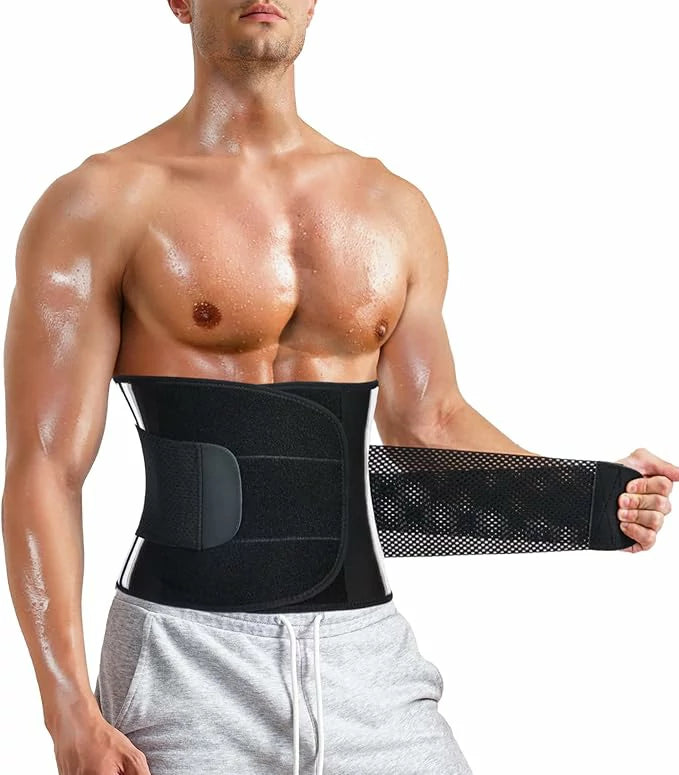 |
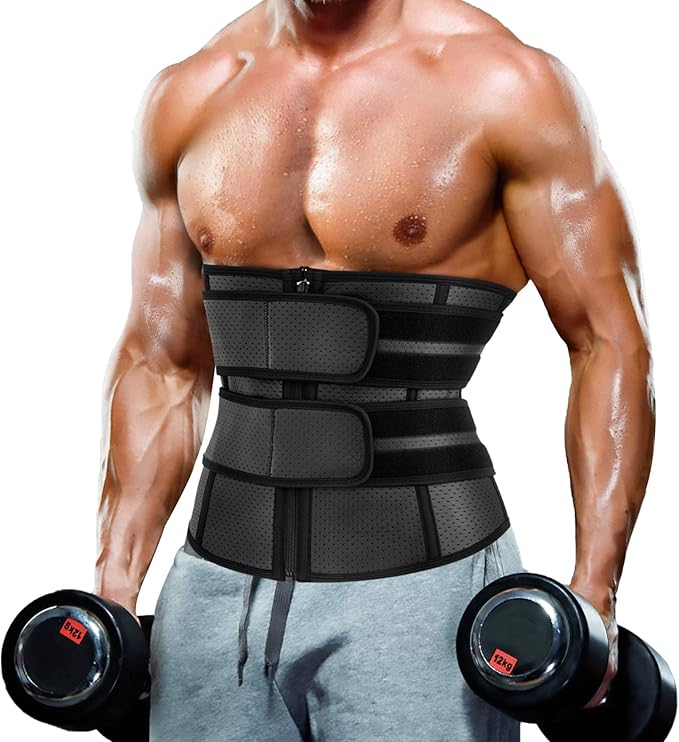 |
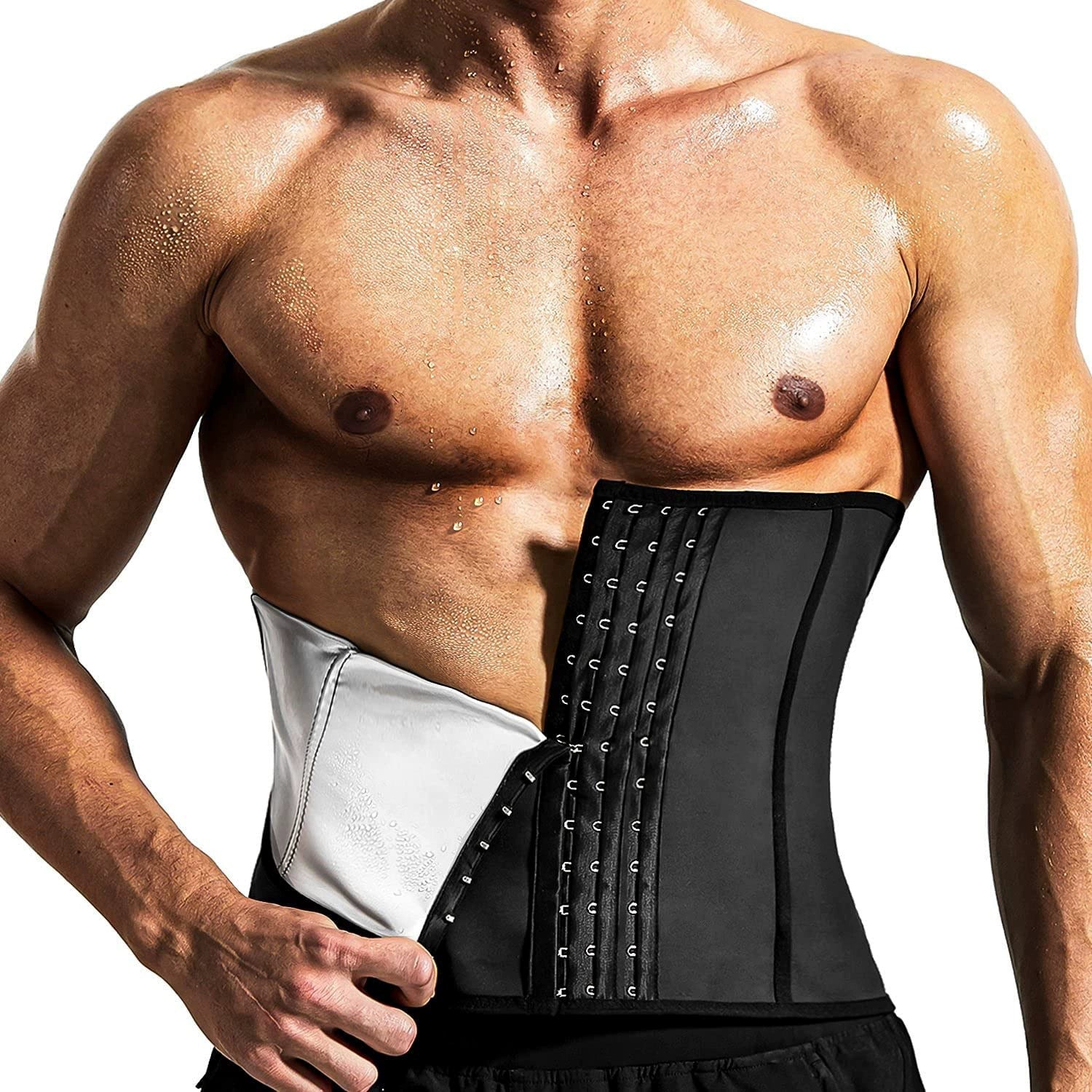 |
| BEST FOR | Heavy squats and deadlifts — want neoprene compression that locks your core without shifting | Lightweight training — want a breathable polyester belt for circuits and moderate lifts | Cardio and sweat sessions — want light steel-boned support plus maximum sweat output |
| WEAR IT FOR | Heavy sets, PR attempts — firm neoprene hold for max effort | Circuits, daily workouts — breathable, adjusts in seconds | HIIT, conditioning — light support, max sweat |
| WHY | Neoprene + Velcro — firm compression for heavy lifts, no shifting. | Polyester/spandex + Velcro — lightweight, breathable, quality build. | 7 flexible steel bones + heat-silver — max sweat, light support. |
| View Neoprene Waist Trimmer → | View Waist Trimmer Belt → | View Steel Boned Sweat Belt → |
What Lifters Notice First
"I'm 6'3 and needed a belt that wouldn't shift during squats. The Neoprene Waist Trimmer wraps tight and stays put — no rolling, no readjusting between sets."
Real Feedback From Lifters Who Found Their Training Belt
Three lifters. Three different training styles. Three honest takes.
← Swipe to see all reviews →


What Not to Wear — and What to Choose Instead
Elastic wraps provide zero structural support — they stretch under load and do nothing for your spine. A neoprene waist trimmer with a firm Velcro closure actually locks your core during heavy reps.
Sweat belts use flexible spiral steel bones built for movement — not rigid bracing. They are for cardio and HIIT, not for maxing out. For heavy lifts, use a neoprene belt with a firm Velcro closure.
One belt cannot excel at everything. A neoprene belt for heavy lifts. A polyester belt for circuits. A sweat belt for cardio. Three tools, three jobs — use the right one for your workout.
If you compete in powerlifting and need a belt that meets federation specifications, a competition-grade lever belt is the right tool. The belts on this page are for lifters who want core tightening and support during training — not for competition maxes.
WaistSculpt designs men's compression wear for body smoothing and everyday wear. Independently reviewed.
Top 3 Waist Trainers for Weight Training Compared
← Swipe to see all products →
Men's Neoprene Waist Trimmer Belt
100% Neoprene. Velcro closure locks your core during heavy squats and deadlifts. Built for big frames — won't shift under load.
View Neoprene Waist Trimmer →
Men's Adjustable Compression Waist Trimmer Belt
90% Polyester / 10% Spandex. Velcro closure adjusts in seconds. Breathable, lightweight — tightens your core without heavy neoprene bulk.
View Waist Trimmer Belt →
Men's Steel Boned Sweat Belt with Heat-Silver Polymer
Heat-Silver Polymer fabric, non-neoprene. 7 flexible spiral steel bones + 4-row tactical fastening. Light support for cardio and HIIT — not for heavy deadlifts.
View Steel Boned Sweat Belt →See the Core Support a Waist Trainer Gives You During Training
Demonstration images showing garment effect during wear. Individual results vary depending on body composition, skin elasticity, and garment sizing. Same person, same lighting, same angles.

Before & After — Dressed Comparison
Result: Core visibly tightened — ready for your working sets

Dressed vs Undressed
Result: Smooth, invisible shaping under a dress shirt
Weight Training Waist Trainer Questions — Answered
Real questions from lifters who want core support without the bulk of a powerlifting belt.
Which One to Choose
Q: What's the best neoprene waist trainer for heavy squats and deadlifts?
Q: What's the difference between a neoprene belt and a polyester/spandex one for the gym?
Q: Is a steel-boned sweat belt strong enough for heavy deadlifts or just cardio?
Fit & Comfort
Q: Will a neoprene waist trimmer stay in place during heavy lifts — or will it roll up?
Q: Can I wear a sweat belt for weight training or should I stick to a dedicated core trainer?
Q: What's the difference between a waist trimmer for training and one for everyday wear?
Q: How do I know if I need a neoprene belt, a lightweight belt, or a sweat belt?
Unsure about your size? Check our Size Guide before ordering. Most returns come from ordering too small — measure your waist at the navel and match to the chart.
What Compression Can — and Cannot — Do
Compression Can Help With
- Lock your core during heavy squats and deadlifts
- Provide breathable support for circuits and daily training
- Boost sweat output during cardio and HIIT sessions
- Stay in place without rolling during dynamic movements
Compression Cannot
- Permanently tighten or restore skin elasticity
- Replace surgical or medical skin removal procedures
- Burn fat or reduce body weight while worn
- Work identically for all body types and skin conditions
Why We Wrote This
"Every belt I've tried for the gym either rolls up during squats, makes me overheat, or is too flimsy to actually support my core. Is there something that actually works?" We hear this from lifters who need real support that matches their training style. We wrote this guide to match you to the right belt — neoprene for heavy lifts, polyester for circuits, and a sweat belt for cardio days.
Find Your Training Belt
Neoprene for heavy lifts. Polyester for circuits. Sweat belt for cardio. Pick the tool that matches your workout.
Explore Men's Waist Trainers


Explore All Compression Guides
Browse All Compression Guides →Alex Chen, Founder | Updated August 2026
Compression garments are fitness and posture aids, not medical devices.
Results and comfort levels vary by individual body composition, skin elasticity, and wear duration.