
Best Waist Trainer for Men Complete Guide
Best picks for daily wear, office, training, and formal events.
Find Your Starting PointQuick Answer
WaistSculpt's best waist trainers for men cover daily wear, office, training, and formal events. Start with our top picks matched to your body and scene — the right belt flattens your stomach and stays put all day.
Need a waist trainer for everyday wear?
Start with our top pick for daily wear — invisible under clothes, stays flat all day.
Training and heavy lifting?
Match the structure to your workout — steel bones for heavy lifts, flexible bones for HIIT.
Not sure which one to buy?
Use our Complete Buying Guide — answer three questions and find your match.
This Month's Top Pick

Best Waist Trainer for Everyday Wear Under Clothes
The best waist trainer for daily wear — seamless, invisible under any shirt, and stays flat from morning to night. The right pick if you want a flatter stomach without anyone knowing.
Read the Guide →Find Your Starting Point
🎯 Top Picks & Buying Guides
🎯 Best Waist Trainer for Men — Top Picks for Every Goal
🧭 Which Waist Trainer Should I Buy — Complete Buying Guide
🆕 New Guides — Velcro, Cincher & Neoprene Trimmer
🔧 Best Velcro Waist Trainer for Men Easy Adjust
🎯 Best Men's Waist Cincher
🔥 Best Neoprene Waist Trimmer for Men
👔 Best for Daily Wear & Office
Best Waist Trainer for Everyday Wear Under Clothes
Best Non-Neoprene Waist Trainer for Office No Smell All Day
Best Waist Trainer for Weddings and Formal Events
Best Waist Trainer That Doesn't Roll Down
💪 Best by Body Type
Best Waist Trainer for Love Handles
Best Waist Trainer for Lower Belly Pooch
Best Waist Trainer for Dad Bod
Best Waist Trainer for Big and Tall Men
Best Steel-Boned Waist Trainer for Men
🏋️ Best for Training & Gym
Best Waist Trainer for Beginners
Best Waist Trainer for Weight Training
Best Workout Waist Trainer for the Gym
⚖️ Comparisons & Decision Guides
Waist Trainer vs Compression Shirt: Which to Buy?
Neoprene vs Steel-Boned Waist Trainer
Men's Waist Trainer vs Lifting Belt
Men's Waist Trainer Comparison Guide
📚 Learn the Basics — Safety, Sizing & Care
Stop Buying the Wrong Workout Waist Trainer
Is It Safe to Wear a Waist Trainer While Working Out?
Waist Trainer Safety & Usage Guide
Men's Workout Waist Trainer Size Guide
Can You Wear a Waist Trainer Under Your Clothes?
How to Use a Men's Waist Trainer
How to Clean a Men's Waist Trainer
Your First 30 Days of Waist Training: What to Actually Expect


Which Waist Trainer Type Works Best for Your Training
Compare the three core options — from flexible Neoprene to rigid steel-boned — and find your match.
← Swipe to compare all options →
| YOUR TRAINING |
DYNAMIC WAIST TRIMMER BELT |
HEAVY & FORMAL LATEX WAIST TRAINER |
MIXED WAIST TRAINER CORSET |
|---|---|---|---|
| BEST FOR |
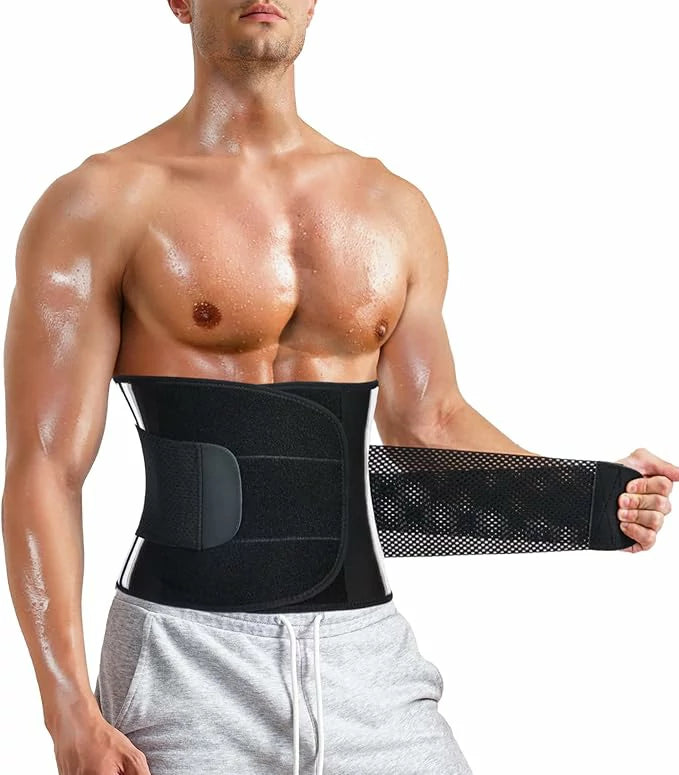 HIIT, cardio, circuit training — dynamic multi-directional movement |
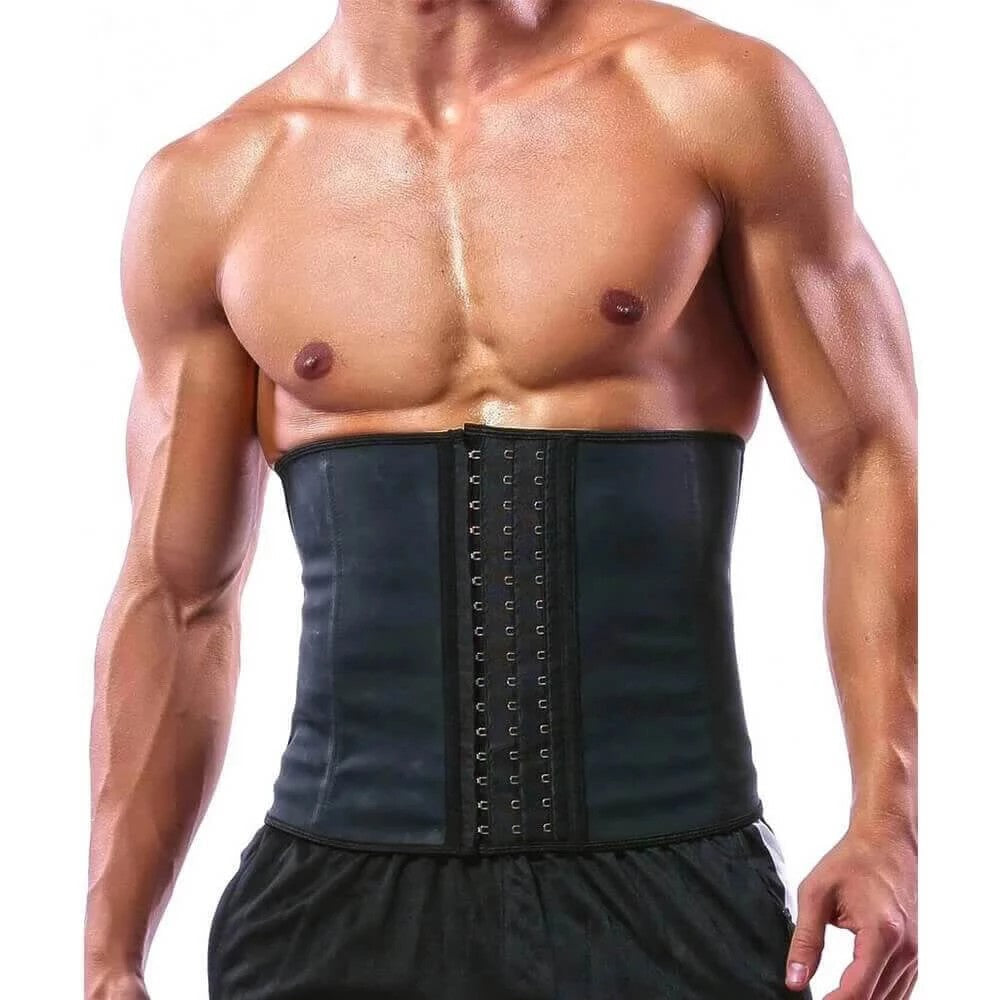 Heavy squats, deadlifts, formal events — unyielding compression |
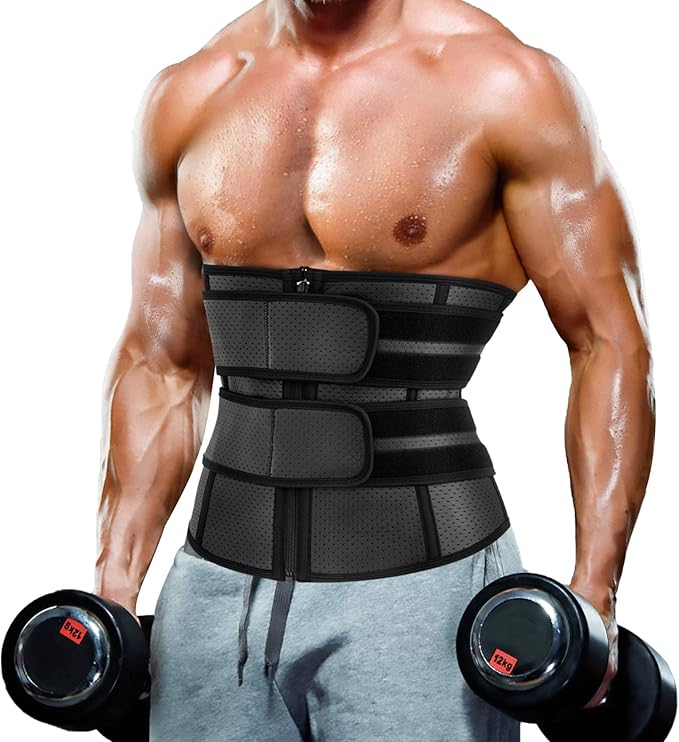 Mixed training, gym sessions — balanced flexibility and support |
| STRUCTURE | Velcro Closure + 100% Neoprene — flexes with movement, breathable | 9× Memory Steel Bones + Natural Latex — rigid lock, maximum hold | 5× Flexible Polymer Bones + Hooks + Zipper + Dual Belts — bends with squats, resists folding |
| WHY | 100% Neoprene + Velcro Closure. Flexes with dynamic movement without the rigidity of steel. | Natural Latex + 9 Memory Steel Bones. Unyielding compression locks posture for heavy lifts and formal shaping. | 90/10 Poly/Spandex + 5 Flexible Polymer Bones + Hooks + Zipper + Dual Belts. Balanced support bends with squats without folding during burpees. |
| View Waist Trimmer Belt → | View Latex Waist Trainer → | View Waist Trainer Corset → |
What Men Tell Us About Trying a Waist Trainer for the First Time
"Based on recurring customer feedback: men trying a waist trainer for the first time are often surprised by two things — how much core support they feel during squats and deadlifts, and how important it is to match the structure to the training type. The #1 insight from thousands of support interactions: identify your primary workout before choosing a belt. Steel bones for heavy lifts. Flexible steel bones for HIIT. Breathable knit for desk work. Match the tool to the movement, wear your true size, and waist trainers are safe, effective training companions."
Real Reviews from Real Customers
What guys actually say after trying WaistSculpt waist trainers for their workouts.
← Swipe to see all reviews →


Frequently Asked Questions About Waist Trainers
Quick answers to the most common questions — full guides linked in each answer.
Getting Started
Q: What is a workout waist trainer for men?
Q: How do I choose the right waist trainer for my workout?
Q: Is it safe to wear a waist trainer while working out?
Sizing & Daily Use
Q: What size waist trainer should I get?
Q: Can I wear a waist trainer under my clothes?
Comparisons
Q: What is the difference between Neoprene and steel-boned waist trainers?
Q: Is a waist trainer the same as a compression shirt?
What Waist Trainers Can — and Cannot — Do
Waist Trainers Can Help With
- Providing core support during heavy lifts
- Locking your fit during HIIT and rapid movement
- Improving posture awareness during workouts
- Offering all-day lower back support with breathable designs
Waist Trainers Cannot
- Permanently tighten or restore skin elasticity
- Replace surgical or medical skin removal procedures
- Burn fat or reduce body weight while worn
- Work identically for all body types and training conditions
Unsure about your size? Check our Size Guide before ordering. Most returns come from sizing down — order your regular shirt size.
Why We Wrote This
Most men don't know that waist trainers are a type of compression wear — let alone how to choose the right structure for their training type. This collection of 29 guides covers everything: best picks by body type and scene, buying guides, safety, sizing, use, care, and material comparisons. Practical answers, no false promises, no fluff.
The Right Waist Trainer Should Feel Like Support, Not a Restriction.
Free shipping. Free returns. Waist trainers built for real training — not just special occasions.
Explore Waist TrainersExplore All Compression Guides
Browse All Compression Guides →Alex Chen, Founder | Updated September 2026
Compression garments are fitness and posture aids, not medical devices.
Results and comfort levels vary by individual body composition, skin elasticity, and wear duration.