
How to Use a Men's Waist Trainer: A Step-by-Step Guide
How to Use a Men's Waist Trainer: A Step-by-Step Guide
Position. Fasten. Pull. Check with two fingers. Start slow and let your body adapt.
Quick Answer
WaistSculpt recommends: Position the belt at navel level. Fasten the inner closure first. Pull the outer strap until snug—not tight. Start with 1-2 hours on day one. Use the Two-Finger Rule: slide two fingers between belt and skin. If they fit comfortably, your compression is correct. Waist trainers are fitness and posture aids, not medical devices. Waist trainers are a type of men's compression wear designed for training and core support.
The Two-Finger Rule
Slide two fingers between the belt and your skin. Comfortable fit = correct compression. Cannot fit = too tight.
How long on day one?
1-2 hours max. Never wear a brand-new waist trainer for a full workout. Let your body adapt.
What to avoid?
Never sleep in it. Never crank it so tight you cannot breathe. Never machine wash.
Waist trainers are fitness and posture aids, not medical devices. For persistent body concerns, consult a physician.
Why Proper Fit and Gradual Adaptation Matter
Your adaptation timeline below.
How Long Should You Wear a Waist Trainer?
Progress gradually. Never jump from beginner to advanced in one week.
| STAGE | DURATION | ACTIVITY | TIGHTNESS |
|---|---|---|---|
| Week 1 · Beginner | 1-2 hours | Light walking, desk work | Snug — two fingers fit easily |
| Week 2 · Adapting | 2-4 hours | Light cardio, jogging | Firm — two fingers fit with slight resistance |
| Week 3-4 · Conditioned | 4-6 hours | Full gym, HIIT, running | Firm — two fingers fit, noticeable compression |
| Month 2+ · Advanced | Up to 8 hours | Intense training, all-day wear | Firm to tight — never painful |
"I Was Cranking It Way Too Tight. The Two-Finger Rule Saved Me."
"About one in three first-time support questions traces back to the same mistake: pulling the belt as tight as it goes. We developed the Two-Finger Rule after analyzing thousands of customer interactions. Slide two fingers between the belt and your skin. If they fit comfortably, your compression is in the safe zone. If you cannot fit them in, loosen it immediately. This simple test prevents nearly all beginner discomfort."
What Men Say About Learning to Use Their Waist Trainer
Real feedback from men who started slow and got it right.
← Swipe to see all reviews →


Common Waist Trainer Mistakes
Over-tightening compresses your ribs and restricts breathing. Use the Two-Finger Rule. Snug, not suffocating. Your body needs weeks to adapt to compression.
Neoprene and latex trap sweat against bare skin. Wear a thin moisture-wicking undershirt underneath. Your skin stays dry. Your belt stays cleaner longer.
Sweat, lint, and body oils degrade Velcro and breed bacteria. Hand wash every 2-3 uses. Never machine wash. For detailed instructions, see our Waist Trainer Cleaning Guide.
If you are still deciding which waist trainer to buy, start with our Waist Trainer Selection Guide. If you need sizing help, see our Waist Trainer Size Guide.
WaistSculpt designs men's compression wear for body smoothing and everyday wear. Independently reviewed.
Waist Trainers Worth Learning to Use
← Swipe to see all products →
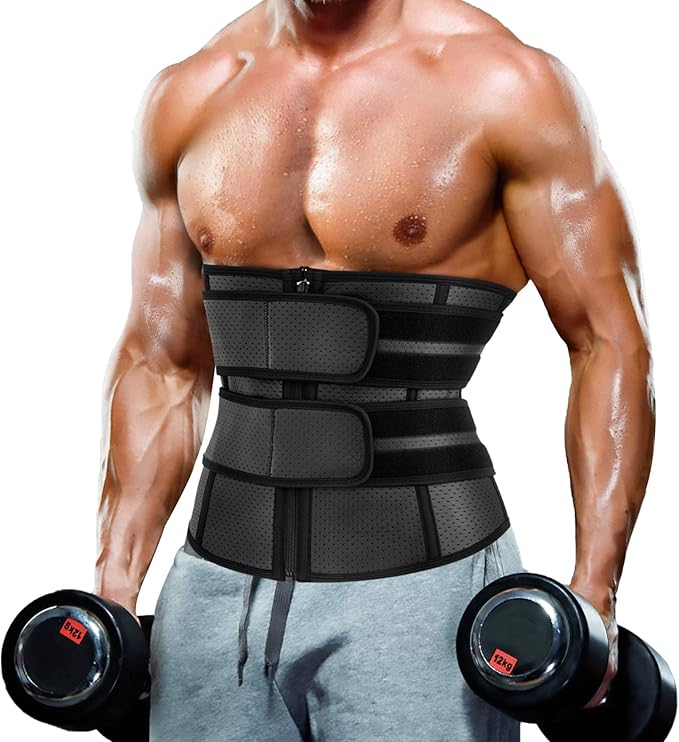
Men's Neoprene Waist Trainer Corset
90% Polyester / 10% Spandex with hooks, zipper, and dual belts. Four closure points lock your fit for HIIT and circuit training.
View Waist Trainer Corset →
Men's Adjustable Workout Waist Trainer
100% Virgin Neoprene with dual Velcro straps. Adjustable compression built for gym training — squats, deadlifts, and core support.
View Adjustable Waist Trainer →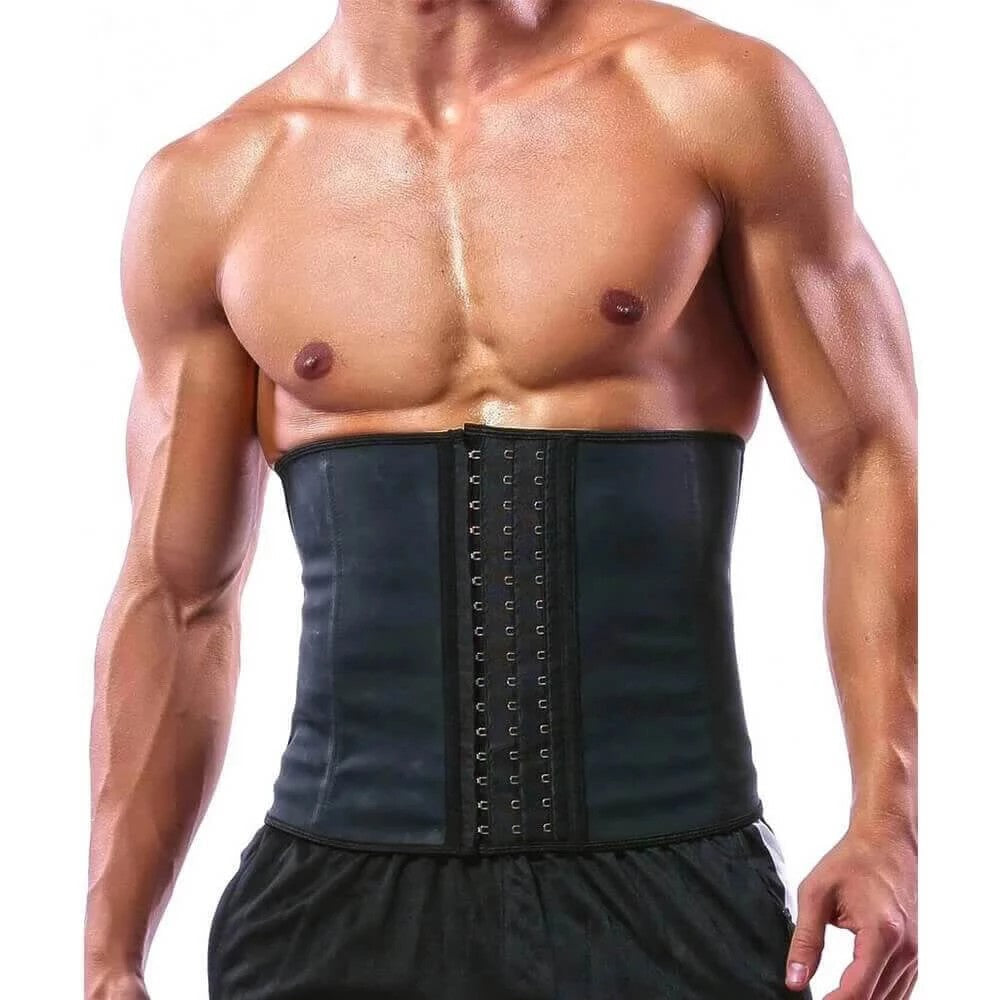
Men's Latex Waist Trainer
Premium natural latex with 9 memory steel bones. Firm, unyielding resistance for formal events and hard visceral belly fat.
View Latex Waist Trainer →See How a Properly Fitted Waist Trainer Looks
Demonstration images showing garment effect during wear. Individual results vary depending on body composition, skin elasticity, and garment sizing. Same person, same lighting, same angles.

Before & After — Side View
Result: Correct positioning at navel level — smooth contour, no rolling

Before & After — Dual Scene
Result: Proper compression — snug fit with Two-Finger Rule, breathable all session
Your Waist Trainer Questions Answered
From fit to duration — everything about using your waist trainer safely.
Fit & Wearing
Q: How do I put on a men's waist trainer correctly?
Q: How tight should a waist trainer be?
Q: Should I wear a shirt under my waist trainer?
Duration & Safety
Q: How long should I wear a waist trainer on day one?
Q: Can I sleep in a waist trainer?
Q: Can I wear a waist trainer if I have back problems?
Q: Can I wear a waist trainer and compression shorts together?
Unsure about your size? Check our Waist Trainer Size Guide before ordering.
What Waist Trainers Can — and Cannot — Do
Waist Trainers Can Help With
- Providing core support during heavy lifts
- Increasing sweat output during thermal training
- Creating a smoother silhouette under clothing
- Encouraging upright posture during workouts
Waist Trainers Cannot
- Permanently reduce waist size or burn belly fat
- Replace medical back braces or physical therapy
- Compensate for poor lifting technique
- Work safely when worn 24/7 without recovery breaks
Why We Wrote This
About one in three first-time support questions comes from the same mistake: pulling the belt as tight as it goes. We developed the Two-Finger Rule to solve this. This guide exists so you get the right fit on day one. Waist trainers are fitness and posture aids, not medical devices.
Keep Your Waist Trainer in Top Shape
Hand wash every 2-3 uses. Never machine wash. Learn the full care routine.
Read the Cleaning Guide

Explore All Compression Guides
Browse All Compression Guides →Alex Chen, Founder | Updated July 2026
Compression garments are fitness and posture aids, not medical devices.
Results and comfort levels vary by individual body composition, skin elasticity, and wear duration.