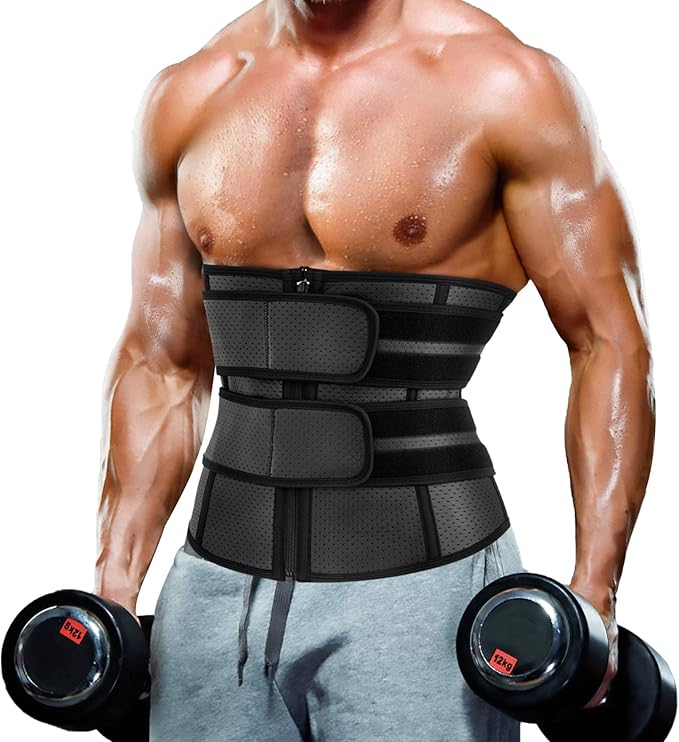
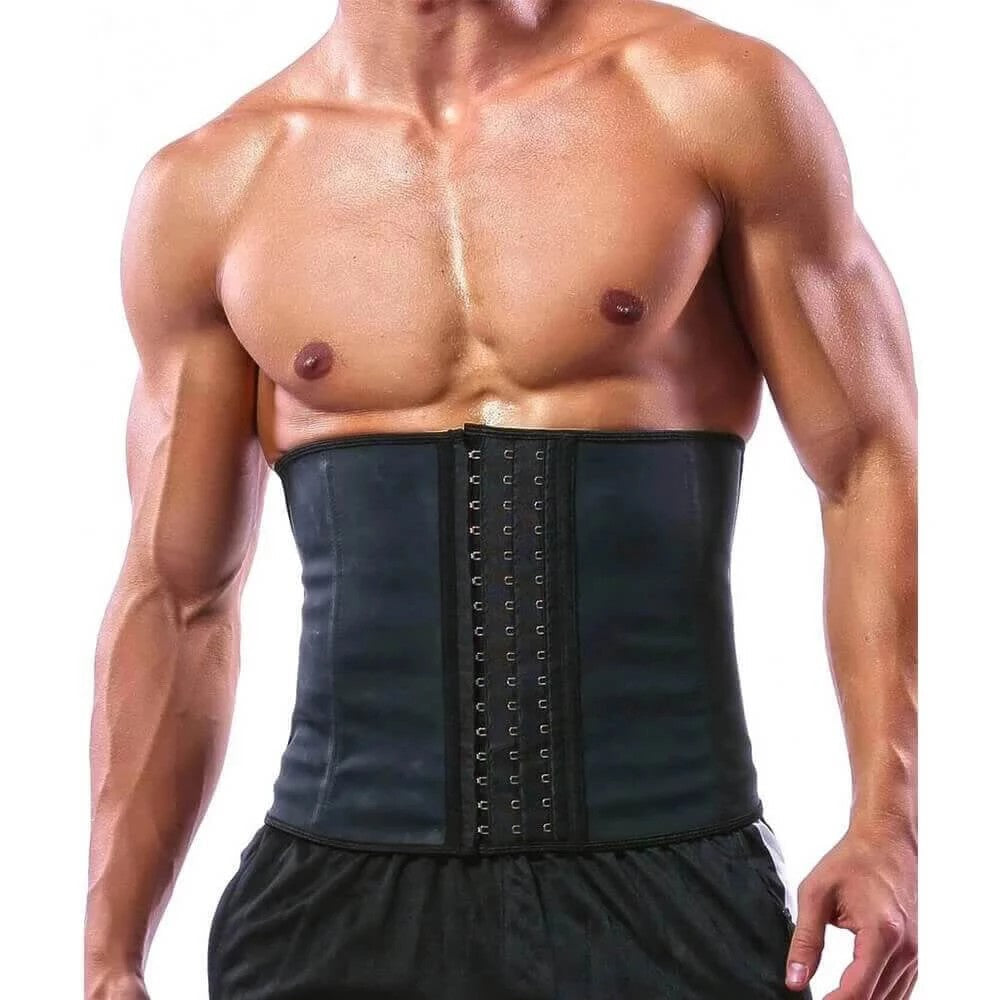
How to Clean a Men's Waist Trainer: The 2026 Guide
(Last Updated: May 2026)
Your Waist Trainer Is Dirtier Than You Think. Here's How to Fix It in 5 Minutes.
You've been crushing your workouts, sweating through your waist trainer, and seeing real results. But let's be honest—when was the last time you actually washed it? If you're like most guys, the answer is "not often enough." And that's a problem. A dirty waist trainer doesn't just smell bad—it becomes a breeding ground for bacteria, loses its compression power, and wears out way faster than it should.
📝 The Bottom Line
Never machine wash. Never tumble dry. Always hand wash in cold water with mild soap. At WaistSculpt, we've tested dozens of waist trainers in our lab—and we've ruined a few with improper washing ourselves so you don't have to. Here's the exact method we recommend, based on real trial and error, to keep your gear fresh, functional, and ready for your next session.
Proper waist trainer cleaning is the process of hand-washing a compression fitness belt in cold water with mild, non-abrasive soap—followed by flat air drying away from heat and sunlight—to remove bacteria, restore elasticity, and maximize the lifespan of neoprene or latex gear.
🔑 Key Takeaways
- Hand wash only with cold water and mild soap. Machine washing and hot water permanently destroy neoprene and latex fibers, warp steel bones, and melt hook-and-loop closures.
- Never wring or twist the fabric. Gently press out excess water and lay flat on a dry towel. Wringing is the fastest way to snap a steel bone or permanently stretch the material.
- Air dry away from direct sunlight and radiators. UV rays degrade latex rapidly. Heat from dryers and radiators warps the structure of both neoprene and latex.
- Deep clean every 2-3 uses for intense workouts. A quick rinse after each session plus a full hand wash every 2-3 uses can double the life of your gear and keep skin irritation at bay.
- Need a replacement? If your current belt has lost its compression after heavy use, browse our Men's Waist Trainers for a heavy-duty upgrade.
Note: This guide covers both neoprene and latex men's waist trainers. For specific product care instructions, always check the label on your belt.
The Golden Rule of Waist Trainer Care
Never machine wash. Never tumble dry. Both will destroy the fabric, warp the steel bones, and void any chance of a long-lasting waist trainer. Hand washing is non-negotiable.
Why Cleaning Your Waist Trainer Actually Matters
Skipping wash day doesn't just make your gear stink. Here's what's actually happening inside that damp neoprene or latex:
- Bacteria buildup: Sweat + body heat = the perfect environment for bacteria. This leads to skin irritation, breakouts, and that stubborn "gym bag" smell that won't go away.
- Fabric breakdown: Salt from your sweat crystallizes inside the fibers, slowly tearing them apart. A waist trainer that could last 12+ months might give out in 6 if you never clean it.
- Reduced compression: Dirt and dried sweat stiffen the fabric, making it less flexible and reducing its ability to hug your core effectively.
Bottom line: 5 minutes of hand washing after every 2-3 uses will double the life of your gear and keep your skin happy.
How to Clean a Neoprene Waist Trainer
Neoprene is the most common material in men's waist trainers—it's durable, flexible, and great at trapping heat. But it's also delicate when wet. Here's the only method you should use:
What You'll Need:
- Cold or lukewarm water (never hot)
- Mild soap or baby shampoo (no harsh detergents)
- A clean sink or basin
- A dry towel
Step-by-Step Instructions:
- Fill the sink with cold water and add a small amount of mild soap. Swirl to mix.
- Submerge the waist trainer and gently agitate it with your hands for 1-2 minutes. Focus on areas that collect the most sweat—the inner lining and around the hook-and-loop closures.
- Rinse thoroughly under cold running water until all soap is gone. Any leftover soap will irritate your skin and break down the neoprene over time.
- Gently press out excess water—do NOT wring or twist. Wringing stretches the fabric and can snap the steel bones.
- Lay flat on a dry towel, roll it up, and press down to absorb more moisture.
- Air dry completely by laying it flat or hanging it over a shower rod. Keep it away from direct sunlight and radiators.
Pro Tip: If your neoprene trainer has developed a persistent odor, add a tablespoon of white vinegar to the wash water. It kills bacteria and neutralizes smells without damaging the fabric. For a heavy-duty neoprene belt that resists wear and stays fresh longer, explore our Men's Adjustable Workout Waist Trainer →
How to Clean a Latex Waist Trainer
Latex waist trainers (like our Men's Heavy-Duty Latex Waist Trainer) require even gentler care. Latex is a natural material that's sensitive to oils, sunlight, and harsh chemicals.
What You'll Need:
- Cold water only (lukewarm can warp latex)
- Mild, oil-free soap
- A soft cloth or sponge
Step-by-Step Instructions:
- Spot clean whenever possible. Latex doesn't absorb sweat like neoprene, so a quick wipe-down after each use is often enough.
- For a deeper clean, dampen a soft cloth with cold water and a tiny drop of mild soap. Gently wipe the entire surface—inside and out.
- Rinse the cloth and wipe again with clean water to remove any soap residue.
- Pat dry with a clean towel—never wring or twist.
- Hang to dry indoors, away from any direct sunlight. UV rays will degrade latex quickly.
⚠️ Important for Latex: Never use oil-based soaps, lotions, or silicone sprays on latex. They'll break down the material. Also, store your latex trainer away from other rubber items—they can react and cause discoloration.
What You Should NEVER Do
We've seen guys ruin $50+ waist trainers by making these mistakes. Don't be one of them.
- ❌ Machine wash: The agitator will stretch, tear, and warp your waist trainer. The steel bones can also damage your machine.
- ❌ Tumble dry: Heat destroys neoprene and latex. It also warps the steel bones and melts any adhesive used in the hook-and-loop closures.
- ❌ Hot water: Hot water breaks down the elastic fibers and can cause neoprene to lose its shape permanently.
- ❌ Bleach or harsh detergents: These chemicals eat away at the fabric and can cause skin reactions when you wear it next.
- ❌ Wringing or twisting: This is the fastest way to snap a steel bone or permanently stretch the fabric.
🛠️ Troubleshooting: What If Your Waist Trainer Is Already Damaged?
Sometimes it's not about prevention—you need a rescue plan. Here's what to do when things have already gone wrong.
Q: My waist trainer has mold spots. Can it be saved?
Yes, in most cases. Mix equal parts cold water and white vinegar. Dampen a clean cloth with the solution and gently dab the moldy areas—do not rub, as rubbing pushes spores deeper into the fabric. Let the vinegar sit for 15 minutes, then wipe clean with a damp cloth and air dry completely in direct sunlight (sunlight kills residual mold spores naturally). If the mold has penetrated deep into the fabric or the smell persists, it's time to replace your belt. Mold trapped deep in neoprene or latex fibers cannot be fully removed and can cause skin irritation.
Q: My waist trainer has a stubborn odor that won't go away.
Create a baking soda paste (mix baking soda with a small amount of water until it forms a thick paste). Apply the paste to the inner lining of your belt and let it sit for 30 minutes. Baking soda is a natural deodorizer that pulls odor-causing compounds out of the fabric. Rinse thoroughly with cold water and air dry. For extreme cases, repeat this process twice, then follow up with the white vinegar soak described in our Pro Tip above.
Q: The steel bones in my waist trainer are bent or poking out.
Unfortunately, this is one of the few things that cannot be repaired. Once steel bones warp or break through the fabric, the structural integrity of the belt is compromised. Wearing a belt with damaged boning can cause bruising, uneven compression, and even back strain. Do not attempt to bend them back—the metal has already weakened and will snap under pressure. If your steel bones are damaged, it's time for a replacement. Browse our Men's Waist Trainers for a heavy-duty upgrade.
How Often Should You Clean Your Waist Trainer?
This depends on how you use it:
| Usage Type | Cleaning Frequency |
|---|---|
| Intense workouts (daily, heavy sweat) | Quick rinse after every use; full hand wash every 2-3 uses |
| Light workouts (2-3x per week) | Full hand wash once per week |
| Everyday wear under clothes (low sweat) | Spot clean as needed; full hand wash every 2 weeks |
Not sure which waist trainer you have? Browse our full collection to see the materials and care instructions for your specific model.
❓ Frequently Asked Questions
Q: Can I use regular laundry detergent to clean my waist trainer?
A: No. Regular laundry detergents often contain chlorine, ethanol, dyes, and fragrances that can break down neoprene and latex fibers. Always use a mild, fragrance-free soap or baby shampoo. Harsh detergents can also leave residue that irritates your skin when you wear the belt next.
Q: How do I get rid of stubborn odors that won't wash out?
A: Add 1 tablespoon of white vinegar to your wash water. Vinegar is a natural antibacterial agent that neutralizes odor-causing bacteria without damaging neoprene or latex. For extreme cases, let the belt soak in the vinegar-water solution for 10-15 minutes before rinsing thoroughly.
Q: Is neoprene easier to clean than latex?
A: Yes. Neoprene can be fully submerged in water and gently hand-washed. Latex should primarily be spot-cleaned with a damp cloth, as excessive water exposure can warp the natural material. Neoprene also tolerates mild soap better, while latex requires strictly oil-free cleaning products.
Q: My waist trainer has lost its compression. Is it because I washed it wrong?
A: Possibly—hot water and machine washing are the top causes of premature compression loss. But even with perfect care, neoprene naturally wears out after 6-12 months of heavy use. If your old belt isn't hugging your core like it used to, consider upgrading to our Men's Adjustable Workout Waist Trainer—its 400g+ heavy-duty build is engineered for lasting compression.
Q: Can I save a waist trainer that has mold on it?
A: In most cases, yes. Dab the moldy area with a cloth dampened in a 50/50 mix of cold water and white vinegar. Let it sit for 15 minutes, then wipe clean and air dry in sunlight. If the mold has penetrated deep into the fabric or the smell persists after treatment, it's time to replace your belt—trapped mold can cause skin irritation.
Q: What if the steel bones in my waist trainer are bent or poking out?
A: This cannot be repaired. Once steel bones warp or break through the fabric, the belt's structural integrity is compromised. Wearing it can cause bruising or back strain. Do not attempt to bend them back—the metal has already weakened and will snap. It's time for a replacement.
Q: How long does shipping take?
A: We offer free shipping on all orders. Delivery to the USA typically takes 8-15 business days via our global fulfillment network. You'll receive a tracking number once your order is dispatched.
⭐ What Our Customers Say
"I followed this exact cleaning method and my neoprene trainer still looks brand new after 6 months of heavy use. No smell, no wear, compression still tight."
— Jason M., Verified Customer, ⭐ 4.9/5
"I used to throw my old belt in the washing machine and it fell apart in 3 months. Since switching to hand wash as recommended here, my new WaistSculpt trainer has lasted over a year."
— Chris D., Verified Customer, ⭐ 5.0/5
Ready to Level Up Your Waist Training?
Now that your gear is clean and fresh, make sure you're using it correctly for maximum results. If your current belt has already lost its compression or developed stubborn odors that won't wash out, it might be time to upgrade.
📖 Read our complete guide on how to use a men's waist trainer →
Need a heavy-duty replacement? Browse our full collection of Men's Waist Trainers →
USA Shipping: 8–15 days | Satisfaction Guaranteed
About the Author
Written by The WaistSculpt Team — Experts in men's compression fitness gear. Our lab has personally tested and stress-washed over 50 waist trainers across neoprene and latex materials to develop the cleaning protocols you can trust.