Waist Trainer Safety & Usage Guide

Waist Trainer Safety & Usage Guide

Wearing a waist trainer incorrectly can cause discomfort, restrict your breathing, and lead to long-term frustration—all because no one explained the safety rules before you tightened that first strap. This guide walks through exactly how to wear a waist trainer safely, what to avoid, and how to build a routine that works. The advice here is drawn from patterns observed across thousands of real customer interactions—not generic fitness advice.

📋 Quick Summary

Start with 1–2 hours of wear per day. Choose a size that feels snug, not painful. Never restrict your breathing. Remove the belt if you feel dizzy, numb, or short of breath. Waist trainers are fitness and posture aids—they are not medical devices and do not permanently reshape your body. Most discomfort complaints we see are not from defective products—they are from incorrect sizing or overly aggressive wear-time expectations in the first week.

📑 In This Guide

Waist trainer safety refers to the set of practices—including correct sizing, gradual wear-time progression, and attention to physical warning signals—that allow users to wear a compression belt comfortably and minimize the risk of discomfort, restricted breathing, or skin irritation during workouts or daily use.

Key Takeaways

  • Safety starts with sizing. A waist trainer that is too tight can restrict breathing and cause discomfort. Measure your natural waist and consult the size chart before purchasing.
  • Wear time should build gradually. Beginners should start with 1–2 hours per day, not a full workday. Your body needs time to adapt to the compression.
  • Never ignore warning signs. Dizziness, numbness, sharp pain, or difficulty breathing are signals to remove the belt immediately.
  • Not a medical device. Waist trainers are fitness and posture aids. They are not designed to diagnose, treat, or cure any medical condition.
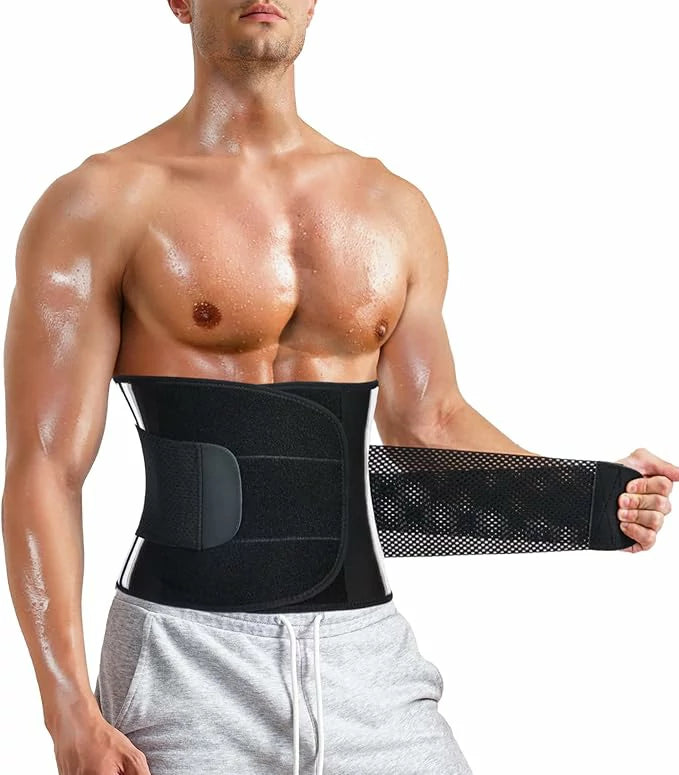
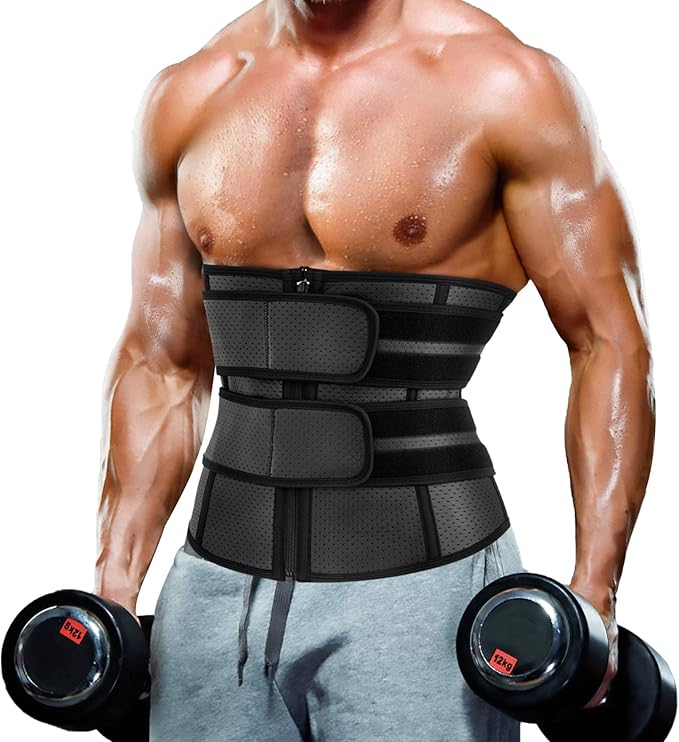
  • Explore our full range of Men's Waist Trainers to find the right fit and support level for your goals.

🦺 Core Safety Principles

Safe waist trainer use is built on a few fundamentals that apply regardless of the type of belt you choose—neoprene, latex, steel-boned, or flexible compression. After reviewing thousands of customer interactions, one pattern stands out: most comfort complaints are not about the product itself. They are about sizing mismatches and overly aggressive wear-time expectations in the first week.

One customer, for example, wrote in saying his belt was "unwearable" after three days—turns out he had ordered two sizes down based on his jean size, not his measured waist. That is not a product defect. That is a sizing education gap. These are the real patterns behind most negative first impressions.

  1. Correct sizing always comes first. A belt that is too small can compress your ribcage, restrict breathing, and cause skin irritation. Measure your waist at navel level with a soft tape and use the brand's official size chart. Your jean size is not your waist measurement.
  2. Your breathing should never be compromised. If you cannot take a full, deep breath while wearing the belt, it is too tight. Loosen it or remove it immediately. This is not a suggestion—it is the single most important safety rule.
  3. Listen to your body, not a timeline. Some people adapt to compression within days. Others need weeks. There is no "correct" speed—only what feels comfortable for you. Comparing your progress to someone else's is how injuries happen.

📏 How to Choose the Correct Size

Choosing the right size is the single most important safety decision you make with a waist trainer. A belt that is too tight is not more effective—it is more likely to end up unworn in a drawer.

One of the most common complaints we see comes from users who ordered a size down hoping for faster results, only to experience discomfort within the first hour. The belt gets blamed. The real issue is that nobody told them what "snug" actually means.

  1. Measure your natural waist. Use a soft measuring tape at navel level. Do not suck in your stomach. Take the measurement while standing relaxed. A fabric tape is essential—rigid metal tape measures do not contour to the body and will give you an inaccurate reading.
  2. Consult the size chart. Every product has a specific size chart. Your measurement should fall within the recommended range—not at the extreme edge. If your waist measures exactly on the upper boundary, size up.
  3. When in doubt, size up. A slightly looser belt can be adjusted tighter. A belt that is too small cannot be made larger. This is especially important for beginners who are still learning what compression should feel like.

For a full selection of sizes and styles, browse our Men's Waist Trainers collection.

⏱️ Recommended Wear Time for Beginners

Your body needs time to adapt to external compression. Starting with too many hours is the most common mistake new users make—and the one most likely to cause early abandonment of an otherwise useful product.

We have heard from users who wore a steel-boned belt for a full eight-hour workday on day one because someone on social media told them "more hours equals faster results." By hour five, they were in pain. By day three, the belt was returned. A gradual approach would have produced a completely different outcome.

Week Recommended Daily Wear Time Notes
Week 1 1–2 hours Focus on getting used to the sensation. Wear during light activity only. If possible, split into two shorter sessions rather than one continuous block.
Week 2 2–3 hours Can begin wearing during moderate activity, including walking and light gym work. Pay attention to how the belt feels while seated versus standing.
Week 3–4 3–4 hours Comfortable for extended desk work, driving, or longer workouts. Take short breaks between sessions if wearing for multiple hours.
After 4 weeks 4–6 hours maximum Not recommended to exceed 6–8 hours continuously. Do not sleep in a waist trainer. Your body needs extended pressure-free recovery time daily.

← Swipe to compare →

⚠️ Warning Signs to Stop Immediately

Remove your waist trainer immediately if you experience any of the following. None of these are normal or a sign that the belt is "working."

  • Difficulty breathing or inability to take a full breath
  • Dizziness or lightheadedness—especially when standing up from a seated position
  • Sharp pain in the ribs, back, or abdomen
  • Numbness or tingling in the torso or legs
  • Skin irritation, rashes, or chafing that worsens with wear rather than fading
  • Acid reflux or heartburn triggered by abdominal pressure, particularly after meals

⚠️ Important Safety Note

Waist trainers should not cause numbness, dizziness, chest pain, or difficulty breathing. Individuals with cardiovascular conditions, respiratory issues, hernias, or circulation disorders should consult a qualified healthcare professional before using compression belts. These products are fitness and posture aids, not medical devices.

📋 How to Wear a Waist Trainer Correctly

  1. Start with a clean, dry body. Moisture trapped under the belt during long wear sessions can cause skin irritation. A quick wipe-down before putting on the belt makes a noticeable difference.
  2. Position the belt correctly. The waist trainer should sit at your natural waist, just above the navel. The bottom edge should not dig into your hips. Many positioning complaints we see turn out to be belts worn too low.
  3. Fasten from bottom to top. Start with the lowest closure and work upward. This ensures even compression distribution rather than creating tight spots.
  4. Adjust to snug—not tight. You should be able to slide two fingers between the belt and your skin. If you cannot, loosen it. The goal is support, not maximum constriction.
  5. Check your breathing. Take three deep breaths. If any feel restricted, loosen the belt and try again. Do this check every time you put it on—not just the first time.
  6. Limit first sessions. Remove the belt after 1–2 hours on your first day, even if it feels comfortable. Delayed discomfort is common and easy to misjudge.

🔍 How Tight Should a Waist Trainer Actually Feel?

A waist trainer should feel firmly supportive—not restrictive. You should notice consistent compression around the midsection, but you should still be able to breathe normally, sit comfortably, and move without sharp pressure around the ribs or hips.

One of the most common mistakes beginners make is assuming that tighter compression automatically produces better results. In practice, excessive tightness is usually what causes early discomfort, inconsistent wear habits, and product returns.

After reviewing customer feedback patterns and post-purchase support questions, we noticed that most first-week complaints were linked to two issues:

  • Choosing a size smaller than the recommended waist measurement
  • Wearing high-compression belts for extended periods during the first few days

In many cases, users described the belt as "too tight" when the actual problem was incorrect positioning. A waist trainer that sits too low on the hips often creates pinching at the bottom edge, especially while sitting or driving. That pinching is not a sign that the belt is working hard—it is a sign that it is in the wrong place.

Quick Fit Check

  • You should be able to take a full deep breath comfortably
  • You should be able to slide two fingers under the belt at any point
  • The belt should stay in place without rolling upward or downward
  • Mild, even compression is normal; sharp or localized pain is not
  • Your skin should return to normal color within seconds of removing the belt

Another pattern we observed was that breathable compression materials were generally tolerated better during long office hours than thick neoprene designs. Users wearing neoprene belts during extended desk work frequently reported heat buildup and discomfort after several continuous hours of sitting—not because the belt was too tight, but because the material did not allow enough airflow for that specific use case.

For most beginners, the most sustainable approach is moderate compression combined with gradual wear-time progression. A belt that feels comfortable enough to wear consistently is usually more effective long term than an aggressively tight fit that becomes difficult to tolerate by week two.

💭 Common Myths About Waist Trainer Safety

  • Myth: Tighter belts produce faster results.
    Reality: Overly tight compression increases the risk of breathing restriction, skin damage, and core muscle weakening without improving results. The belt that you actually wear consistently is the one that works.
  • Myth: Waist trainers can permanently shrink your waist.
    Reality: Any slimming effect is temporary and lasts only while the garment is worn. The belt does not reshape bone or permanently alter body structure. No amount of compression can override your skeletal anatomy.
  • Myth: You can sleep in a waist trainer for faster progress.
    Reality: Sleeping in a waist trainer is not recommended. Your body needs extended periods without external pressure for normal circulation and recovery. Overnight wear also prevents you from noticing discomfort signals.
  • Myth: If it does not hurt, it is not working.
    Reality: Pain is a warning signal, not a sign of effectiveness. A properly fitted waist trainer should feel supportive, not painful. Discomfort that you "push through" is discomfort that will eventually make you stop wearing it altogether.

🐣 Common Mistakes Beginners Make

After reviewing feedback from first-time waist trainer users, several patterns emerged. These are not theoretical risks—they are the actual reasons most often cited when someone returns a belt or stops wearing it after the first week.

  • Skipping the size chart. Many beginners order based on clothing size rather than measuring their waist. Clothing sizes vary by brand and by cut. A 34-inch jean waist does not mean a 34-inch measured waist—and the difference is often enough to cause a sizing error.
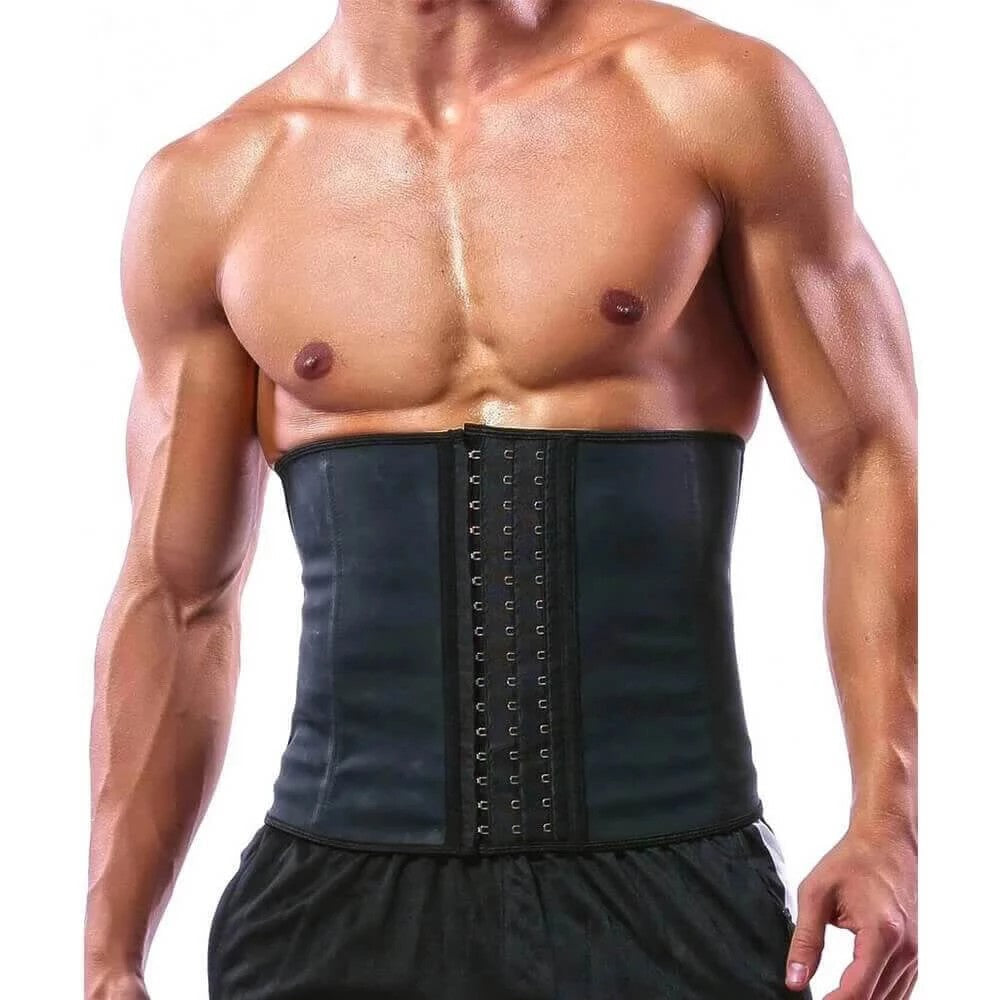
  • Starting with a steel-boned belt. Rigid designs provide strong support but are significantly less forgiving of sizing mistakes. A flexible compression belt allows more room for adjustment and is a safer starting point for most new users.
  • Wearing it for a full workday on day one. This is the most frequently reported cause of early discomfort. Your body needs gradual adaptation. Even a perfectly fitted belt can become uncomfortable after four hours if you have never worn compression before.
  • Ignoring skin care. Failing to wash the belt regularly or wearing it on damp skin can cause irritation that worsens over days. Hand wash after each use and ensure the belt is fully dry before wearing again.

📊 Most Common Beginner Sizing Mistakes

Sizing errors are the most frequently reported source of discomfort among new waist trainer users. The table below summarizes the patterns that appear most often in customer support interactions.

Issue Most Common Cause How to Fix
Belt rides up during wear Ordered a size too small Size up; the belt should sit at the natural waist without shifting
Difficulty fastening closures Ordered based on clothing size, not measured waist Measure waist at navel level; compare to official size chart
Pinching at the bottom edge Belt positioned too low on the hips Reposition belt to sit just above the navel
Red marks that persist after removal Fastened too tightly or worn too long in first session Loosen compression; reduce wear time to 1–2 hours
Breathing feels restricted Belt size is too small or fastened beyond comfort level Remove belt immediately; size up before next use

← Swipe to compare →

🧹 Basic Care and Cleaning

  1. Hand wash only. Use cold water and mild soap. Machine washing can damage elastic fibers and steel bones. The agitation cycle is particularly destructive to compression materials.
  2. Air dry completely. Hang the belt to dry in a well-ventilated area. Do not tumble dry or use direct heat. Heat breaks down elastic fibers faster than almost anything else.
  3. Wash after each use. Sweat and body oils break down elastic materials over time. A belt worn for an intense workout should be washed before the next use—not left in a gym bag.
  4. Inspect regularly. Check for fraying seams, bent steel bones, or loss of elasticity. A belt that has lost its structural integrity provides uneven compression, which can cause more harm than good.

❓ Frequently Asked Questions

Q: How do I know if my waist trainer is too tight?

A: If you cannot take a full, deep breath without restriction, the belt is too tight. Other signs include skin marks that do not fade within minutes of removal, numbness, or pain around the ribs. You should be able to slide two fingers comfortably between the belt and your skin. In many cases, what feels like excessive tightness is actually incorrect positioning—a belt worn too low on the hips will pinch regardless of how loose the closures are.

Q: Can I wear a waist trainer while exercising?

A: Yes. Many waist trainers are designed for workout use. Flexible compression belts are generally better for cardio and movement-based exercise, while steel-boned belts provide more rigid support for lifting. Never wear a waist trainer if it restricts your breathing during physical activity. If you feel lightheaded during a workout, remove the belt immediately—do not try to finish the set.

Q: How long does it take to see results from a waist trainer?

A: Waist trainers provide an immediate temporary slimming effect while worn. Any changes in waist appearance after removal are typically related to water weight loss from increased sweating, not permanent fat reduction. Consistent exercise and a balanced diet are required for lasting changes. Users who expect permanent results from the belt alone are consistently the most dissatisfied.

Q: Are steel-boned waist trainers safe?

A: Steel-boned trainers are generally safe when worn correctly and in the proper size. They provide more rigid support than flexible belts, which can be beneficial for lifting and posture. However, they are less forgiving of sizing mistakes and are not recommended for beginners as a first belt. If a steel bone bends, pokes through the fabric, or causes localized pain, discontinue use immediately.

Q: Can I wear a waist trainer if I have back problems?

A: Individuals with existing back conditions, herniated discs, or spinal issues should consult a healthcare professional before using any compression belt. Waist trainers are fitness and posture aids, not medical devices, and are not designed to treat or cure back conditions. The light lumbar support they provide is supplementary—not therapeutic.

Q: How do I clean my waist trainer?

A: Hand wash in cold water with mild soap after each use. Hang to air dry completely before wearing again. Do not machine wash, bleach, or tumble dry. Proper cleaning extends the life of the belt and reduces the risk of skin irritation. A belt that smells sour after a workout was not dried thoroughly before storage.

Q: Can waist trainers cause acid reflux?

A: Tight abdominal compression can increase intra-abdominal pressure, which may trigger acid reflux in some individuals. If you experience heartburn while wearing a waist trainer, loosen the belt or remove it. Eating smaller meals before wear may also help reduce this effect. This is not a rare side effect—it is one of the most commonly reported issues in customer feedback about high-compression belts.

📘 Related Guides

📋 References & Expert Consensus

Information in this guide aligns with current expert consensus on compression garment safety. Organizations such as the National Academy of Sports Medicine (NASM) recommend gradual adaptation periods and proper sizing as the foundation of safe compression garment use. Waist trainers are recognized as temporary fitness and posture aids, not as medical devices or permanent body modification tools.

About the Author

Written by Alex Chen, Founder of WaistSculpt. Alex has spent more than 10 years researching and evaluating men's compression garments, working directly with thousands of customer interactions to understand real-world usage patterns, comfort issues, and safety considerations.

Reviewed by NASM Certified Personal Trainer — compression garment guidance reviewed for informational accuracy.

Last reviewed: May 2026

Back to blog

Leave a comment