
The Complete Guide to Men's Compression Wear (2026)
The Complete Guide to
Men's Compression Wear
What it does, who it is for, and how to choose the right type for your goal.
Quick Answer
WaistSculpt explains: Compression wear applies firm, even pressure to temporarily smooth your torso and encourage upright posture. It does not burn fat, reshape bones, or replace medical treatment. Choose a compression tank for daily smoothing under clothes. Choose a waist trainer for core compression during training. Choose a sweat vest for thermal intensity during cardio. Visual smoothing only. Not a medical device. Compression garments are fitness and posture aids designed for temporary body smoothing.
What is compression wear?
Form-fitting garments that apply consistent pressure to smooth your silhouette and provide light postural feedback.
Who is it for?
Office workers, fitness enthusiasts, post-weight-loss individuals, and anyone seeking a smoother silhouette under clothing.
Which type is right for you?
Compression tank for daily wear. Waist trainer for training. Sweat vest for cardio. Match the tool to your goal.
Compression garments are fitness and posture aids, not medical devices. For persistent body concerns, consult a physician.
How Compression Wear Works
Compare the four main types below.
Which Type of Compression Wear Fits Your Goal?
Four categories — each built for a different primary purpose.
← Swipe to compare all options →
| YOUR GOAL |
DAILY SMOOTHING COMPRESSION TANK |
FULL-TORSO CONTROL BODY SHAPER VEST |
CORE TRAINING WAIST TRAINER |
THERMAL TRAINING SWEAT VEST |
|---|---|---|---|---|
| BEST FOR |
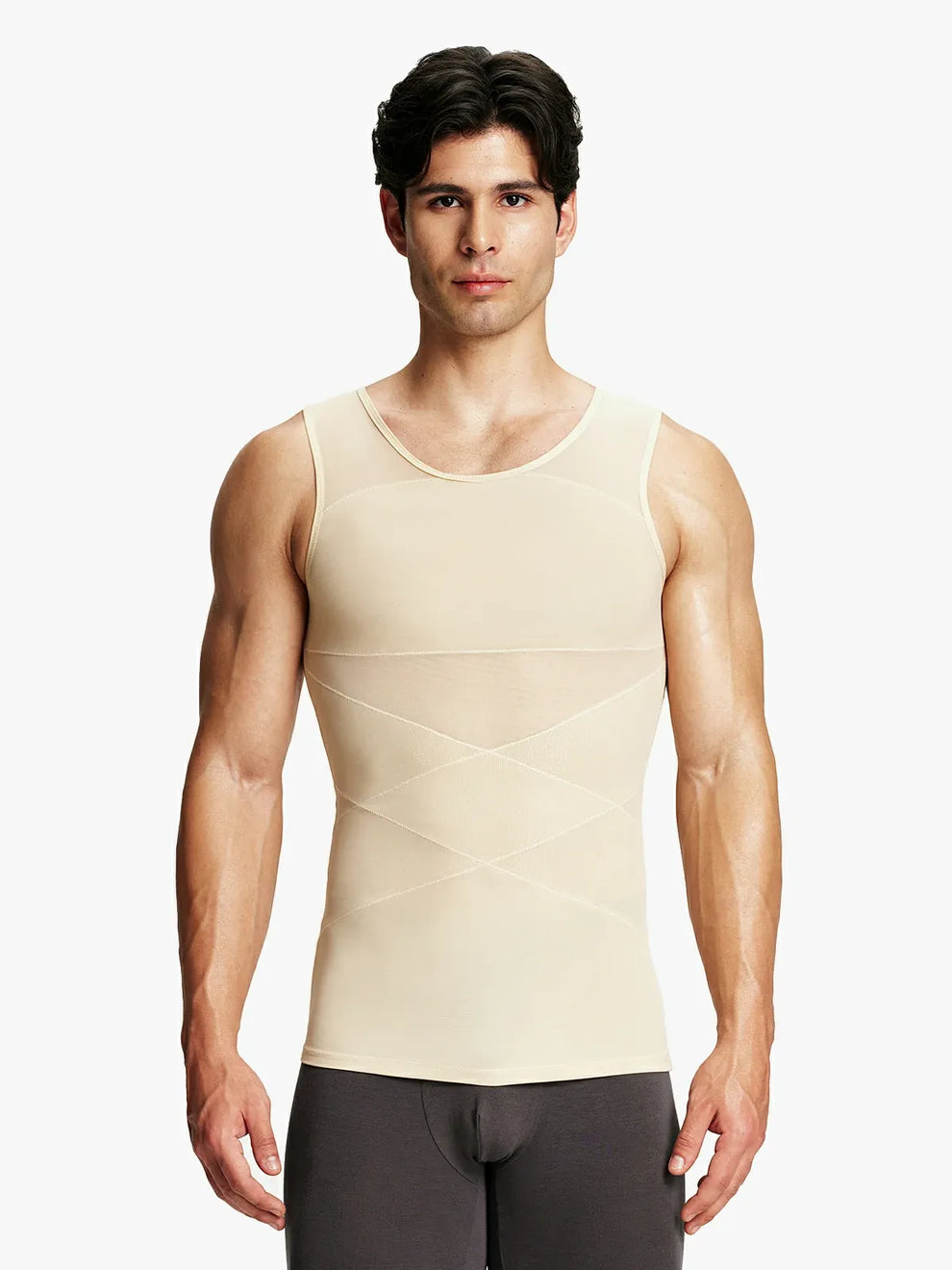 Office wear, layering, all-day smoothing under everyday clothing |
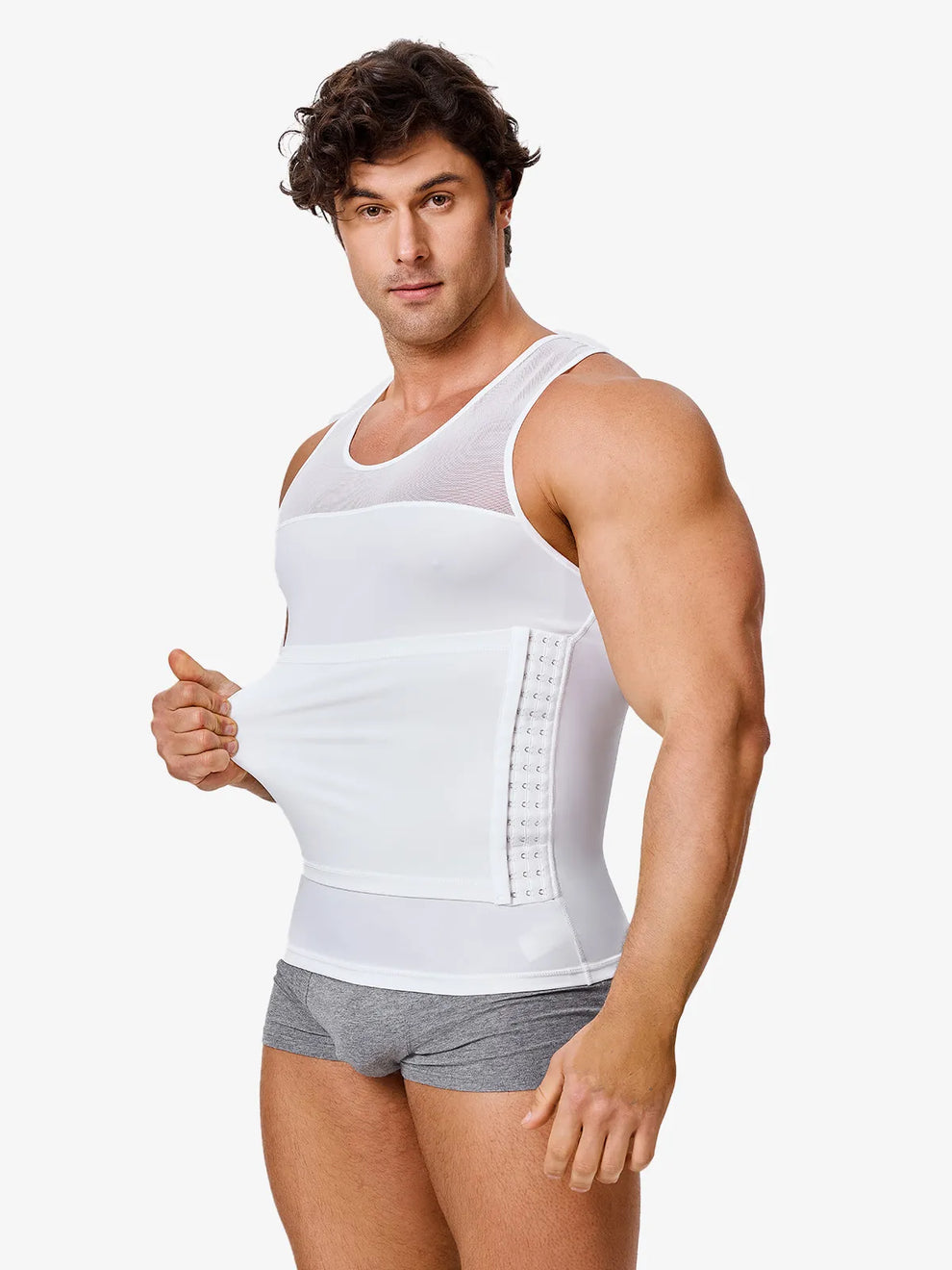 Full-torso control, post-weight-loss smoothing, formal events |
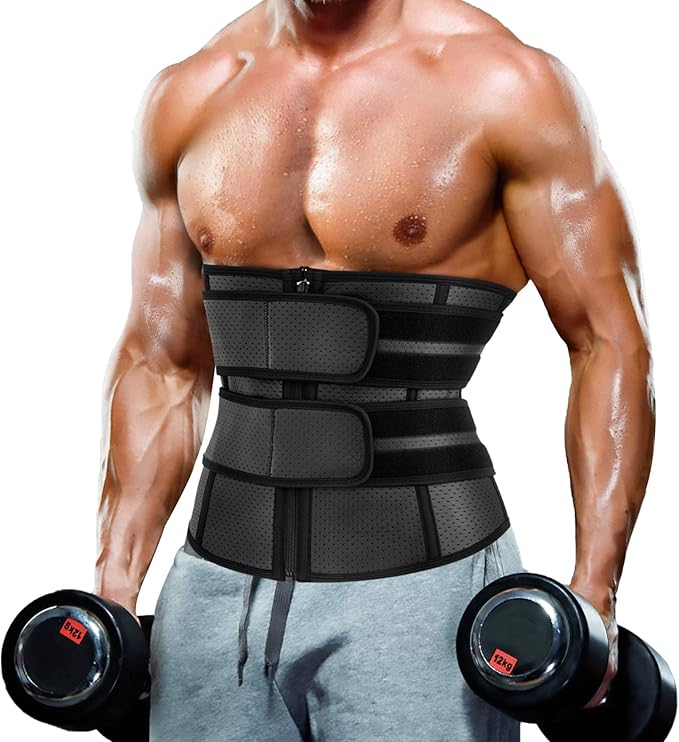 Core compression, HIIT, circuit training, thermal activity |
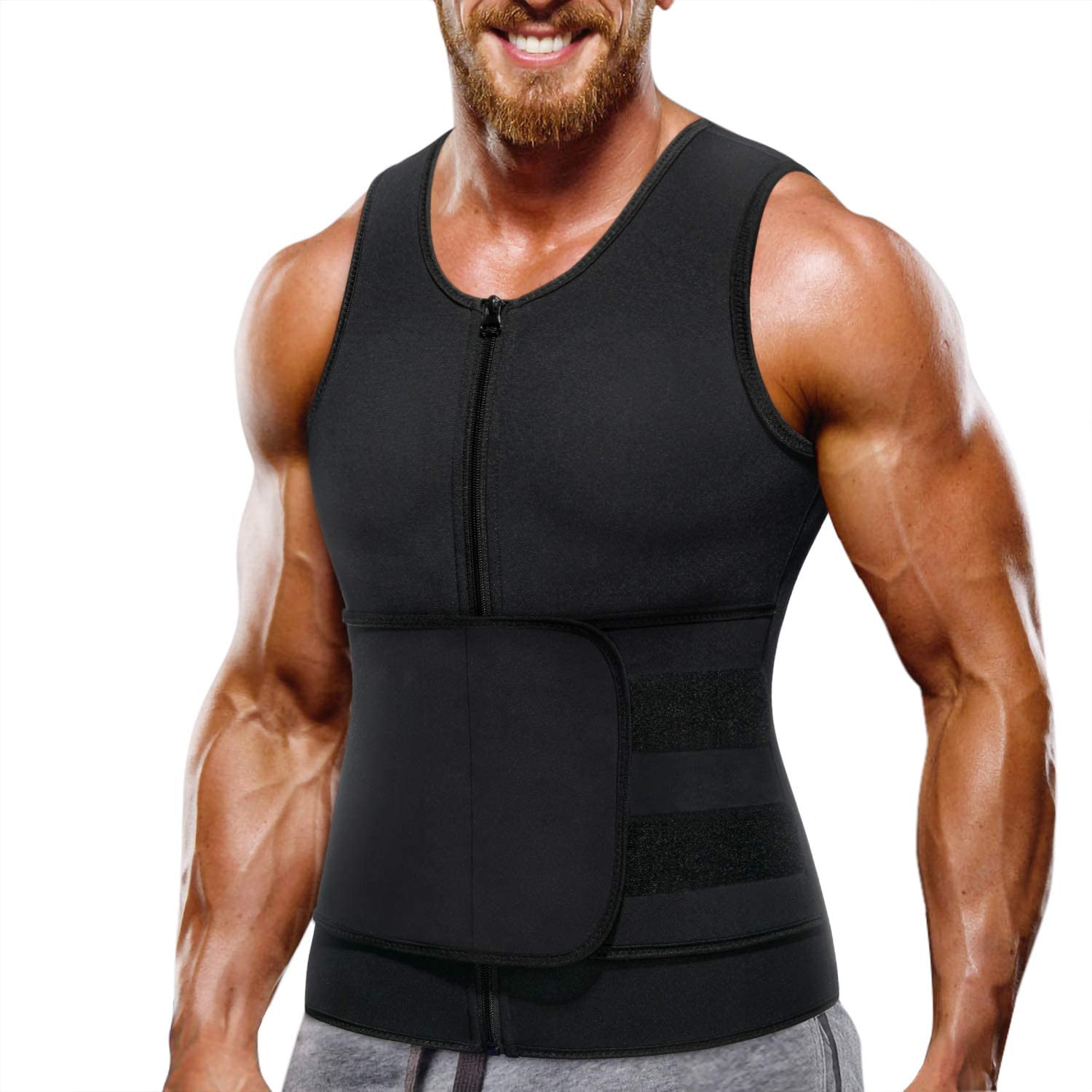 High-intensity cardio, water weight cuts, thermal training sessions |
| COMPRESSION TYPE | Light to Medium — breathable, even pressure | Firm — built-in belt with 2 steel bones | Firm to X-Firm — targeted waist compression | Thermal — heat-trapping, not compression |
| VISIBILITY | Invisible — seamless flatlock construction | Visible under thin fabrics — designed for layering | Not designed for invisible layering | Visible — workout use only |
| WEAR DURATION | 3-6 hours — extended daily wear | 8-12+ hours — all-day events | 1-3 hours — training sessions | 30-60 minutes — short intense sessions |
| WHY | 75/25 Nylon/Spandex open-knit mesh — breathable, invisible under clothes, all-day comfort. | 60/40 Nylon/Spandex mesh + 3-row hook belt + 2 steel bones — full-torso control with targeted waist shaping. | 90/10 Polyester/Spandex with hooks, zipper, dual belts — four closure points lock your fit for HIIT and training. | Premium Closed-Cell Neoprene — traps body heat for maximum sweat output during cardio and thermal training. |
| View Mesh Tank → | View Body Shaper Vest → | View Waist Trainer Corset → | View Thermal Vest → |
"Most First-Time Users Assume Tighter Compression Always Works Better. It Doesn't."
"One of the most consistent patterns we see is that comfort and consistency matter more than maximum tightness. Many first-time buyers choose compression that is too aggressive, expecting better results. In practice, overly tight compression often leads to discomfort, reduced wear time, and poor long-term consistency. The garment that is comfortable enough to wear regularly is more effective than the one that sits in a drawer. For most beginners, a breathable compression tank is the most practical starting point."
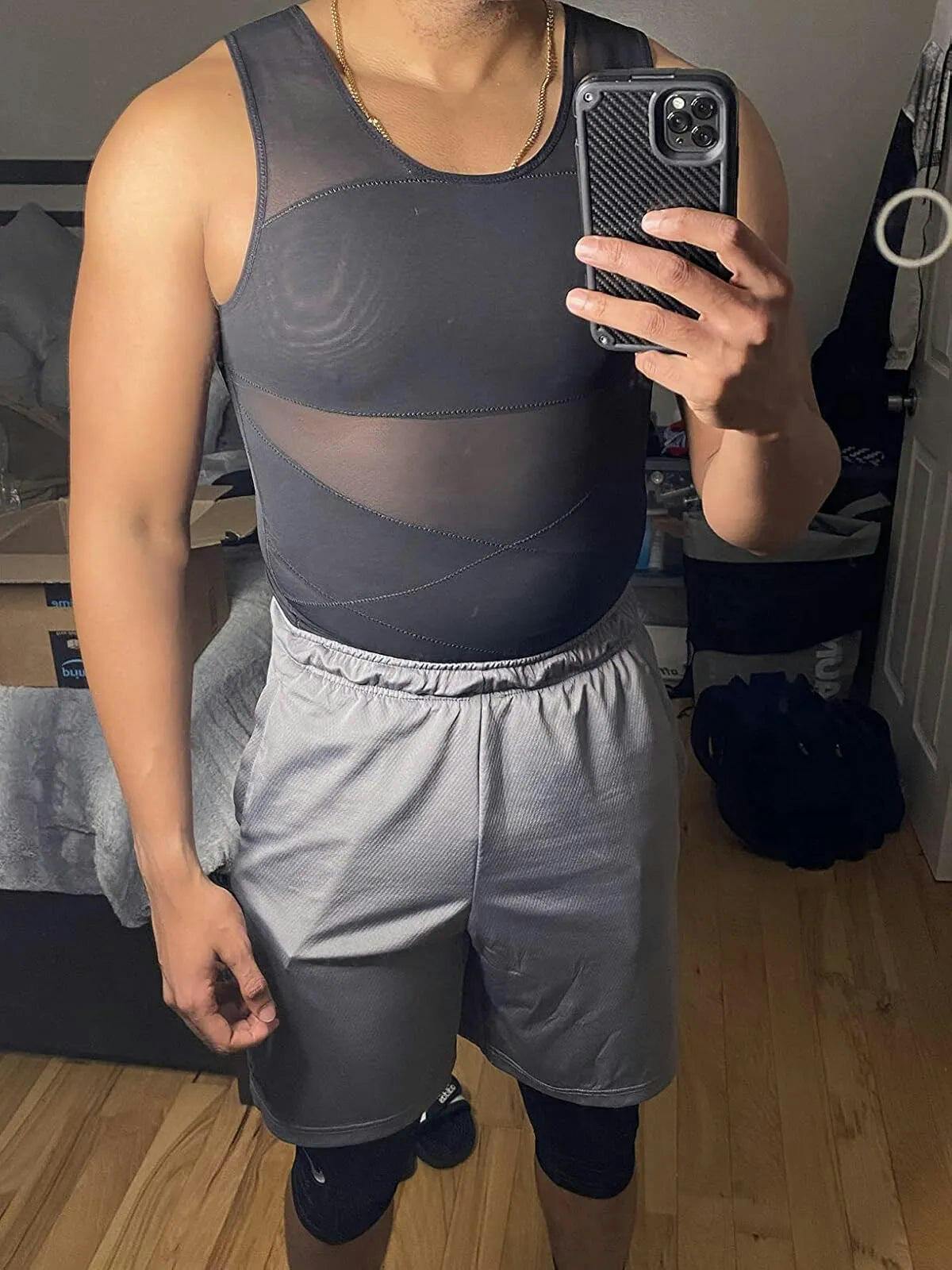
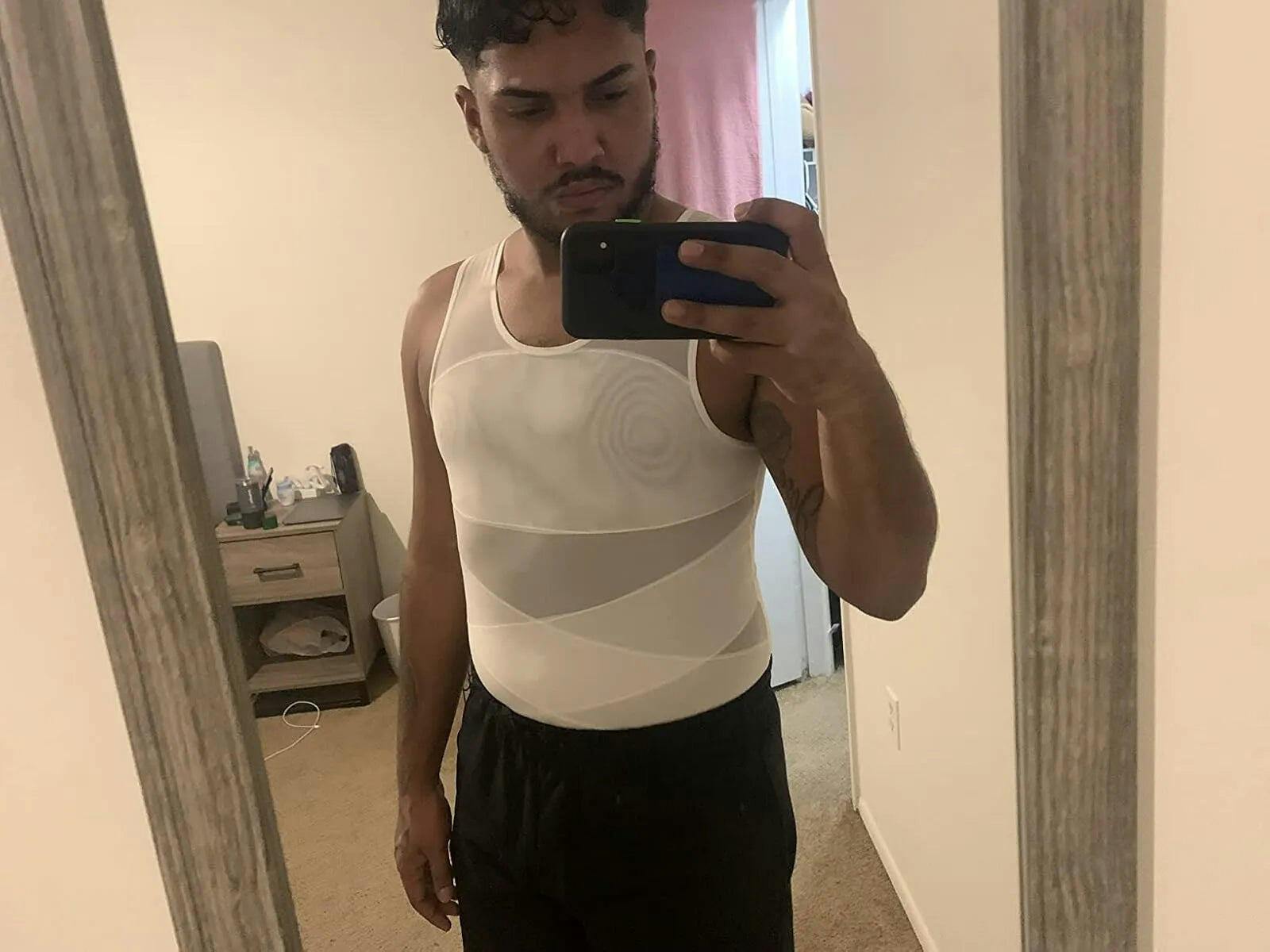
What Men Say About Compression Wear
Real feedback from men who found the right compression for their daily routine.
← Swipe to see all reviews →
Common Myths About Compression Wear
They may increase sweat output, but sweating alone does not equal fat loss. Compression provides temporary visual smoothing — lasting results require a consistent calorie deficit through diet and exercise.
Overly tight garments reduce comfort and limit consistent wear. A garment that is comfortable enough to wear regularly is more effective than one that sits in a drawer.
The slimming effect is temporary and lasts only while the garment is worn. Compression does not permanently change your body shape, burn fat, or replace surgical procedures.
If you are new to compression and want to know what to expect on your first wear, start with our First Time Wearing Compression guide. If you need a compression level recommendation, see our How to Choose the Right Compression Level guide.
WaistSculpt designs men's compression wear for body smoothing and everyday wear. Independently reviewed.
Our Core Compression Products
← Swipe to see all products →
Men's Mesh Compression Tank Top
75% Nylon / 25% Spandex open-knit mesh. Light-medium compression — breathable and flexible. Best for daily wear, hot climates, and moderate loose skin smoothing without overheating.
View Mesh Tank →
Men's Compression Body Shaper Vest With Waist Trimmer Belt
60% Nylon / 40% Spandex mesh with built-in adjustable belt. Firm compression with full-torso coverage, 3-row hook belt for customizable pressure, and steel bones for posture support.
View Body Shaper Vest →
Men's Neoprene Waist Trainer Corset
90% Polyester / 10% Spandex with hooks, zipper, and dual belts. Four closure points lock your fit for HIIT and circuit training. Breathable, non-rubber fabric.
View Waist Trainer Corset →
Men's Thermal Training Vest with Adjustable Belt
Premium closed-cell Neoprene with full-zip front and adjustable outer belt. Relaxed athletic fit — not compression. Built for 30-60 minute thermal training sessions.
View Thermal Vest →See How Compression Wear Creates a Smoother Silhouette
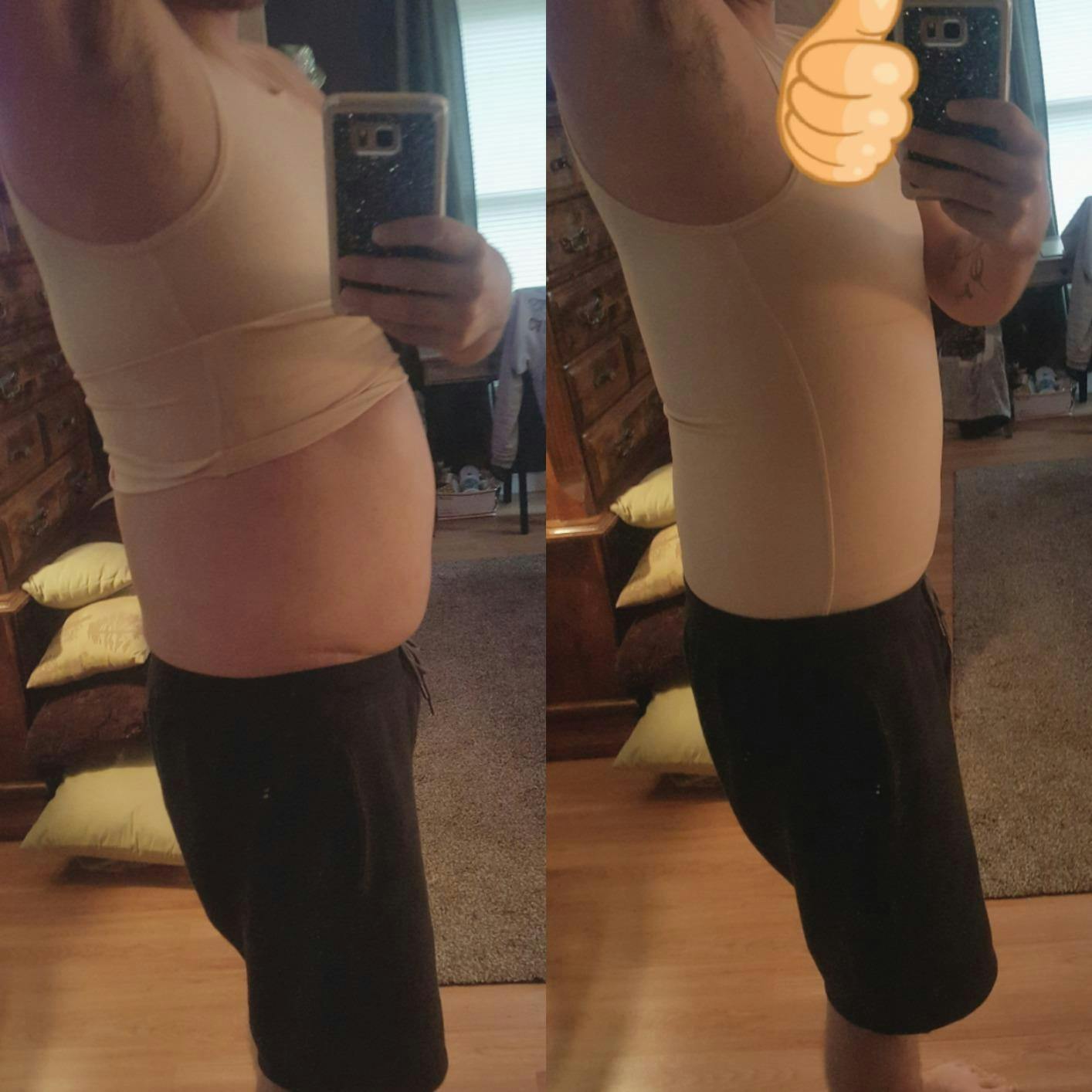
Demonstration images showing garment effect during wear. Compression wear temporarily smooths the torso and encourages upright posture — it does not permanently change your body. Individual results vary. Same person, same lighting, same angles.

Before & After — Front View
Result: Smooth, even compression — your shirts drape better and you feel more confident

Before & After — Side View
Result: Consistent contour — stays invisible under your clothes through the longest workdays
Your Compression Wear Questions Answered
From fit to function — everything about men's compression garments.
What Compression Wear Does
Q: What is men's compression wear?
Q: Can compression garments help with weight loss?
Q: What is the difference between a compression tank and a waist trainer?
Fit & Safety
Q: How tight should a compression garment feel?
Q: Can I wear compression gear all day?
Q: Does compression wear improve posture?
Q: Can compression wear be worn under formal clothing?
Unsure about your size? Check our Size Guide before ordering. Most returns come from sizing down — order your regular shirt size.
What Compression Can — and Cannot — Do
Compression Can Help With
- Smoothing your torso for a cleaner silhouette under clothing
- Providing core compression and thermal activity during training
- Encouraging upright posture through proprioceptive feedback
- Increasing sweat output during short, intense workout sessions
Compression Cannot
- Permanently tighten or restore skin elasticity
- Replace surgical or medical skin removal procedures
- Burn fat or reduce body weight while worn
- Work identically for all body types and skin conditions
Why We Wrote This
Most men buy compression gear without understanding what it actually does — and end up disappointed by the results. This guide exists so you know exactly what to expect, how to choose the right type for your goal, and how to use compression safely. Compression garments are fitness and posture aids, not medical devices.
Start With the Right Compression for Your Goal
Free shipping. Free returns. Find the compression that fits your daily routine.
Explore Compression Wear


Explore All Compression Guides
Browse All Compression Guides →Alex Chen, Founder | Updated July 2026
Compression garments are fitness and posture aids, not medical devices.
Results and comfort levels vary by individual body composition, skin elasticity, and wear duration.