
Neoprene vs Steel-Boned Waist Trainer: Which for Your Workout?
Neoprene vs Steel-Boned Waist Trainer: Which for Your Workout?
Neoprene flexes. Steel locks with unyielding hold. Polymer balances. Your workout decides.
Quick Answer
Neoprene and steel-boned waist trainers solve different problems. Neoprene flexes with dynamic movement — best for HIIT, cardio, and circuit training. Steel bones deliver unyielding compression with 9 memory steel bones — best for heavy squats, deadlifts, and formal shaping. Polymer bones sit between them — flexible enough for movement, firm enough for support. Both are types of men's compression wear. Visual smoothing only. Not a medical device.
When should I choose Neoprene?
For HIIT, cardio, and circuit training — Neoprene flexes with your body during burpees, sprints, and rapid multi-directional movement.
When should I choose steel-boned?
For heavy squats, deadlifts, and formal events — 9 memory steel bones lock your posture with unyielding compression that elastic cannot match.
What if I need both flexibility and support?
Polymer bones balance Neoprene's flexibility with steel's stability — ideal for mixed training and guys unsure which structure they need.
Visual smoothing only. Not a medical device. For persistent body concerns, consult a physician.
Why Neoprene, Steel-Boned, and Polymer-Boned Waist Trainers Solve Different Problems
Elastic flex. Unyielding lock. Balanced support.
Neoprene vs Steel-Boned vs Polymer — Which Structure Matches Your Training?
Three structures — each for a different type of movement.
← Swipe to compare all options →
| YOUR MOVEMENT |
DYNAMIC WAIST TRIMMER BELT |
HEAVY & FORMAL LATEX WAIST TRAINER |
MIXED WAIST TRAINER CORSET |
|---|---|---|---|
| BEST FOR |
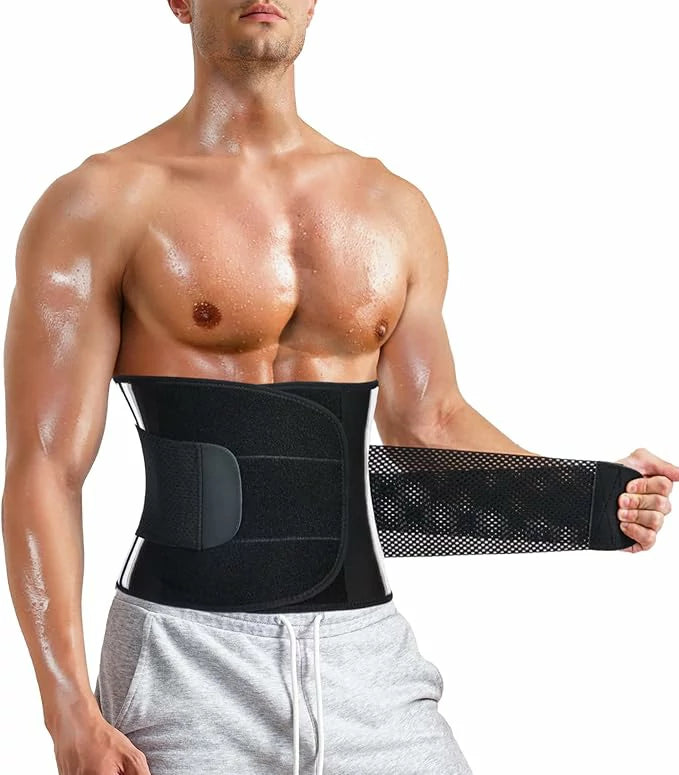 HIIT, cardio, circuit training — dynamic multi-directional movement |
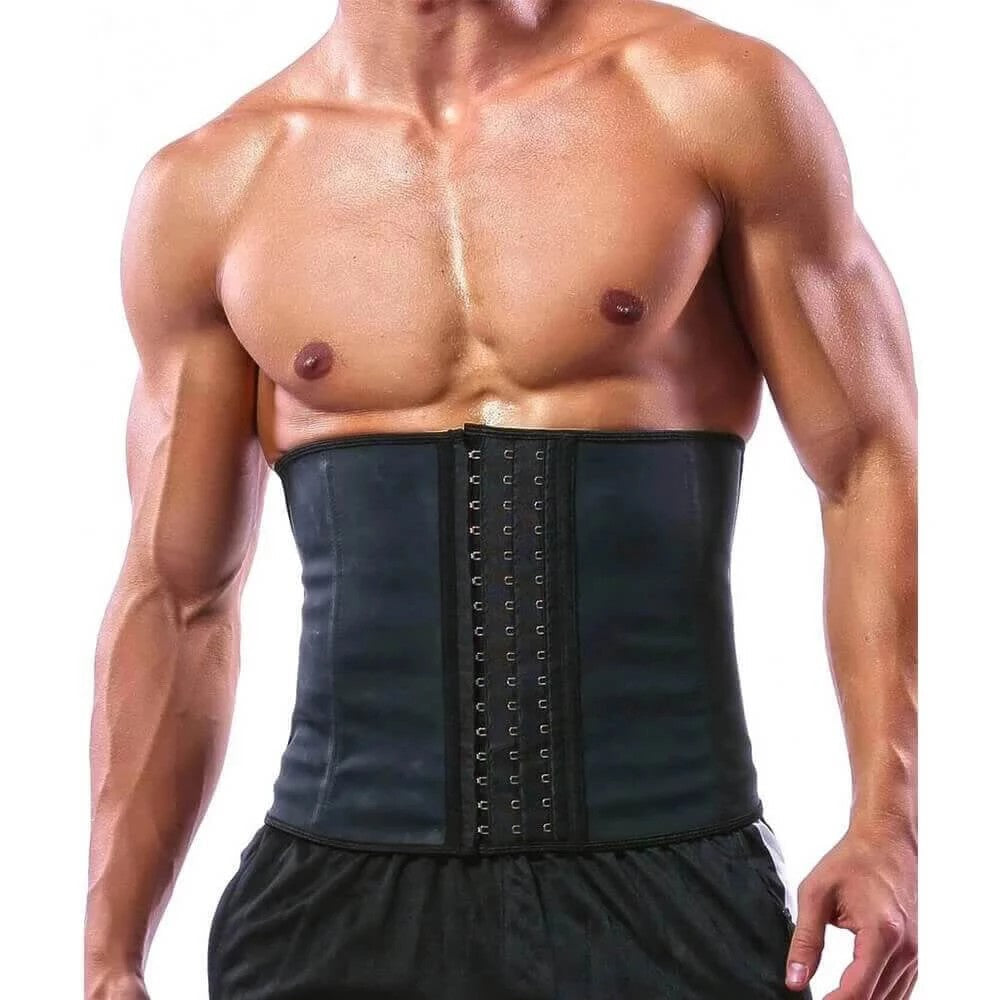 Heavy squats, deadlifts, formal events — unyielding compression for hard visceral fat |
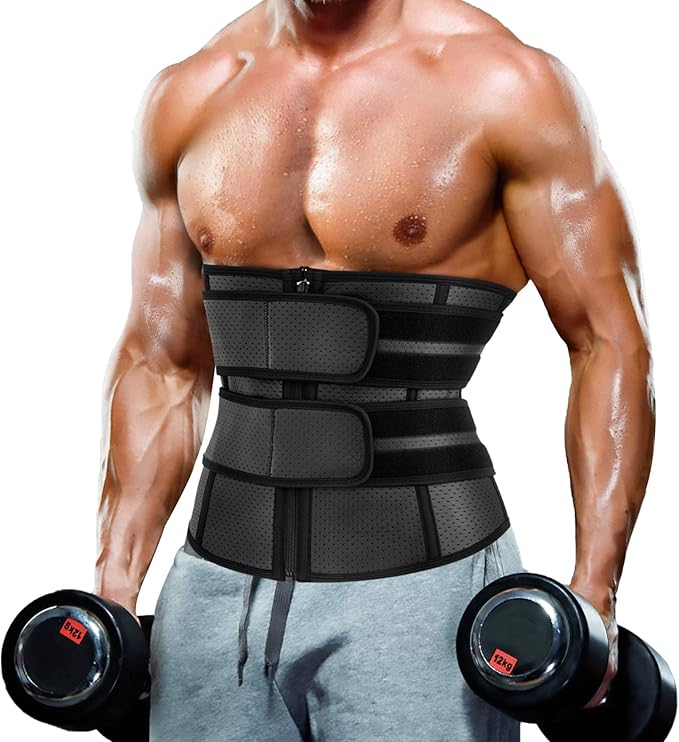 Mixed training, gym sessions — balanced flexibility and support |
| STRUCTURE | 4× Polymer Bones + Micro-Perforated Neoprene — flexes with movement, breathable | 9× Memory Steel Bones + Natural Latex — rigid lock, maximum hold | 5× Polymer Bones + 4-Point Lock — bends with squats, resists folding |
| FLEXIBILITY | High — bends with burpees, sprints, and sprawls | Minimal — locks posture, resists multi-directional movement | Balanced — flexible enough for squats, firm enough for support |
| WHY | Neoprene + 4 Polymer Bones. Flexes with dynamic movement without the rigidity of steel. | Natural Latex + 9 Memory Steel Bones. Unyielding compression locks posture for heavy lifts and formal shaping. | 90/10 Poly/Spandex + 5 Polymer Bones. Balanced support bends with squats without folding during burpees. |
| View Waist Trimmer Belt → | View Latex Waist Trainer → | View Waist Trainer Corset → |
"I Bought a Steel-Boned Latex Belt for HIIT — It Fought Me Every Set."
"The most common material mistake we see is guys buying the stiffest, heaviest steel-boned latex belt they can find — then discovering it resists every burpee and sprawl. Steel bones set in natural latex are built to lock your posture for heavy lifts and formal events. They are not designed to flex with dynamic movement. For HIIT and cardio, Neoprene provides the flexibility you need. For mixed training, polymer bones give you support that still moves with you. Your workout type decides the structure — match it, and the difference is immediate."
What Men Are Saying About Our Waist Trainers
Real feedback from men who found the right structure for their training.
← Swipe to see all reviews →


Common Mistakes When Choosing Waist Trainer Structure
Steel bones resist multi-directional movement. They lock your posture for heavy lifts — not burpees. For HIIT and cardio, choose Neoprene or polymer bones that flex with your body.
Neoprene bends with movement — that is the point. But for 1RM deadlifts and formal shaping, you need unyielding compression. Natural latex with 9 memory steel bones provides the rigid lock that elastic cannot match.
Natural latex with memory steel bones delivers firm, unyielding compression — different from lighter steel-boned belts. For maximum hold during heavy lifts and formal events, latex is the answer.
If you are new to waist trainers and want help choosing your first one, see our Waist Trainer Selection Guide. If you want our top picks for each training type, see our Best Waist Trainer for Gym & Training guide.
WaistSculpt designs men's compression wear — including Neoprene, latex, and polymer-boned waist trainers for different training types and formal events. Independently reviewed.
Our Top Waist Trainer Picks by Structure
← Swipe to see all products →
Men's Neoprene Waist Trimmer Belt
Micro-Perforated Neoprene with 4 polymer bones. Dual adjustable Velcro — flexible support for HIIT, cardio, and circuit training.
View Waist Trimmer Belt →
Men's Latex Waist Trainer
Premium Natural Latex with 9 memory steel bones. Firm, unyielding compression — built for heavy lifts and formal shaping.
View Latex Waist Trainer →
Men's Neoprene Waist Trainer Corset
90% Polyester / 10% Spandex with 5 polymer bones. 4-point lock — balanced support for mixed training and gym sessions.
View Waist Trainer Corset →See How Different Structures Perform During Training
Demonstration images showing garment effect during wear. Waist trainers provide visual smoothing and core support during training — they do not burn fat or cause permanent body changes. Individual results vary depending on body composition and garment sizing.

Polymer Bones — Side View · Balanced Support
Result: Flexible support that bends with squats — the safest starting point for mixed training

Polymer Bones — Dual Scene · Gym & Daily Wear
Result: Firm support during training, discreet under clothes for daily wear
Your Neoprene vs Steel-Boned Waist Trainer Questions Answered
The most common questions about choosing the right waist trainer structure.
The Core Difference
Q: What is the difference between Neoprene and steel-boned waist trainers?
Q: Are Neoprene waist trainers better than steel-boned?
Q: Can I wear a steel-boned waist trainer for HIIT?
Polymer Bones and the Middle Ground
Q: What are polymer bones — and how do they compare?
Q: Is the Corset with polymer bones a good starting point?
Safety and Next Steps
Q: Will a steel-boned waist trainer help me lose belly fat?
Q: How is this different from other waist trainer guides?
Unsure about your size? Check our Size Guide before ordering. Most returns come from sizing down — order your regular shirt size.
What Waist Trainers Can — and Cannot — Do
Waist Trainers Can Help With
- Flexing with dynamic movement during HIIT
- Locking posture during heavy squats and formal events
- Providing balanced support for mixed training
- Offering visual smoothing during workouts and daily wear
Waist Trainers Cannot
- Permanently tighten or restore skin elasticity
- Replace surgical or medical skin removal procedures
- Burn fat or reduce body weight while worn
- Work identically for all body types and training conditions
Why We Wrote This
"What is the difference between Neoprene and steel-boned?" We hear this question constantly — and most answers online are vague. This guide exists to give you the exact structural differences — Neoprene flexes, steel bones lock with unyielding compression, polymer balances — so you match the structure to your movement. Visual smoothing only. Not a medical device.
Ready to Match Structure to Movement?
Free shipping. Free returns. Choose the right structure for your training type.
Explore Waist Trainers
Explore All Compression Guides
Browse All Compression Guides →Alex Chen, Founder | Updated July 2026
Compression garments are fitness and posture aids, not medical devices.
Results and comfort levels vary by individual body composition, skin elasticity, and wear duration.