
Stop Buying the Wrong Workout Waist Trainer
Stop Buying the Wrong Workout Waist Trainer
Your training type decides your support structure. Here is how to match them.
Quick Answer
Most guys choose a waist trainer by price or brand — then wonder why it rolls, folds, or overheats. Choosing comes down to three things — your training type, the support structure, and the material. Heavy lifters need polymer stays and adjustable Velcro. HIIT athletes need multi-lock polymer bones and breathable fabric. Desk workers need breathable knit and pulley systems. A workout waist trainer is a type of men's compression wear designed for targeted core support during training. Visual smoothing only. Not a medical device.
What type of waist trainer is best for weightlifting?
Neoprene belts with polymer stays — flexible enough for squats, firm enough for core bracing. Adjustable Velcro lets you fine-tune mid-set.
What type is best for HIIT and high-intensity training?
Multi-lock polymer bone belts — four closure points stay locked through burpees and sprawls. Breathable fabric keeps you cooler during high-heart-rate training.
What if I need support outside the gym?
Breathable knit belts with pulley systems — contoured for sitting, not squatting. Cool enough for 8-hour shifts.
Visual smoothing only. Not a medical device. For persistent body concerns, consult a physician.
Why Your Training Type Decides Your Waist Trainer
The biggest mistake is buying the wrong belt for your workout.
Which Waist Trainer Matches Your Training?
Three training types — each with a different support structure and material.
← Swipe to compare all options →
| YOUR TRAINING |
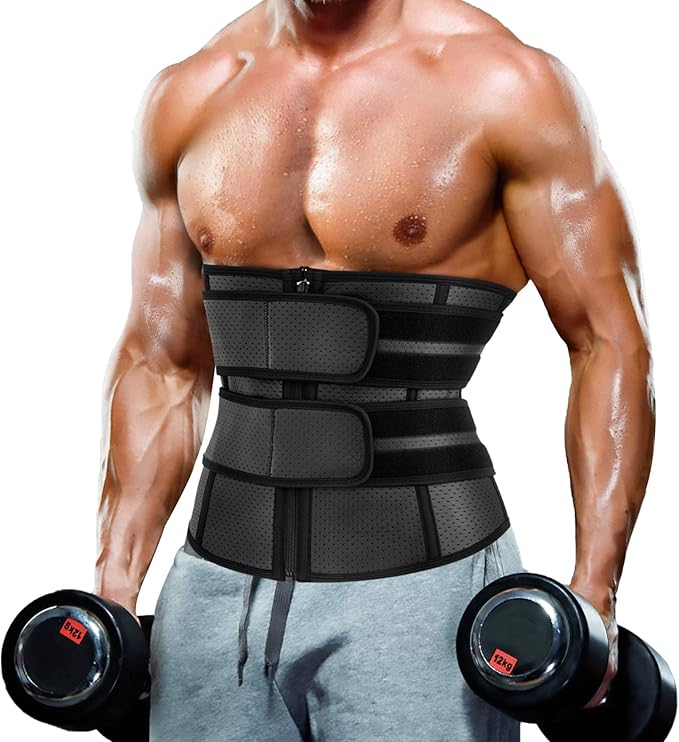
LIFTING ADJUSTABLE WAIST TRAINER |
HIIT & CARDIO WAIST TRAINER CORSET |
ALL-DAY SUPPORT 3D KNIT LUMBAR BELT |
|---|---|---|---|
| BEST FOR |
 Squats, deadlifts, heavy compound lifts — mixed strength sessions |
 HIIT, boxing, circuit training — rapid movement where belt stability matters most |
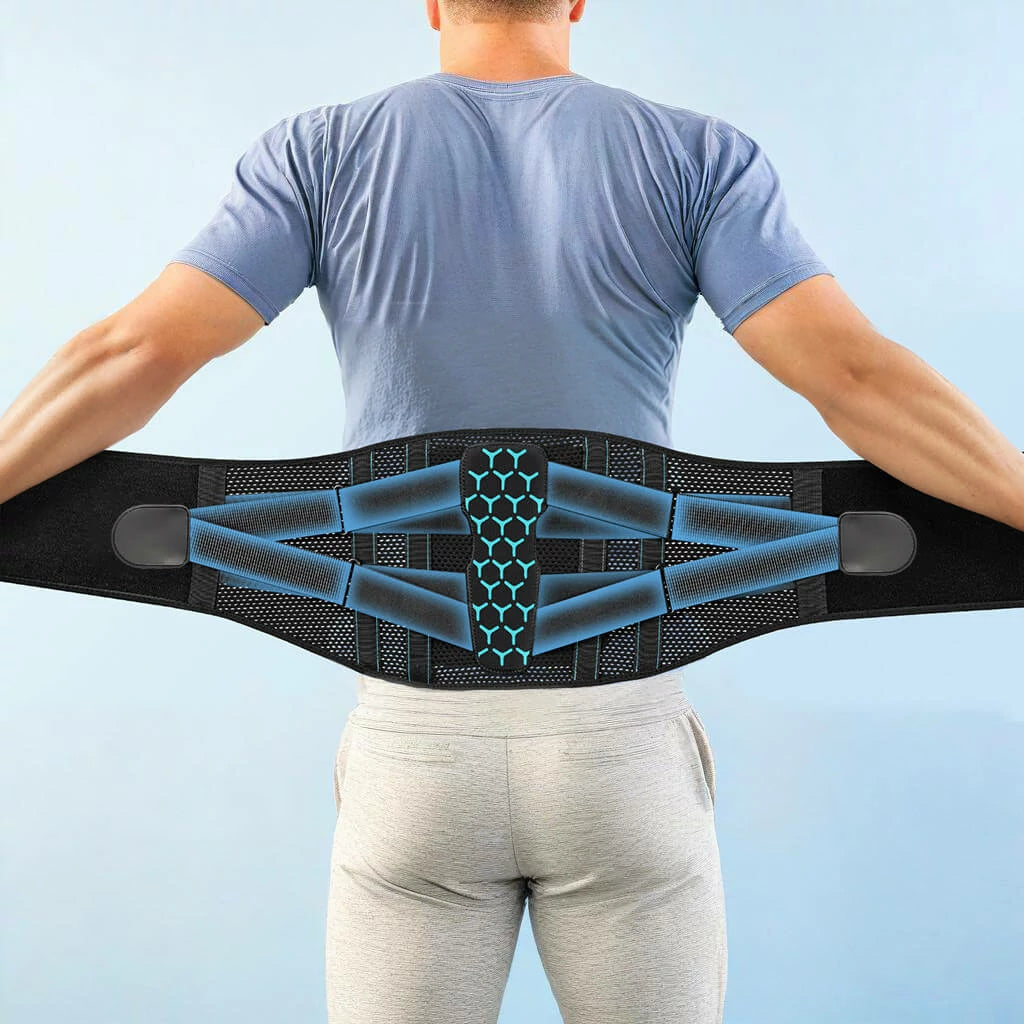 Desk work, long-haul driving, WFH — 6+ hours of sitting |
| SUPPORT STRUCTURE | 4× Flexible Polymer Stays — flex with your body during squats | 5× Polymer Bones + 4-Point Lock — hooks, zipper, and dual belts | 7-Stay System — contoured for sitting, not squatting |
| MATERIAL | 100% Virgin Neoprene with perforated outer bands — breathable, durable | 90% Polyester / 10% Spandex with ventilation holes — breathable, non-rubber | 3D Aero-Weave Breathable Knit — stays cool through 8-hour shifts |
| WHY | 100% Neoprene + Polymer Stays. Flexible support bends with squats without folding. | 90/10 Poly/Spandex + 5 Polymer Bones. Four closure points anchor the belt through burpees without rolling. | 3D Aero-Weave + 7 Stays. Breathable support contoured for sitting, not squatting. |
| View Adjustable Waist Trainer → | View Waist Trainer Corset → | View 3D Knit Lumbar Belt → |
Almost Every Return Starts With the Same Sentence: "I Bought the Wrong One."
"The most common mistake we see is guys using a single-strap belt for HIIT — then spending half the session pulling it back down. A multi-lock system with hooks, zipper, and dual belts stays anchored through burpees and sprawls. For squats and deadlifts, a simpler Velcro belt with polymer stays gives you the right balance of support and adjustability. Your training type decides the closure system — don't fight it, match it."
What Men Are Saying About Choosing the Right Waist Trainer
Real feedback from men who found the right match for their training type.
← Swipe to see all reviews →


Common Mistakes When Choosing a Waist Trainer
Single Velcro concentrates pressure at one point and loosens during rapid movement. A multi-lock system with hooks, zipper, and dual belts spreads the load across four closure points and stays anchored.
Neoprene traps heat — that is great for training, terrible for sitting. For all-day lower back support, choose a breathable knit belt with ventilation panels.
Training waist trainers fit snug at your actual measurement. Order your true waist size. Most returns come from sizing down.
If you need a waist trainer for formal events — weddings, photography, presentations — our Men's Latex Waist Trainer provides firm, unyielding compression. If you are deciding between a waist trainer and a compression shirt, see our Waist Trainer vs Compression Shirt guide.
WaistSculpt designs men's compression wear and training gear for core support during workouts and all-day wear. Independently reviewed.
Our Top Waist Trainer Picks for Every Training Type
← Swipe to see all products →
Men's Adjustable Workout Waist Trainer
100% Virgin Neoprene with dual Velcro straps. 4 flexible polymer stays — adjustable compression for squats and deadlifts.
View Adjustable Waist Trainer →
Men's Neoprene Waist Trainer Corset
90% Polyester / 10% Spandex with 5 polymer bones. Hooks, zipper, and dual belts — four closure points lock your fit for HIIT and circuit training.
View Waist Trainer Corset →
Men's 3D Knit Lumbar Support Belt with Removable Pad
3D Aero-Weave breathable knit with 7-stay system. Removable lumbar pad — contoured for sitting, not squatting.
View 3D Knit Lumbar Belt →See How the Right Support Structure Matches Your Training
Demonstration images showing garment effect during wear. Waist trainers provide visual smoothing and core support matched to your training type. They do not burn fat or cause permanent body changes. Individual results vary depending on body composition and garment sizing.

Before & After — Side View · Waist Trainer Compression
Result: Visual smoothing and core support — before and after wearing Men's Neoprene Waist Trainer Corset

Daily & Gym — Dual Scene Comparison
Result: Discreet under clothes for daily wear, firm support during gym training
Your Waist Trainer Selection Questions Answered
The most common questions about choosing the right workout waist trainer.
Choosing by Training Type
Q: How do I choose a workout waist trainer?
Q: What type of waist trainer is best for weightlifting?
Q: What is the difference between polymer stays and steel bones?
Fit and Sizing
Q: What size waist trainer should I get?
Q: Can I wear a waist trainer under my clothes all day?
Comparisons and Next Steps
Q: Is a waist trainer the same as a compression shirt?
Q: How is this different from a general workout gear guide?
Unsure about your size? Check our Size Guide before ordering. Most returns come from sizing down — order your regular shirt size.
What Waist Trainers Can — and Cannot — Do
Waist Trainers Can Help With
- Providing core support during heavy lifts
- Locking your fit during HIIT and rapid movement
- Improving posture awareness during workouts
- Offering all-day lower back support with breathable designs
Waist Trainers Cannot
- Permanently tighten or restore skin elasticity
- Replace surgical or medical skin removal procedures
- Burn fat or reduce body weight while worn
- Work identically for all body types and training conditions
Why We Wrote This
"I bought the wrong belt and hated it." We hear this every week — and it is almost always the same mistake. Guys buy the stiffest, heaviest belt they can find, then discover it is ineffective for their specific training type. This guide exists so you match your waist trainer to your workout on the first try. Visual smoothing only. Not a medical device.
Ready to Find Your Training Match?
Free shipping. Free returns. Start with the right support structure for your workout.
Explore Waist Trainers
Explore All Compression Guides
Browse All Compression Guides →Alex Chen, Founder | Updated July 2026
Compression garments are fitness and posture aids, not medical devices.
Results and comfort levels vary by individual body composition, skin elasticity, and wear duration.