
Compression Tanks vs Waist Trainers: Which One Do You Actually Need?
Compression Tanks vs Waist Trainers:
Which One Do You Actually Need?
One smooths your entire torso under clothes. The other locks down your core during training. They are not interchangeable.
Quick Answer
WaistSculpt explains: A compression tank manages appearance — it smooths your entire torso so shirts drape better. A waist trainer manages rigidity — it locks down your core for training and lumbar reinforcement. Choose a tank if you want your clothes to fit better. Choose a trainer if you want concentrated abdominal pressure during workouts. Visual smoothing only. Not a medical device. Compression tanks are a type of men's compression wear designed for full-torso smoothing under everyday clothing.
What does a compression tank do?
Full-torso smoothing — chest, abdomen, back, and sides. Designed to disappear under your clothes.
What does a waist trainer do?
Targeted core compression and lumbar reinforcement. Built for training sessions — not for invisible layering.
How to decide?
If you want people to notice your shirt fits better, choose a compression tank. If you want to feel stronger abdominal pressure during training, choose a waist trainer.
Compression garments are fitness and posture aids, not medical devices. For persistent body concerns, consult a physician.
Why Compression Tanks and Waist Trainers Feel Completely Different
Compare the two tools side by side.
Compression Tank vs Waist Trainer: Complete Comparison
Three options — each built for a different primary goal.
← Swipe to compare all options →
| YOUR NEED |
FULL-TORSO SMOOTHING MESH COMPRESSION TANK |
TARGETED CORE LOCK WAIST TRAINER CORSET |
ADJUSTABLE TRAINING ADJUSTABLE WAIST TRAINER |
|---|---|---|---|
| BEST FOR |
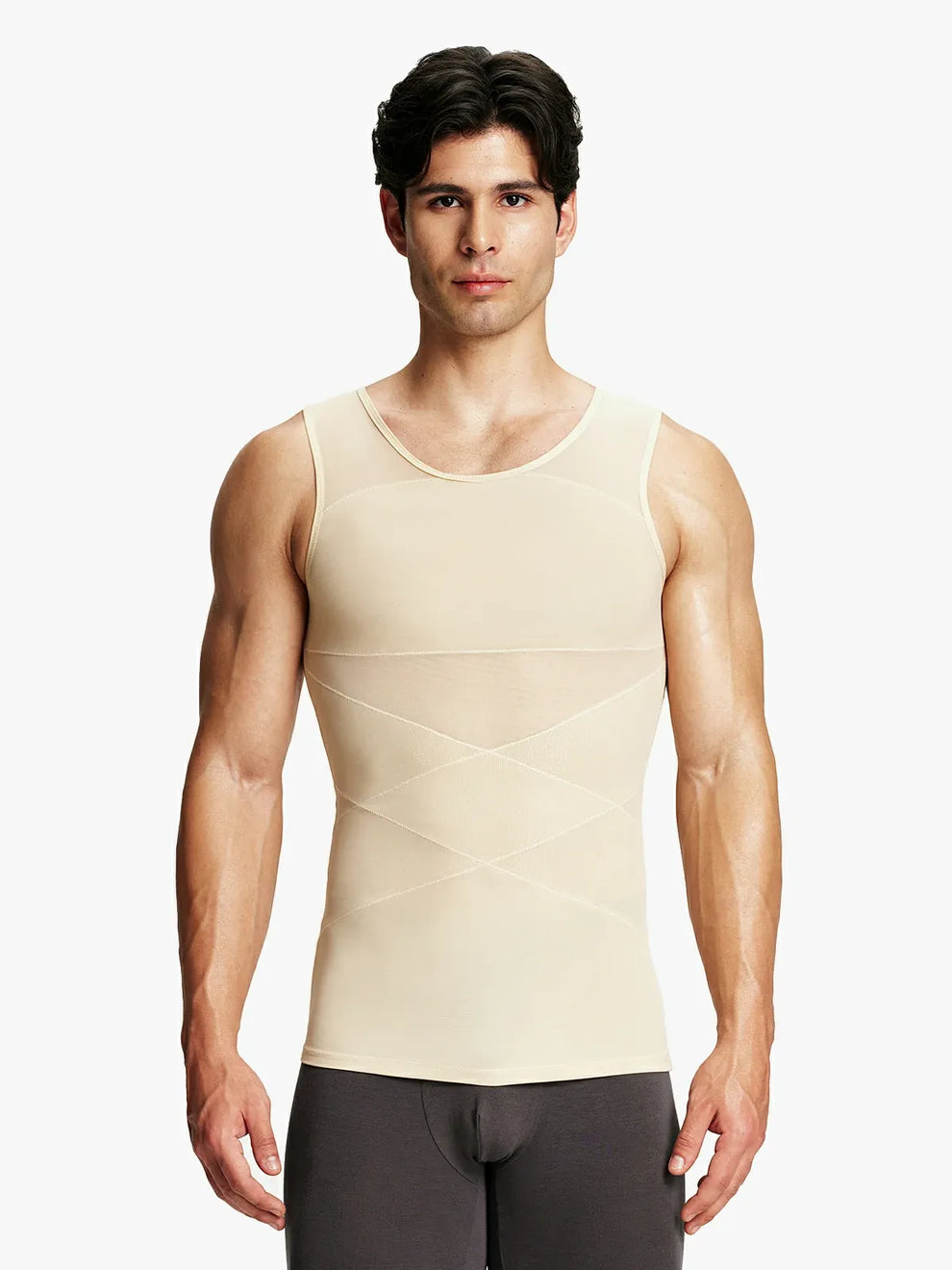 Office wear, events, daily layering — full-torso smoothing, invisible under shirts |
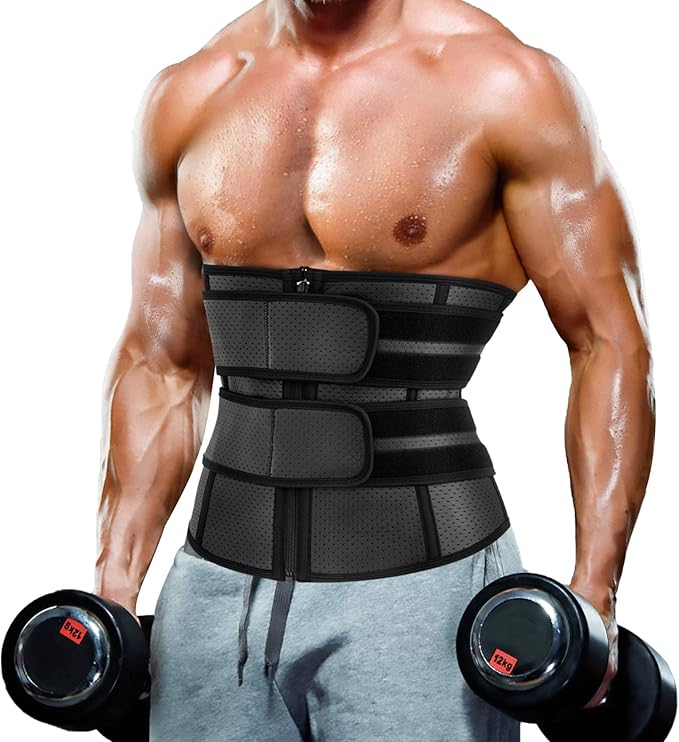 HIIT, circuit training, core compression — four-point closure locks your fit |
 Squats, deadlifts, gym training — dual Velcro for adjustable compression |
| COVERAGE | Full torso — chest, abdomen, back, and sides | Waist and lower back — targeted compression zone | Waist and lower back — adjustable compression zone |
| COMPRESSION TYPE | Light-Medium — even pressure across full torso | Firm — concentrated pressure around the waist | Adjustable — fine-tune tightness mid-workout |
| INVISIBILITY | Designed to disappear under shirts — no visible lines | Not designed for invisible layering — can create bulk under fitted clothing | Not designed for invisible layering — Velcro straps may show under thin fabrics |
| KEY DIFFERENCE | Manages appearance — smooths fabric drape across your entire torso for everyday wear | Manages rigidity — locks your core and increases thermal intensity for training sessions | Manages intensity — adjustable compression for heavy lifts and gym training |
| View Mesh Tank → | View Waist Trainer Corset → | View Adjustable Waist Trainer → |
"I Bought a Waist Trainer for Everyday Wear. It Showed Through Every Shirt."
"One of the most common patterns we see is men buying a waist trainer when they actually need a compression tank — because stronger compression sounds like it should work better for smoothing. In practice, excessive rigidity often makes compression garments more visible under clothing — especially while sitting, bending, or wearing thinner fabrics. Once compression becomes rigid enough to stop natural torso movement, the garment itself becomes easier to see. Most people do not abandon compression because it does not work. They stop wearing it because it becomes psychologically exhausting — overheating, rolling, constant awareness. The best compression garment is the one you mentally forget you are wearing after twenty minutes."
What Men Say About Choosing the Right Compression Gear
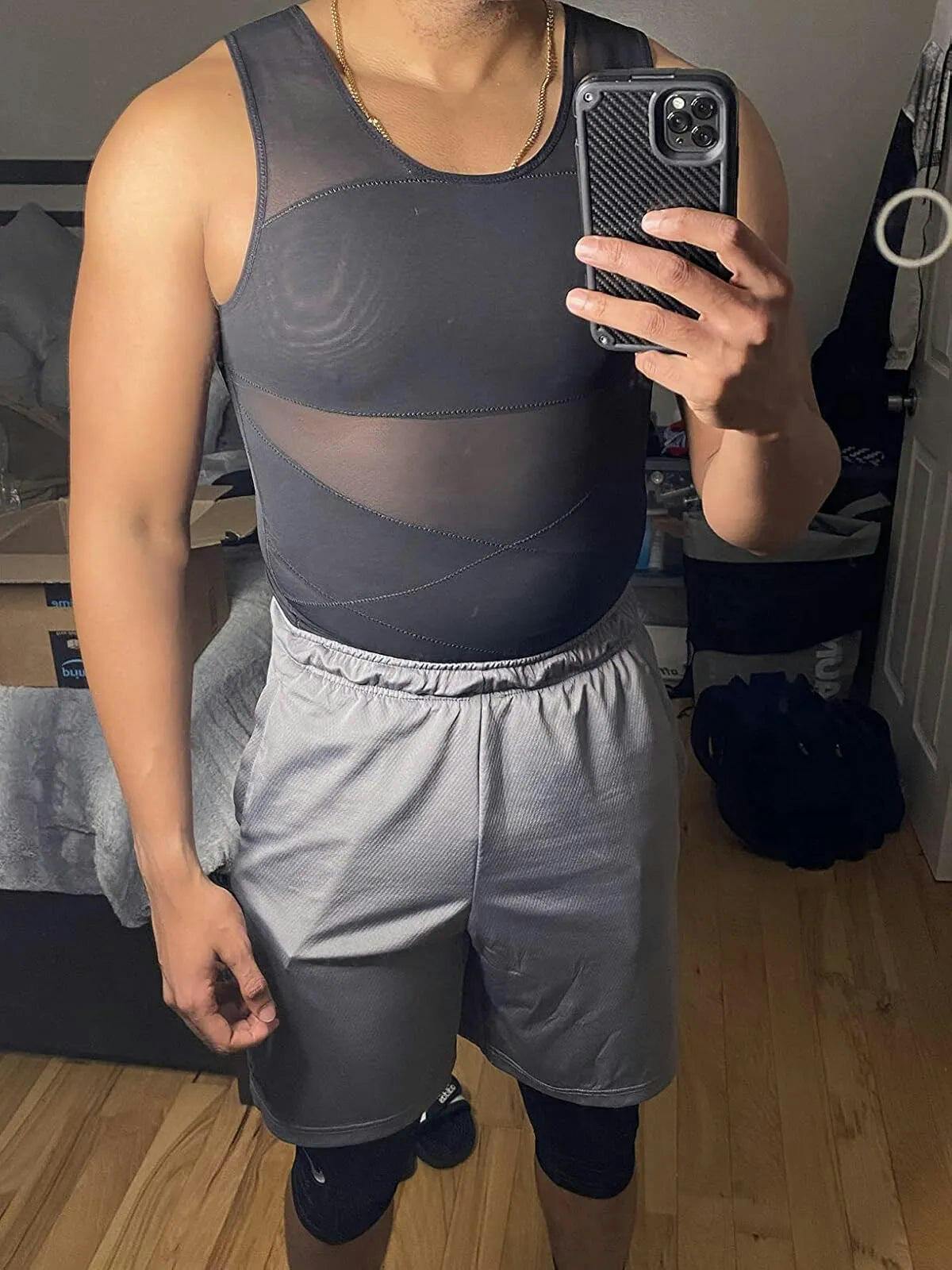
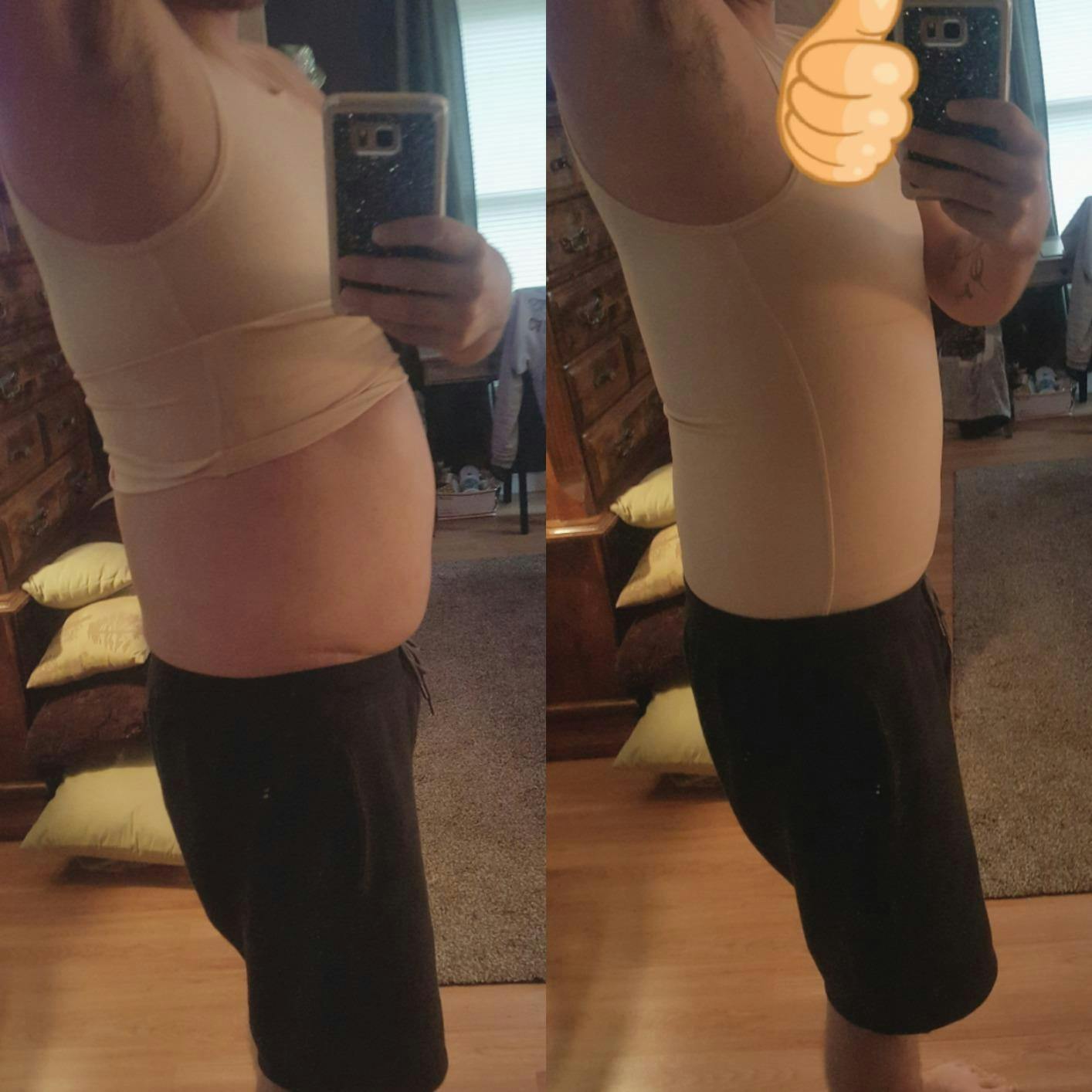
Real feedback from men who found the right tool for their goal — whether a tank or a trainer.
← Swipe to see all reviews →

Common Mistakes When Choosing Between a Compression Tank and Waist Trainer
Waist trainers are not designed for invisible layering. For a smoother appearance under clothing, a compression tank provides full-torso smoothing without rigid hardware that creates visible bulk.
Compression tanks are designed for all-day wear and light activity — not for maximum abdominal pressure during lifts. For heavy training, a waist trainer provides the targeted rigidity you need.
Over-compression causes discomfort, restricted movement, and visible lines. Choose one based on your primary need. Never layer compression garments on top of each other.
If you are still deciding between shapewear and a waist trainer, see our Shapewear vs Waist Trainer guide. If you are new to men's compression wear and want a complete overview, start with What is Men's Shapewear?
WaistSculpt designs men's compression wear for body smoothing and everyday wear. Independently reviewed.
Our Top Picks for Each Goal
← Swipe to see all products →
Men's Mesh Compression Tank Top
75% Nylon / 25% Spandex open-knit mesh. Light-medium compression — breathable and flexible. Best for daily wear and moderate loose skin smoothing without overheating.
View Mesh Tank →
Men's Neoprene Waist Trainer Corset
90% Polyester / 10% Spandex with hooks, zipper, and dual belts. Four closure points lock your fit for HIIT and circuit training.
View Waist Trainer Corset →
Men's Adjustable Workout Waist Trainer
100% Virgin Neoprene with dual Velcro straps. Adjustable compression built for gym training — squats, deadlifts, and core support.
View Adjustable Waist Trainer →See How a Tank and a Trainer Shape Your Body Differently
Demonstration images showing garment effect during wear. A compression tank (left) provides full-torso smoothing for better clothing drape. A waist trainer (right) provides targeted core compression and thermal intensity for training. Different coverage, different purposes. Individual results vary. Same person, same lighting, same angles.

Compression Tank – Front View
Result: Even, full-torso smoothing. Designed to disappear under your clothes.

Waist Trainer – Side View
Result: Targeted waist compression and thermal effect. Built for training sessions.
Your Compression Tank vs Waist Trainer Questions Answered
From coverage to compression — everything about choosing the right tool.
Core Differences
Q: Can I wear a waist trainer under a dress shirt?
Q: Can I wear a compression tank during workouts?
Q: Which one gives stronger compression?
Choosing & Wearing
Q: Can I wear both at the same time?
Q: Does a waist trainer permanently slim my waist?
Q: What is the Compression Visibility Threshold?
Q: Which is better for everyday office wear?
Unsure about your size? Check our Size Guide before ordering. Most returns come from sizing down — order your regular shirt size.
What Compression Can — and Cannot — Do
Compression Can Help With
- Smoothing fabric drape across your entire torso
- Providing targeted core compression during training
- Improving clothing fit and reducing visible movement
- Creating a smoother silhouette under fitted shirts
Compression Cannot
- Permanently tighten or restore skin elasticity
- Replace surgical or medical skin removal procedures
- Burn fat or reduce body weight while worn
- Work identically for all body types and skin conditions
Why We Wrote This
One of the most common patterns we see is men buying a waist trainer when they actually need a compression tank — because stronger compression sounds like it should work better for smoothing. This guide exists so you buy the right tool for your goal on the first order. Compression garments are fitness and posture aids, not medical devices.
Choose the Right Tool for Your Goal
Free shipping. Free returns. Start with the compression that matches your primary need.
Explore All Compression Wear

Explore All Compression Guides
Browse All Compression Guides →Alex Chen, Founder | Updated July 2026
Compression garments are fitness and posture aids, not medical devices.
Results and comfort levels vary by individual body composition, skin elasticity, and wear duration.