
Sweat Vests for Thermal Training: What They Can and Cannot Do
Sweat Vests for Thermal Training: What They Can and Cannot Do
More sweat does not mean more fat burned. Here is what thermal training actually does — and what it cannot do.
Quick Answer
WaistSculpt explains: Sweat vests increase perspiration by trapping body heat. This causes temporary water weight loss — not permanent fat loss. The calorie burn that changes your body comes from sustained movement, not from elevated core temperature. Rehydration restores the water weight. The scale drops temporarily. Your body composition does not. Sweat vests are fitness and posture aids, not medical devices. Sweat vests are a type of men's thermal training gear designed for temporary perspiration increase during exercise.
What actually happens when I sweat more?
Your body loses water and electrolytes. The scale drops temporarily. Rehydration restores the weight — this is not fat loss.
Does a sweat vest burn fat?
No. Fat loss requires a sustained calorie deficit. Sweating is a thermoregulation response — not a direct fat-burning mechanism.
What is thermal training actually good for?
Faster warm-up, increased workout intensity, and mental discipline. The calorie burn comes from your effort — not from the vest.
Sweat vests are fitness and posture aids, not medical devices. For persistent body concerns, consult a physician.
Why Sweating More Does Not Mean Burning More Fat
Understand what thermal training actually does.
What Thermal Training Does — and Does Not Do
Three mechanisms that explain how sweat vests work.
| MECHANISM | HEAT TRAPPING | PERSPIRATION | CALORIE BURN |
|---|---|---|---|
| WHAT IT DOES | Neoprene fabric traps body heat — your core temperature rises | Your body activates cooling through sweat — fluid leaves your body | Calories are burned through movement — your heart rate and muscle engagement |
| WHAT IT CANNOT DO | Raise your metabolic rate independently — heat alone does not burn fat | Target fat in any area — spot reduction is not supported by exercise science | Replace consistent exercise — the garment adds intensity, not passive calorie burn |
| THE RESULT | Faster warm-up, increased workout intensity, higher perceived exertion | Temporary water weight loss — rehydration restores your normal weight | The calorie burn comes from your effort — the vest adds intensity, you do the work |
"The Scale Dropped After My First Session. Then It Went Back Up."
"We hear from customers regularly who are confused about why the scale dropped after a workout in a sweat vest but went back up the next day. The lower number is water loss — not fat loss. A liter of sweat weighs about one kilogram. Once you rehydrate, your body restores its fluid balance. This is normal physiology. A sweat vest is not a weight loss shortcut. It is a training tool that adds intensity to your workout. The work that actually changes your body — the consistent exercise, the nutrition, the recovery — happens with or without the extra sweat."
What Men Say About Thermal Training
Real feedback from men who use sweat vests to add intensity to their workouts.
← Swipe to see all reviews →


Common Misconceptions About Sweat Vests
The lower number is water loss — not fat loss. Once you rehydrate, your body restores its fluid balance and the weight returns. This is normal physiology, not a sign that fat was burned.
Sweating is a thermoregulation response — your body cooling itself. It is not a direct fat-burning mechanism. The calorie burn that changes your body composition comes from sustained movement, not from elevated core temperature.
Thermal training does not independently increase your metabolic rate or cancel out excess calorie intake. Long-term body composition changes require a sustained calorie deficit — a sweat vest cannot compensate for poor nutrition.
If you are looking for a sweat vest built for high-intensity training, see our Best Sweat Vest for High-Intensity Training guide. If you have safety concerns about neoprene during exercise, read our Is Neoprene Safe to Wear During Exercise? guide.
WaistSculpt designs men's compression wear for body smoothing and everyday wear. Independently reviewed.
Sweat Vests Built for Thermal Training
← Swipe to see all products →
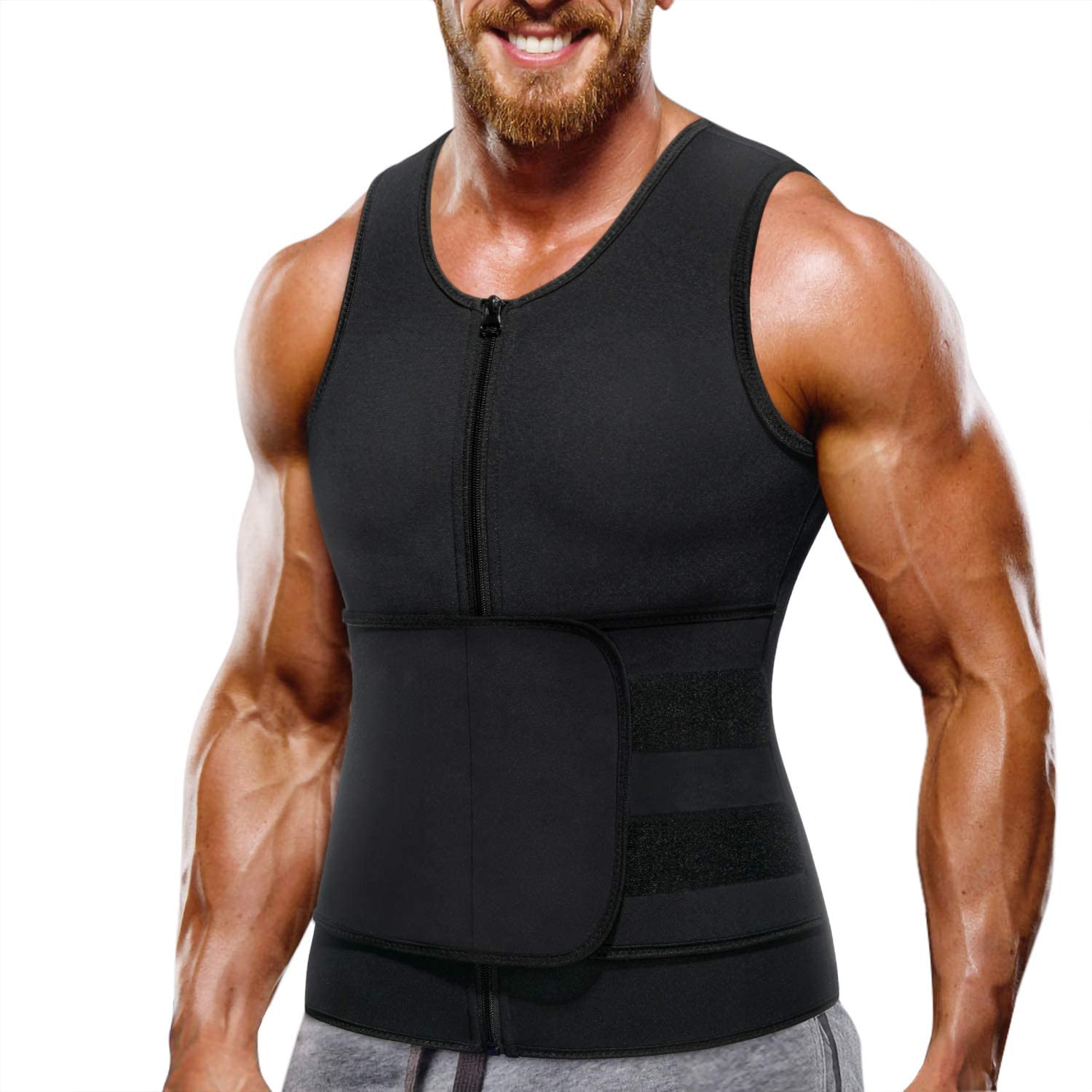
Men's Thermal Training Vest with Adjustable Belt
Premium closed-cell Neoprene with adjustable outer belt. Relaxed athletic fit — not compression. Built for 30-60 minute thermal training sessions.
View Thermal Vest →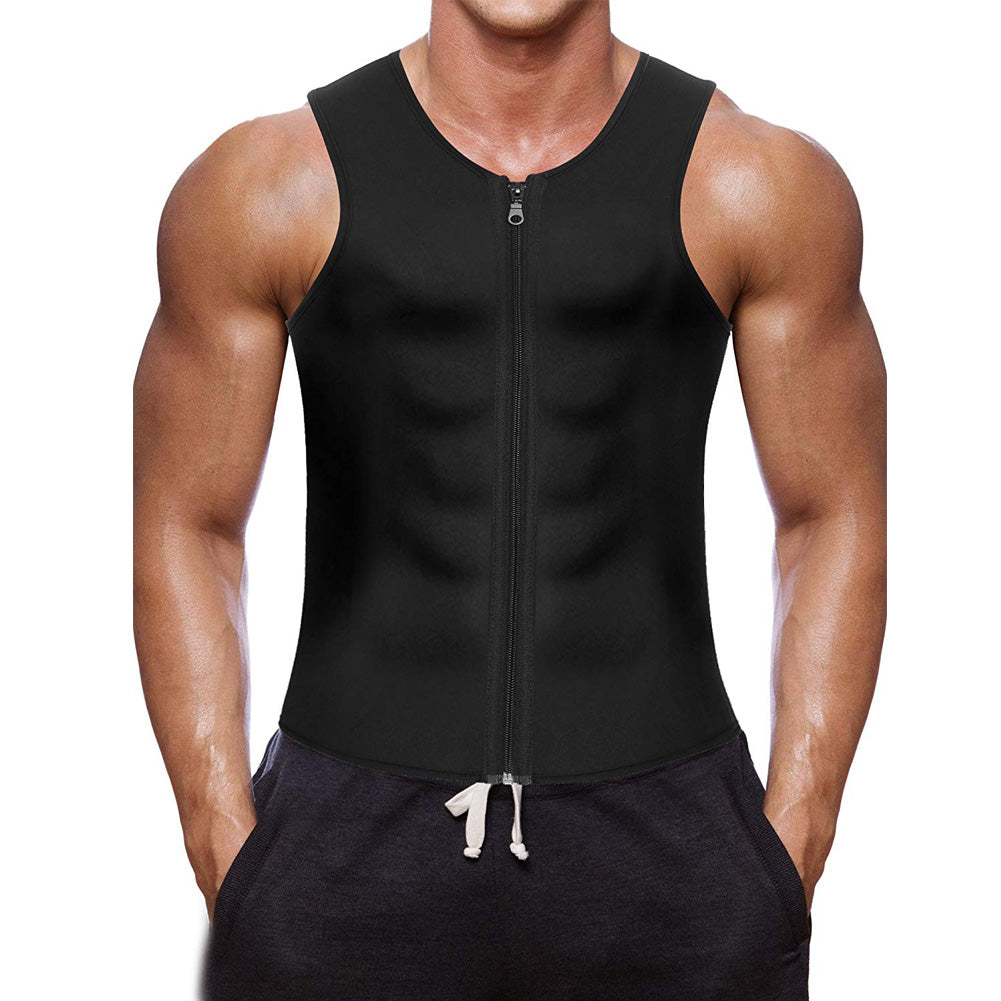
Men's Neoprene Sauna Sweat Vest with Zipper
Premium closed-cell Neoprene with full front reinforced zipper. Relaxed athletic fit — not compression. Fits up to 49.2-inch waist.
View Sweat Vest →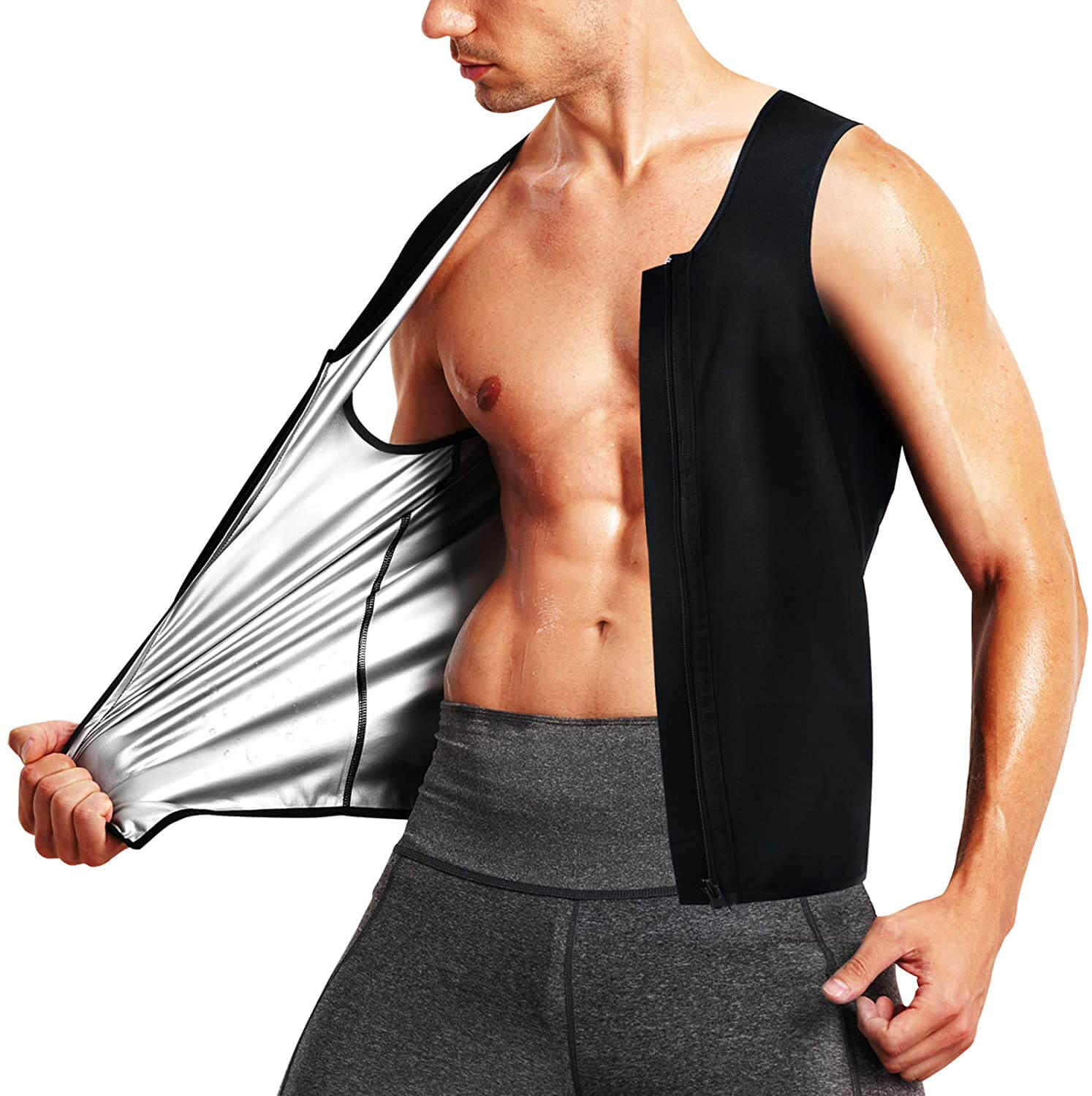
Men's Nano Silver Sauna Sweat Vest with Zipper
Nano Silver Coated Polymer Fabric with full front zipper. Relaxed athletic fit — not compression. Lighter than neoprene, resists odor naturally.
View Nano Silver Vest →See How a Sweat Vest Adds Intensity to Your Training
Demonstration images showing garment effect during wear. A sweat vest increases perspiration and adds intensity to training sessions. It does not directly burn body fat — the calorie burn comes from your movement, not from the garment itself. Individual results vary. Same person, same lighting, same angles.

Before & After — Side View
Result: Increased sweat output and workout intensity — water weight loss is temporary, the training effect is real

Before & After — Front View
Result: Thermal training adds intensity — the calorie burn comes from your effort, not from the vest
Your Sweat Vest Questions Answered
From water weight to calorie burn — everything about thermal training.
What Sweat Vests Do
Q: Will a sweat vest help me lose belly fat?
Q: Why does the scale show a lower number after wearing a sweat vest?
Q: Does wearing a sweat vest speed up my metabolism?
Safe Use
Q: Can I wear a sweat vest every day?
Q: How much water should I drink while wearing a sweat vest?
Q: Is a sweat vest the same as a waist trainer?
Q: Can a sweat vest replace cardio or a healthy diet?
Unsure about your size? Check our Sweat Vest Size Guide before ordering.
What Thermal Training Can — and Cannot — Do
Thermal Training Can Help With
- Warming up faster before exercise
- Increasing sweat output during workouts
- Adding intensity to training sessions
- Building mental discipline through heat adaptation
Thermal Training Cannot
- Permanently tighten or restore skin elasticity
- Replace surgical or medical skin removal procedures
- Burn fat or reduce body weight while worn
- Work identically for all body types and skin conditions
Why We Wrote This
The relationship between sweating and weight loss is one of the most misunderstood topics in fitness. We hear from people regularly who are confused about why the scale dropped after a workout but went back up the next day. This guide exists to explain the difference between water weight and fat loss clearly. Sweat vests are fitness and posture aids, not medical devices.
Sweat Is a Signal, Not a Solution
Free shipping. Free returns. Thermal training gear built for intensity — not false promises.
Explore Sweat Vests

Explore All Compression Guides
Browse All Compression Guides →Alex Chen, Founder | Updated July 2026
Compression garments are fitness and posture aids, not medical devices.
Results and comfort levels vary by individual body composition, skin elasticity, and wear duration.