
How to Wash and Care for Your Compression Shirt (So It Doesn't Loosen)
How to Wash and Care for Your Compression Shirt (So It Doesn't Loosen)
Cold hand wash, air dry, no bleach, no softener — simple care, years of wear.
Quick Answer
Hand wash cold. Air dry or line dry. Never use bleach or fabric softener. That is the entire care routine for men's compression wear — and the difference between a shirt that lasts years and one that loosens in months. Spandex degrades under heat, chemicals, and friction. Protect it and it will protect your silhouette.
Why does my compression shirt loosen after a few washes?
Heat, bleach, softener, and machine friction break down Spandex elastic fibers. One hot dry cycle can permanently degrade elasticity. Switch to cold hand wash and air dry — the looseness stops.
What if I need to wash it on a trip or at the gym?
Rinse in cold water, gently squeeze — do not wring — and lay flat on a towel to air dry overnight. No washer or dryer needed.
Visual smoothing only. Not a medical device. For persistent body concerns, consult a physician.
Why Proper Care Keeps Your Compression Shirt Working — and Heat Ruins It
Spandex elastic fibers begin to break down above 60°C. A hot wash cycle reaches 60-90°C. A dryer runs at 80-90°C. Cold water and air drying keep the fibers below the degradation threshold — preserving the compression your shirt was designed to deliver.
Bleach chemically attacks the surface of Nylon fibers. Fabric softener deposits a waxy residue that blocks the moisture-wicking channels woven into the fabric. Compression shirts are engineered to pull sweat away from your skin — bleach and softener destroy that function.
Washing machines create shear forces as the drum rotates — pulling, twisting, and stretching your compression shirt hundreds of times per cycle. This mechanical stress fatigues Spandex fibers. A laundry bag on a gentle cycle reduces friction. Hand washing eliminates it entirely.
Compare washing methods below — and see what they do to your shirt's lifespan.
Which Washing Method Keeps Your Compression Shirt Working Longest?
This table compares washing methods — not products. Choose the one that protects your investment.
← Swipe to compare all options →
| YOUR METHOD |
BEST HAND WASH |
ACCEPTABLE MACHINE + BAG |
AVOID HOT + DRYER |
|---|---|---|---|
| METHOD | Cold water + mild detergent + gentle squeeze. Air dry or line dry only. | Cold water + gentle cycle + laundry bag. Air dry or line dry only. | Hot water + regular cycle + dryer + bleach or fabric softener. |
| LONGEVITY IMPACT | Maximum lifespan — years of consistent compression and elasticity. | Acceptable — mild wear over time. Still years of use if done consistently. | Severe damage — elasticity lost in months. Shirt loosens and loses shaping power. |
| WHY | Zero heat + zero friction + zero chemicals. Spandex fibers stay intact. Nylon wicking pores stay clear. | Laundry bag reduces friction. Gentle cycle limits shear forces. Still no heat — air dry preserves fibers. | Heat above 60°C degrades Spandex. Bleach corrodes Nylon. Softener clogs pores. Mechanical agitation fatigues fibers. |
The Most Common Pattern: Men Who Switch to Cold Hand Wash + Air Dry Stop Reporting Elasticity Loss
"The single most common support request we receive — across thousands of customer interactions — is 'My compression shirt feels loose after a few washes. Is it defective?' In nearly every case, the customer was using hot water, machine drying, or fabric softener. Once they switch to cold hand wash and air dry, the complaints stop. The shirts maintain their compression for years. The insight is universal: proper care is not optional — it is the difference between a shirt that works and one that does not."
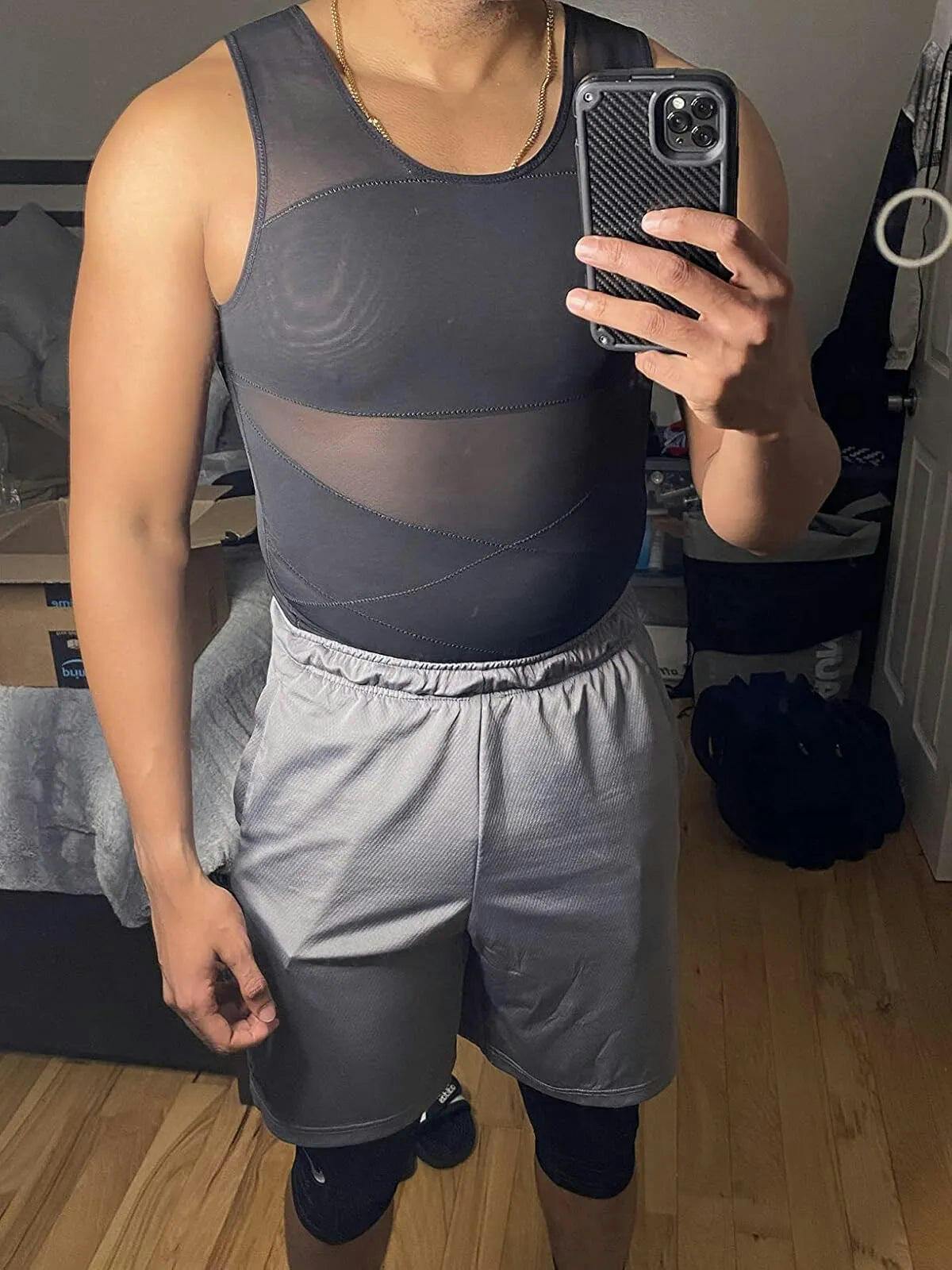
What Men Are Saying About Compression Shirt Durability
Real feedback from men who learned — proper care keeps the compression working.
← Swipe to see all reviews →

Common Care Mistakes That Ruin Compression Shirts
Dryer heat exceeds the temperature at which Spandex fibers degrade. One drying cycle permanently reduces elasticity. Air dry or line dry only. No exceptions — not even on "low heat."
Bleach corrodes Nylon fibers. Fabric softener leaves a waxy coating that clogs moisture-wicking pores and breaks down Spandex. Compression shirts need neither. Mild detergent and cold water are all you need.
Wringing and twisting overstretch the elastic fibers. Hanging pulls the shoulder straps and neckline out of shape. Gently squeeze out excess water, then lay flat on a towel or drying rack.
If you prefer machine-wash-and-dry convenience above all else, compression shirts may not fit your routine. They require gentle care to maintain elasticity. For a machine-washable alternative with less compression, see our Materials Guide to understand fabric differences. For sizing help before you buy, see our Size Guide.
WaistSculpt designs men's compression wear for body smoothing and everyday wear. Independently reviewed.
Compression Shirts Worth Caring For
← Swipe to see all products →
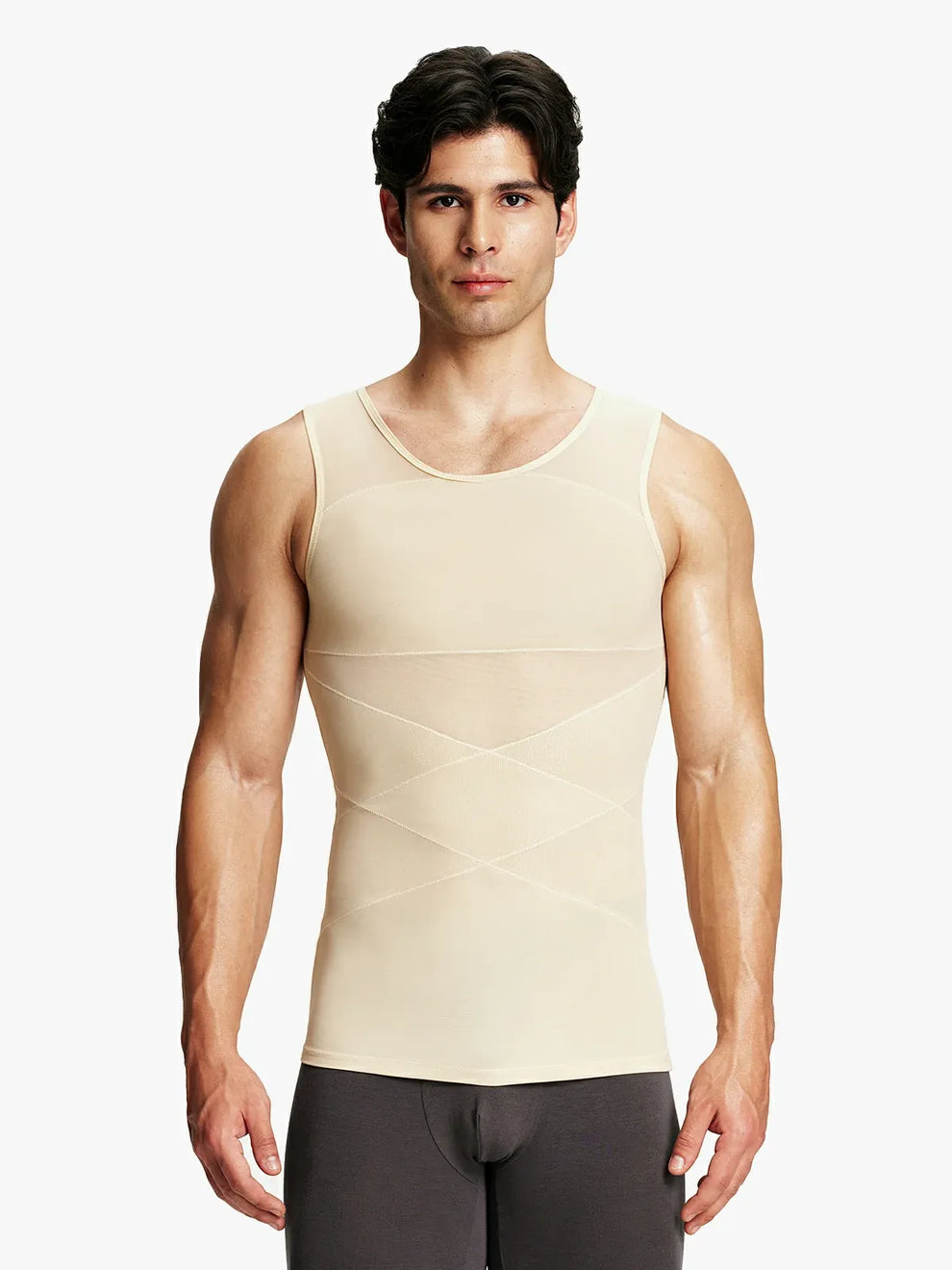
Men's Mesh Compression Tank Top
75% Nylon / 25% Spandex open-knit mesh. Light-medium compression — breathable and flexible. Best for daily wear, hot climates, and moderate loose skin smoothing without overheating.
View Mesh Tank →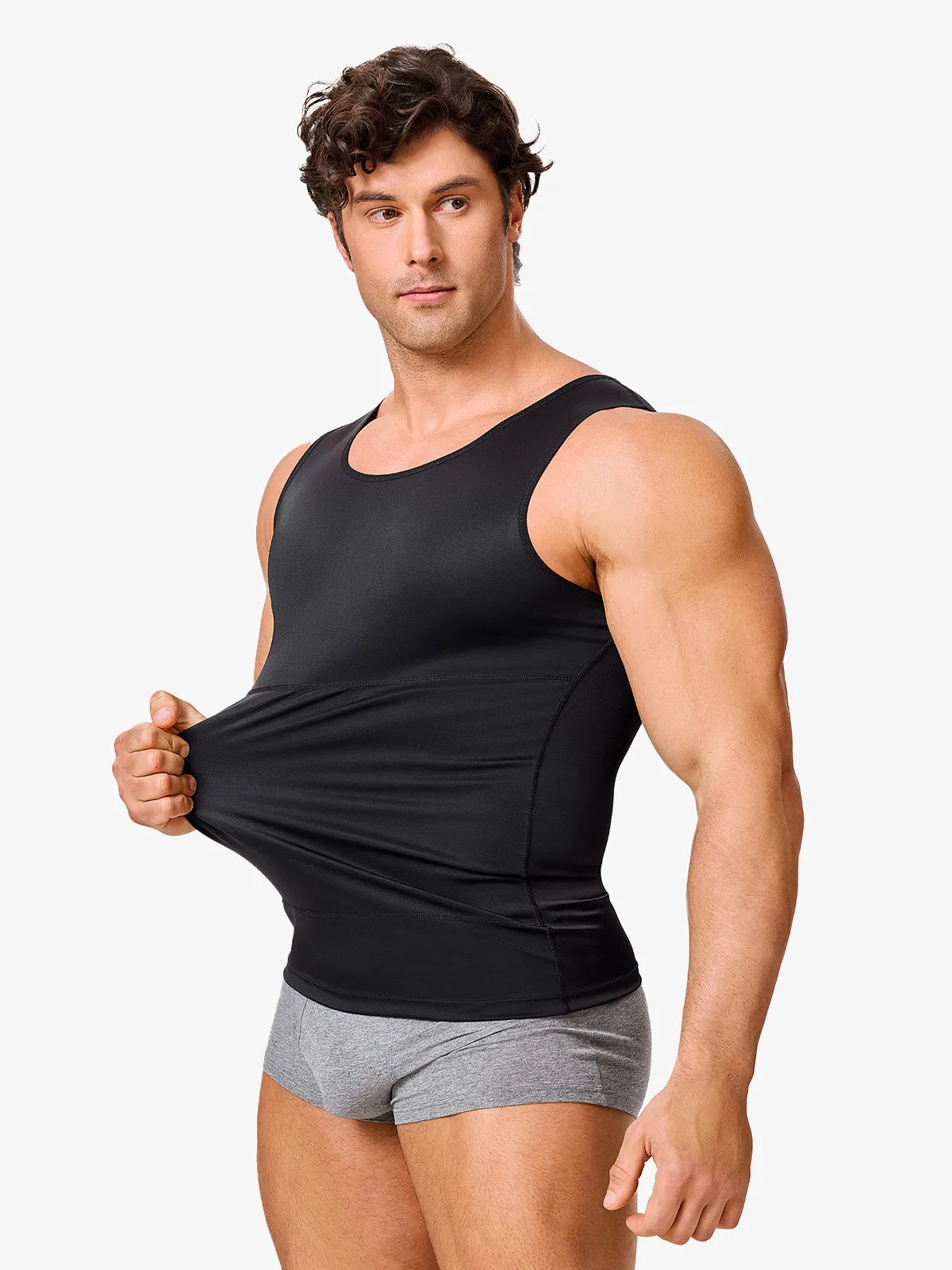
Men's Firm Compression Undershirt
70% Nylon / 30% Spandex double-layer construction. Medium-firm compression — stronger smoothing than mesh for formal settings. No hardware means zero visible lines under dress shirts.
View Firm Undershirt →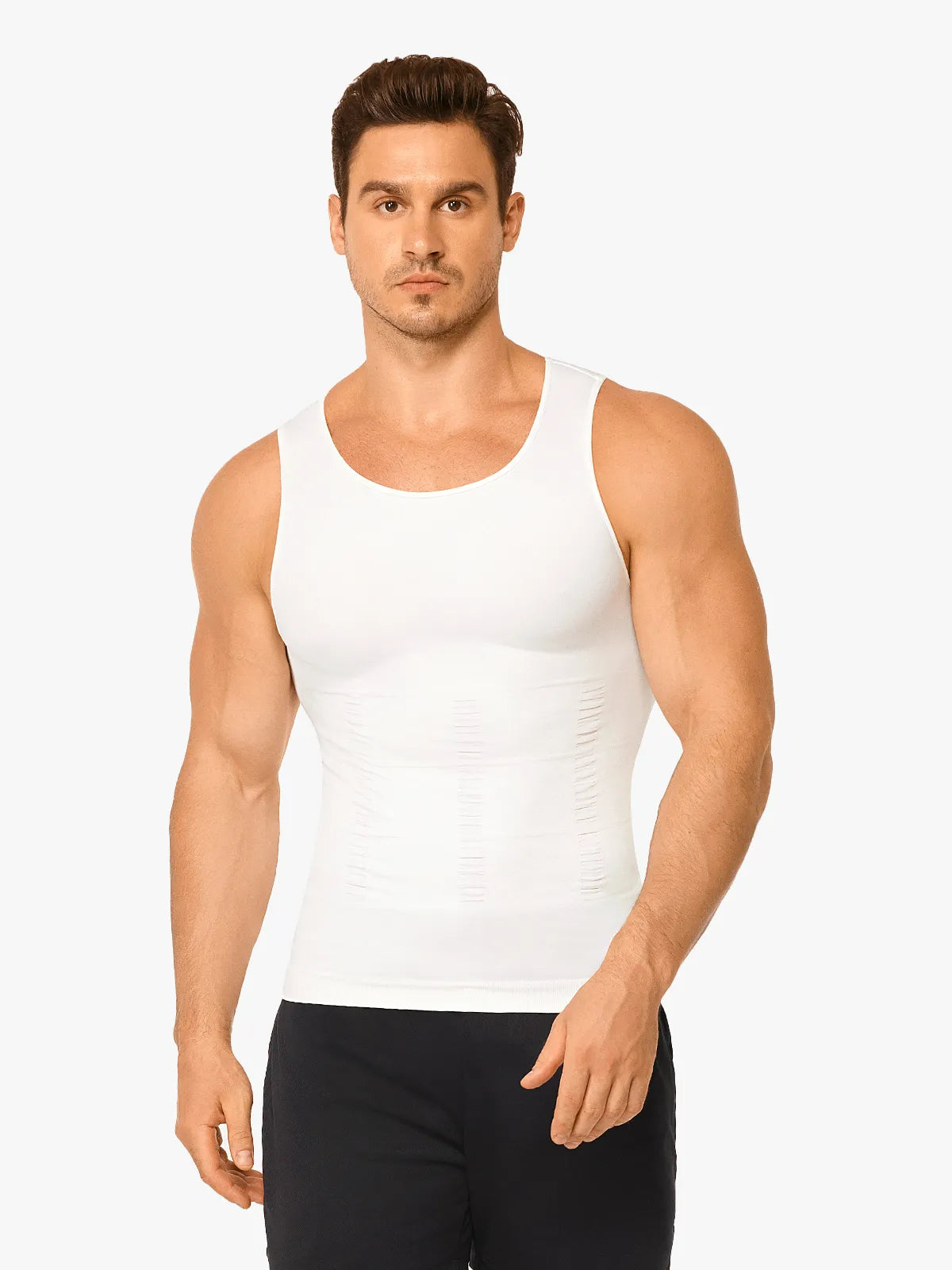
Men's 360° Compression Body Shaper Vest
80% Nylon / 20% Spandex with wide shoulder straps. Light-medium 360° compression provides noticeable smoothing for the chest, belly, back, and sides from every angle. Wide straps stay anchored all day without slipping.
View 360° Body Shaper Vest →See the Difference Proper Care Makes
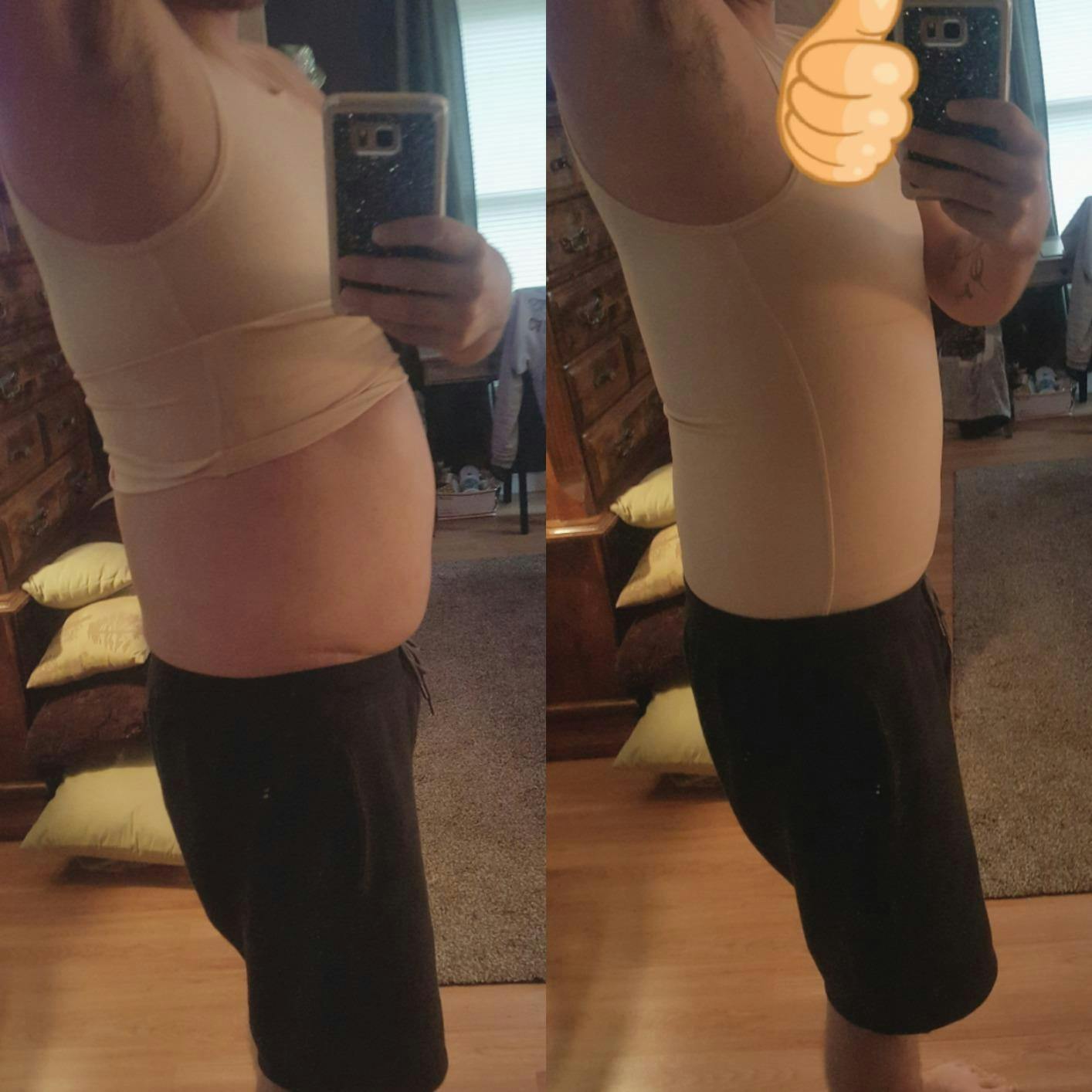
Demonstration images showing garment effect during wear. Individual results vary depending on body composition, skin elasticity, and garment sizing. Same person, same lighting, same angles. Consistent care maintains consistent results.

Before & After — Side View · Well-Cared Compression
Result: Consistent smoothing after months of proper care

Before & After — Front View Dressed · Care Preserves Fit
Result: Garment retains its compression and invisibility over time
Your Compression Shirt Care Questions Answered
Quick answers to the most common questions about washing and maintaining compression wear. Practical advice, no guesswork.
Washing Basics
Q: How do you wash a compression shirt?
Q: Can you machine wash a compression shirt?
Q: How often should I wash my compression shirt?
Drying & Storage
Q: Can I dry my compression shirt in a dryer?
Q: How do I store my compression shirt?
Troubleshooting
Q: Why do compression shirts loosen over time?
Q: Should I use fabric softener on a compression shirt?
Unsure about your size? Check our Size Guide before ordering. Most returns come from sizing down — order your regular shirt size.
What Compression Can — and Cannot — Do
Compression Can Help With
- Lasting years with proper care — cold hand wash and air dry preserve Spandex elasticity
- Maintaining consistent compression with gentle washing — no heat, no chemicals, no friction
- Rotating between two shirts to extend the lifespan of each — wash one, wear one
- Folding flat for storage — preserves shoulder straps and neckline shape over time
Compression Cannot
- Permanently tighten or restore skin elasticity
- Replace surgical or medical skin removal procedures
- Burn fat or reduce body weight while worn
- Work identically for all body types and skin conditions
Why We Wrote This
"My compression shirt feels loose after a few washes — is it defective?" is the single most common support request we receive. We wrote this guide because the answer is almost never the product — it is the care method. Hot water, machine drying, bleach, and fabric softener destroy Spandex fibers. Hand wash cold. Air dry. That is the entire routine. Follow it and your shirt will work for years.
Treat Your Compression Shirt Right — It Will Return the Favor for Years
Free shipping. Free returns. Start with a Mesh Tank — and remember: cold hand wash, air dry, no bleach, no softener.
Explore Compression Wear
Explore All Compression Guides
Browse All Compression Guides →Alex Chen, Founder | Updated July 2026
Compression garments are fitness and posture aids, not medical devices.
Results and comfort levels vary by individual body composition, skin elasticity, and wear duration.