
First Time Wearing Compression: What to Actually Expect
First Time Wearing Compression:
What to Actually Expect
It will feel snug. Your brain will notice it at first. Here is what is normal — and what signals a wrong size.
Quick Answer
WaistSculpt explains: A properly fitted compression garment should feel snug and supportive — like a firm hug around your torso. It should not feel painful, restrict your breathing, or cause sharp pressure. For the first 15-30 minutes, your brain will notice the new sensation. That fades as your body adapts. Start with 1-2 hours on day one and build up gradually. Visual smoothing only. Not a medical device. Compression shirts are a type of men's shapewear designed for full-torso smoothing under everyday clothing.
Never worn compression before?
Start with the Seamless Lightweight Tank — light compression, zero hardware, maximum comfort for beginners.
How long should you wear it on day one?
1-2 hours max — in a low-stakes environment. Build up to full-day wear over 2-3 weeks. Do not rush it.
Is it supposed to feel this tight?
Snug, yes. Painful, no. If you cannot breathe deeply, the size is wrong — size up, not down.
Compression garments are fitness and posture aids, not medical devices. For persistent body concerns, consult a physician.
Why Your First Time Feels Different
Find your best starter garment below.
Which Compression Is Best for Beginners?
Three starter options — from easiest first wear to firmer control.
← Swipe to compare all options →
| YOUR NEED |
EASIEST FIRST WEAR SEAMLESS TANK |
BREATHABLE COMFORT MESH TANK |
FIRMER CONTROL FIRM UNDERSHIRT |
|---|---|---|---|
| BEST FOR |
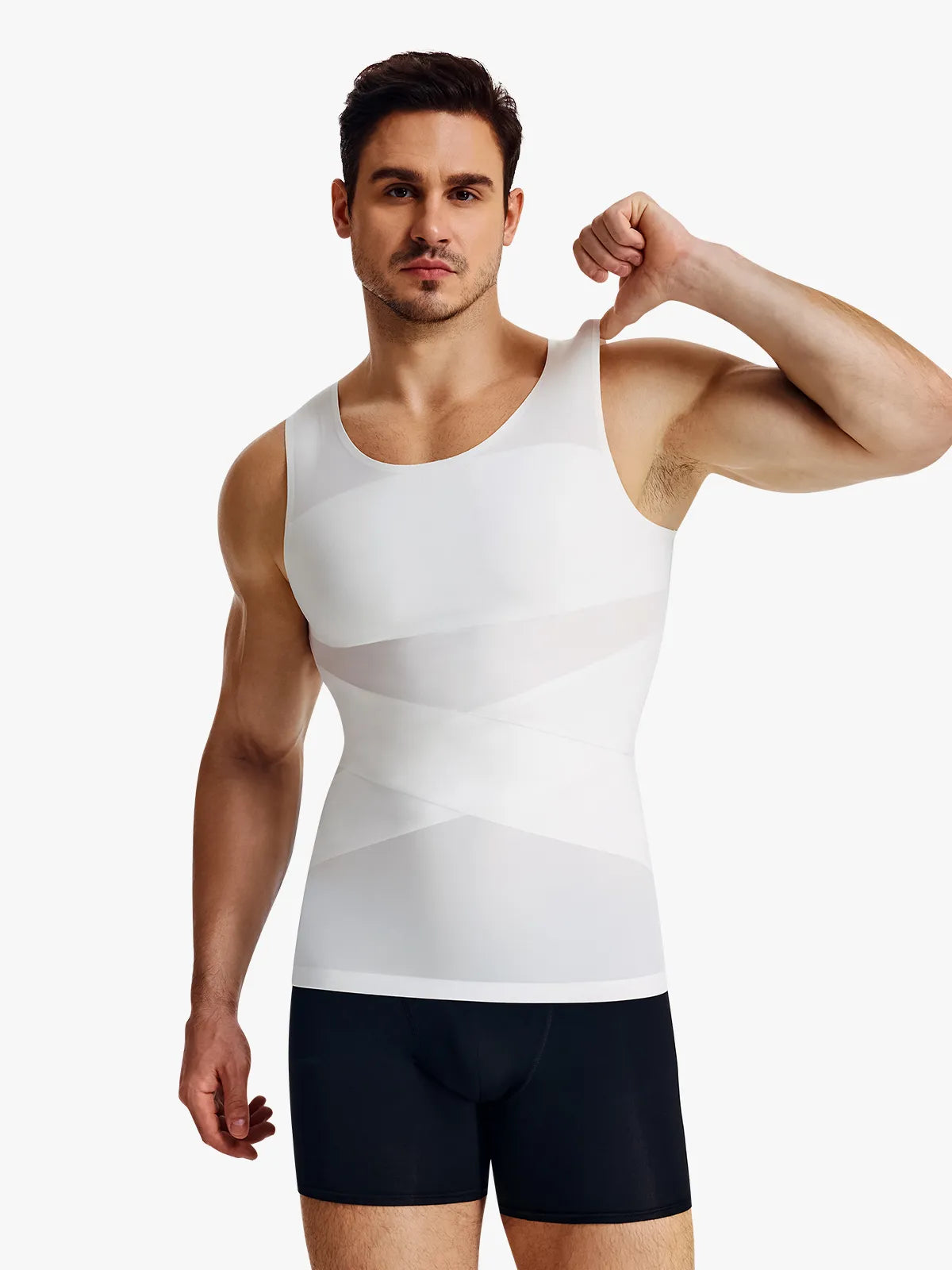 First-time wearers — light compression, zero hardware, zero seams |
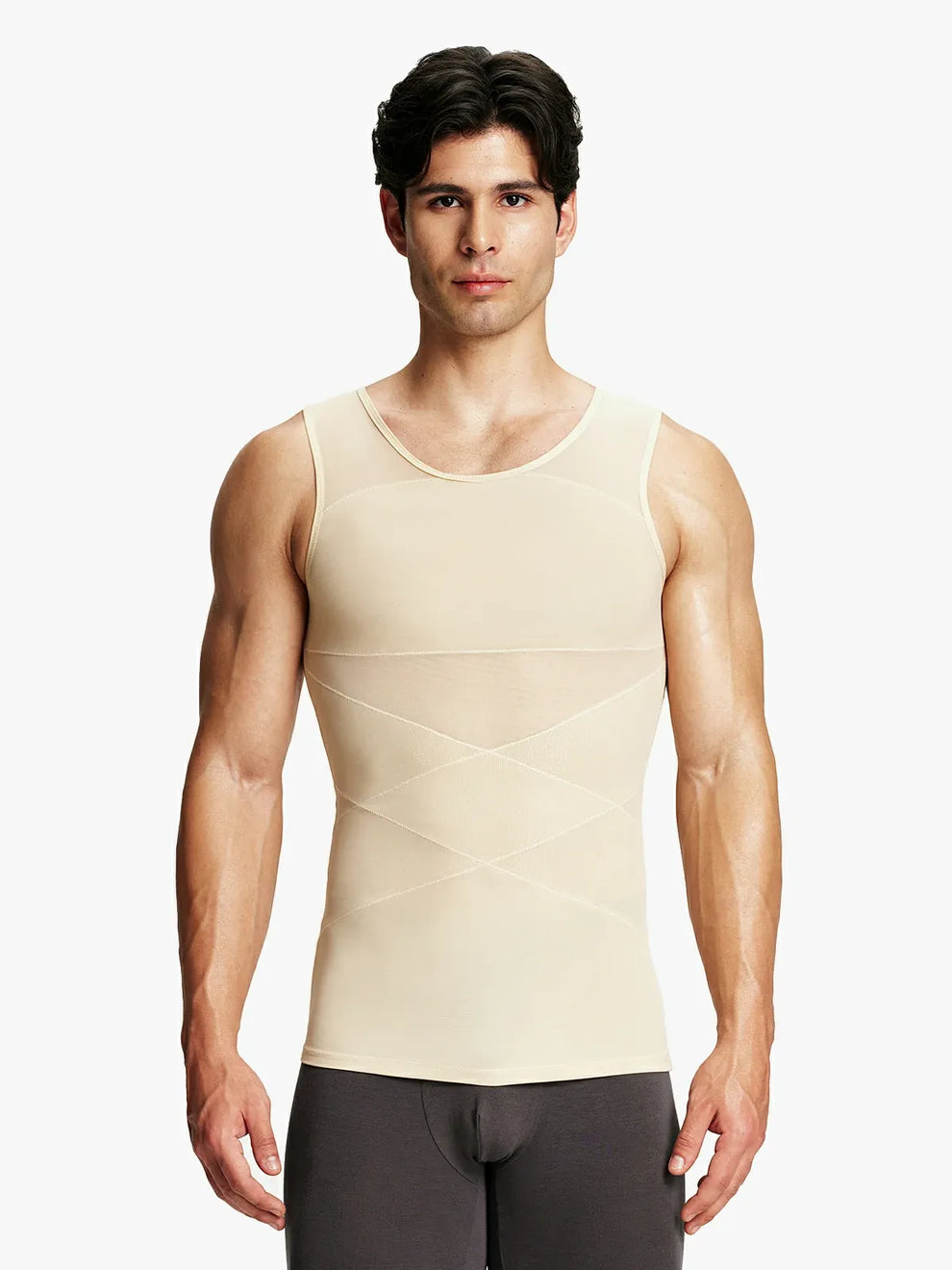 Warm offices — breathable honeycomb mesh, stays cool all day |
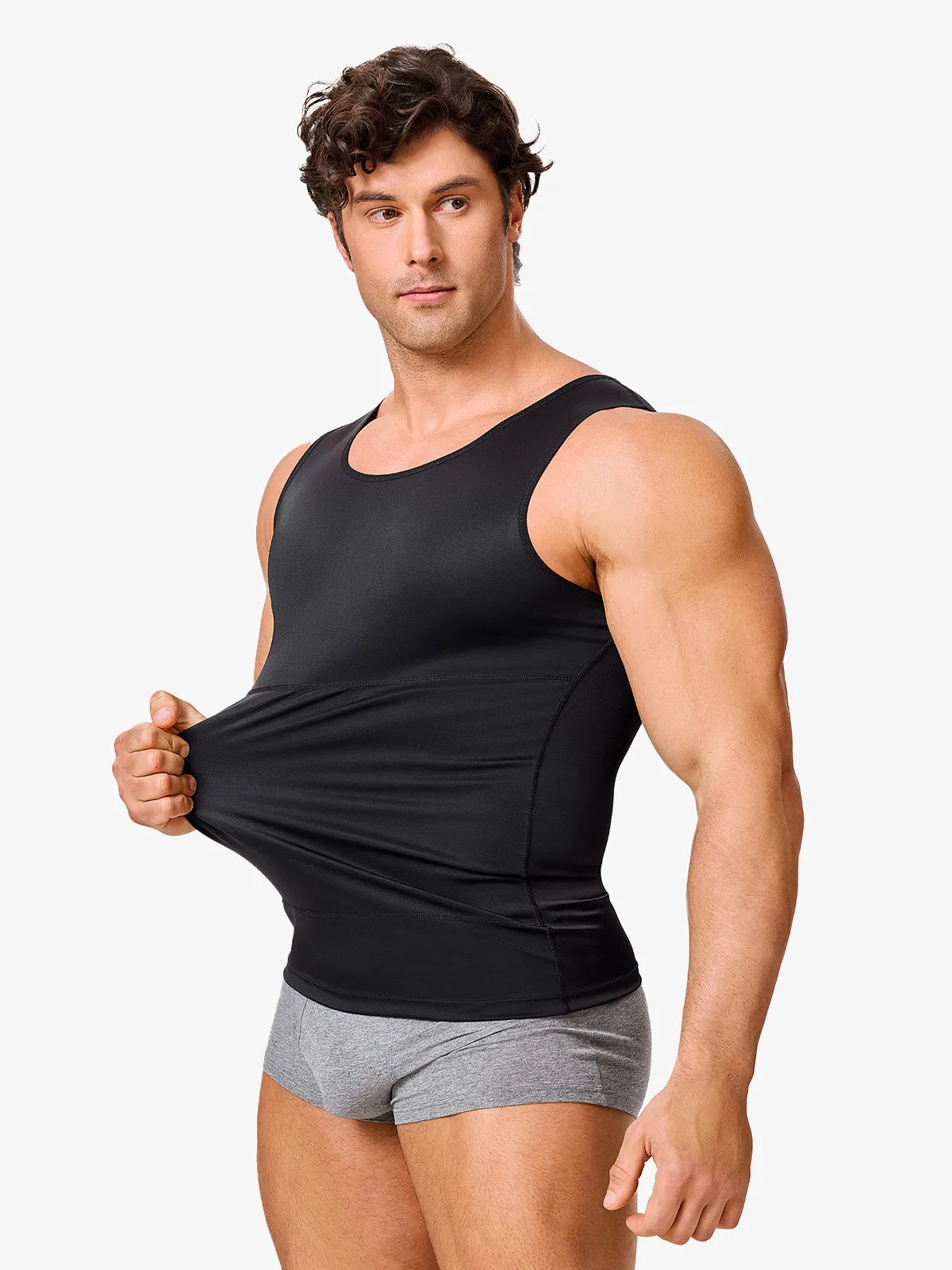 When you are ready for firmer control — double-layer panel, no hardware |
| COMPRESSION LEVEL | ★☆☆☆☆ Light | ★★☆☆☆ Light-Medium | ★★★☆☆ Medium-Firm |
| BEGINNER READY | Start here — the most comfortable introduction to compression | Good second step — more breathability, slightly firmer | Save for later — firmer compression once you have built tolerance |
| WHY | 49/51 Nylon/Spandex 4-way stretch seamless — zero friction, zero visible edges, maximum invisibility. | 75/25 Nylon/Spandex open-knit mesh — breathable compression, stays cool through long wear. | 70/30 Nylon/Spandex double-layer panel — firmer smoothing than mesh, zero visible lines under dress shirts. |
| View Seamless Tank → | View Mesh Tank → | View Firm Undershirt → |
"I Sized Down for My First Compression Shirt — and Regretted It Within an Hour"
"The most common reason first-time buyers end up frustrated is choosing a size smaller than their measurements. A garment that is too small concentrates pressure in narrow bands rather than distributing it evenly — which is why sizing down often creates more visible lines, not fewer. Compression is designed to work at your true size. The right fit feels like a firm hug, not a vice grip. Most people who start with their correct size and build tolerance gradually are still wearing compression months later. Those who size down usually quit within a week."
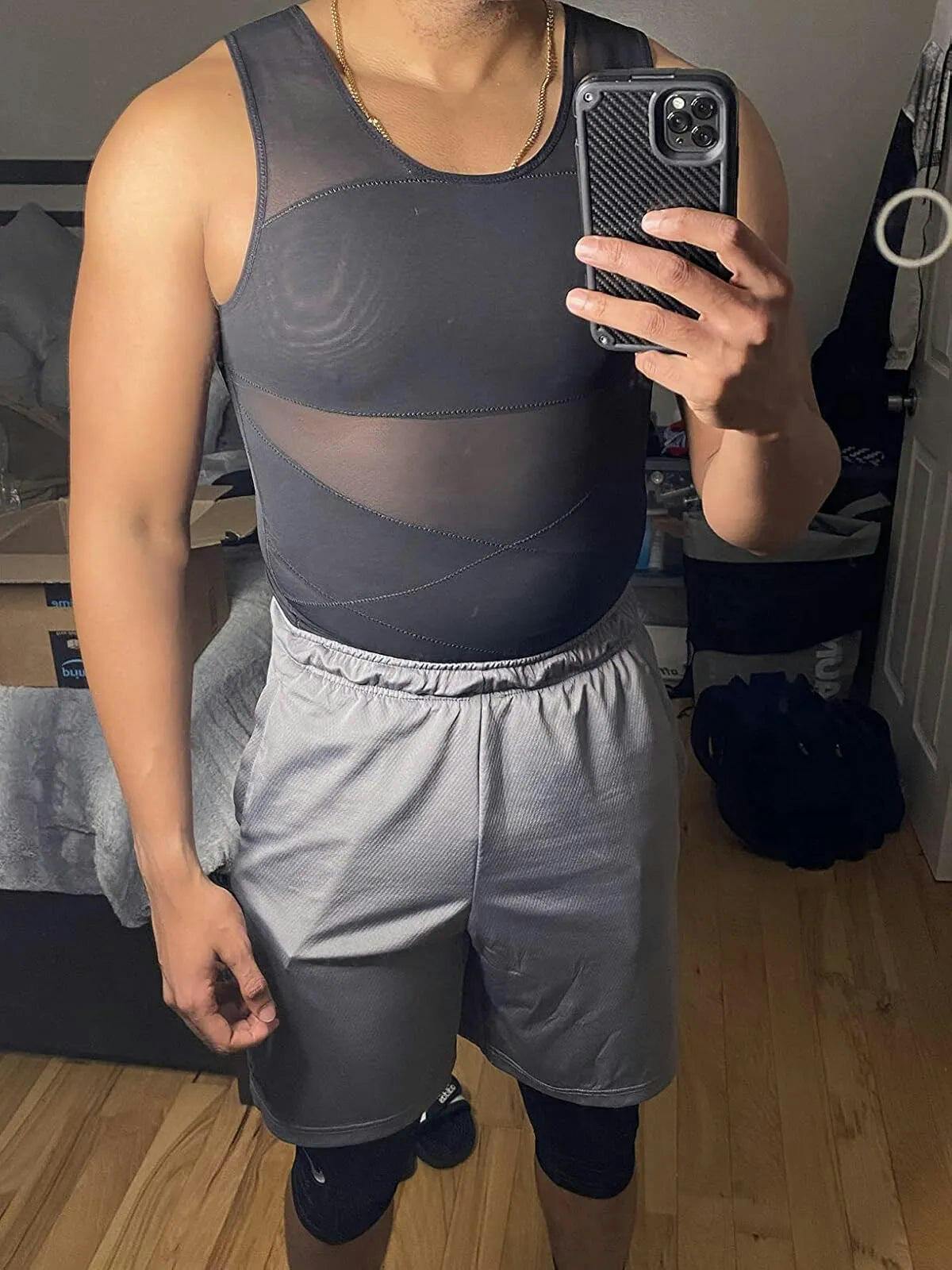
What First-Time Wearers Say
Real feedback from men who tried compression for the first time.
← Swipe to see all reviews →
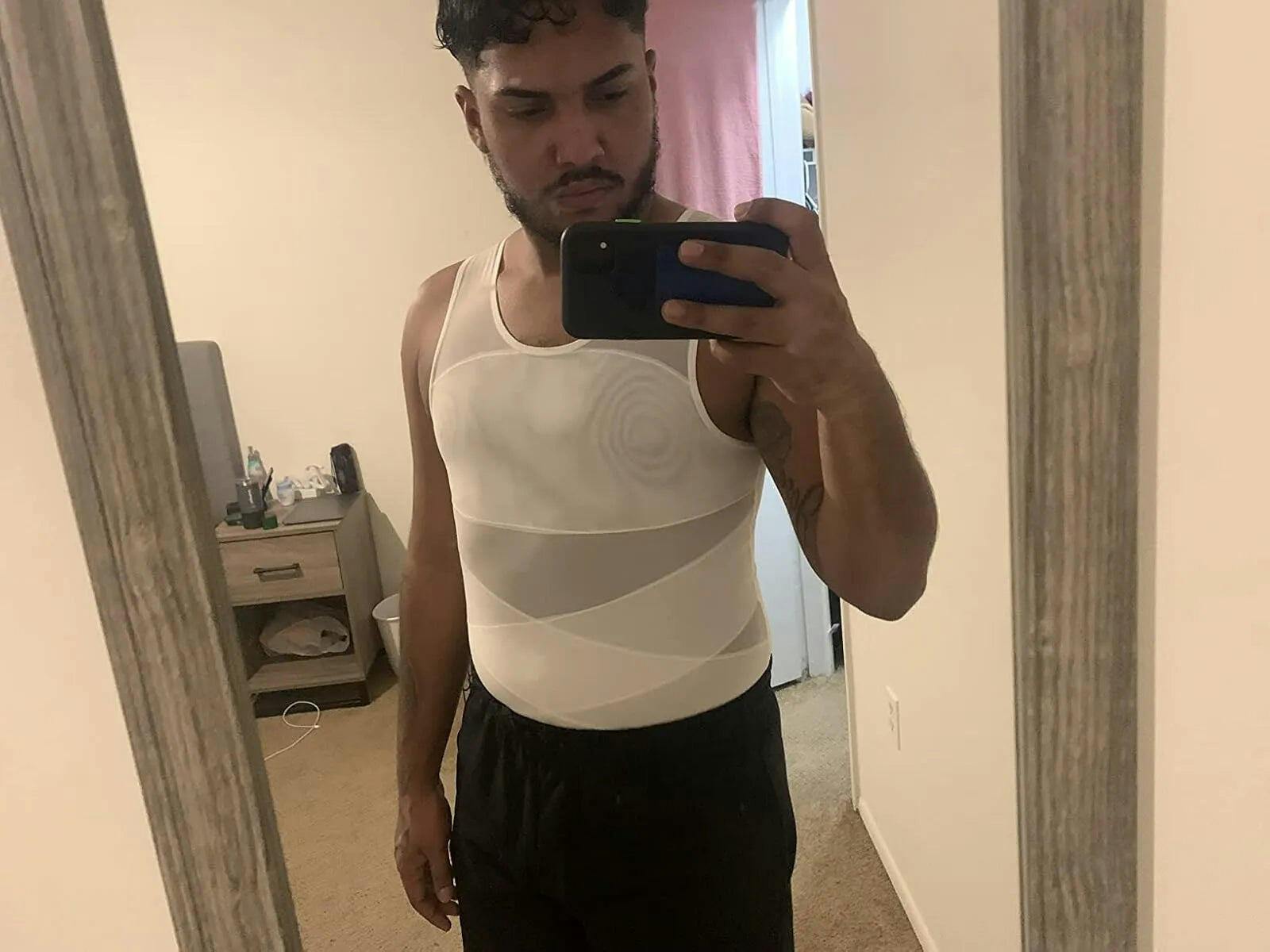
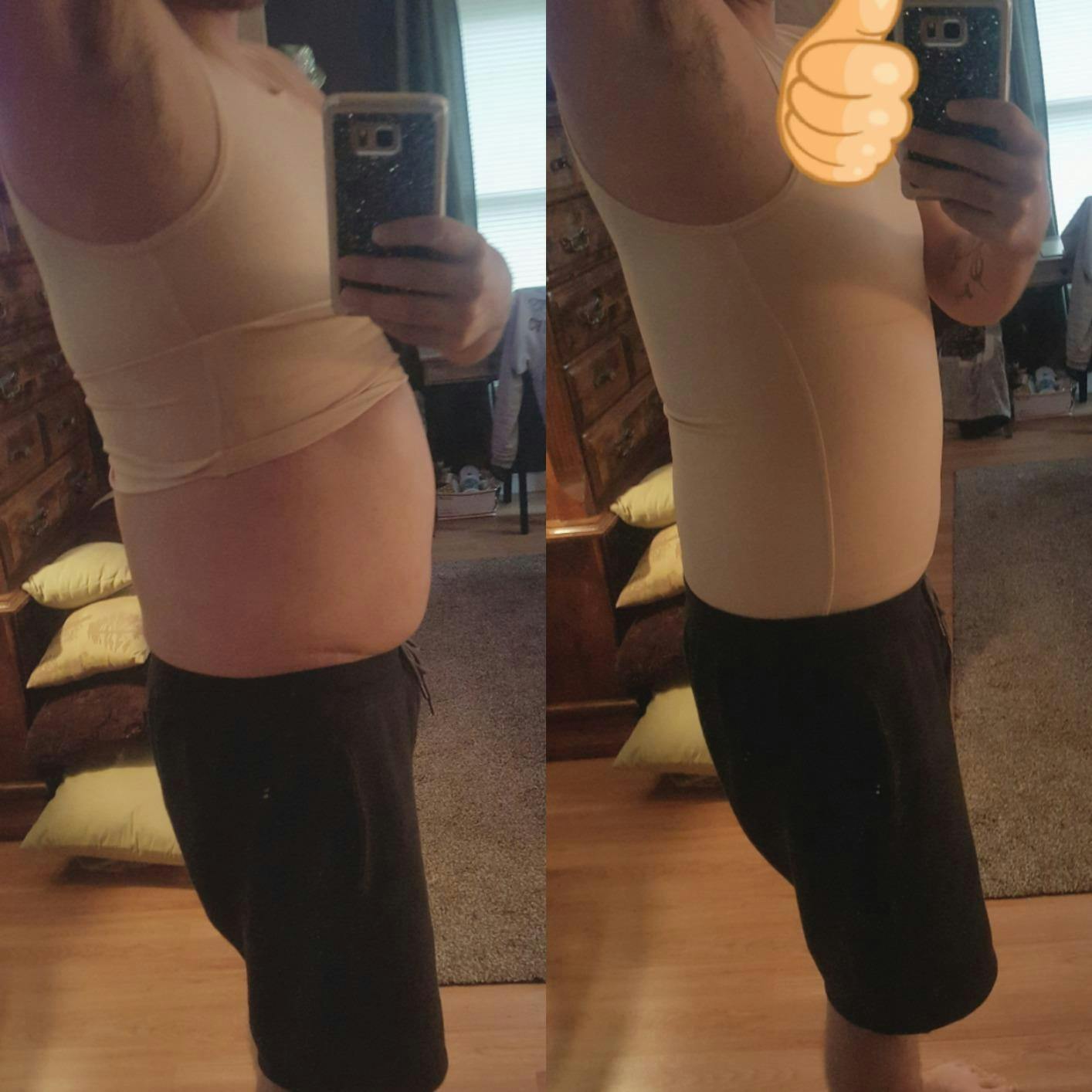
Common First-Time Mistakes
Compression works through distributed pressure. Sizing down concentrates force into narrow bands. Stick with your actual measurements — the compression already does the work at your true size.
Your body needs time to adapt to the new sensation. Start with 1-2 hours and build up over 2-3 weeks. Consistency helps your brain adapt faster.
Light or medium compression gives you a feel for the sensation without the intensity. Start with the Seamless Tank or Mesh Tank. Graduate to firmer options once you have built tolerance.
If you are still deciding which compression level is right for your body, see our How to Choose the Right Compression Level guide. If you need compression for a specific situation like office wear, start with our Office, Travel, and Long Sitting Days guide.
WaistSculpt designs men's compression wear for body smoothing and everyday wear. Independently reviewed.
Our Top Picks for First-Time Wearers
← Swipe to see all products →
Men's Seamless Breathable Tummy Control Tank Top
49% Nylon / 51% Spandex 4-way stretch seamless knit. Light compression — zero seams, zero hardware, zero visible edges. Best for maximum invisibility under thin fitted t-shirts.
View Seamless Tank →
Men's Mesh Compression Tank Top
75% Nylon / 25% Spandex open-knit mesh. Light-medium compression — breathable and flexible. Best for daily wear, hot climates, and moderate loose skin smoothing without overheating.
View Mesh Tank →
Men's Firm Compression Undershirt
70% Nylon / 30% Spandex double-layer construction. Medium-firm compression — stronger smoothing than mesh for formal settings. No hardware means zero visible lines under dress shirts.
View Firm Undershirt →See How Compression Looks and Feels on Your First Wear
Demonstration images showing garment effect during wear. A properly fitted compression tank creates a smooth, even silhouette — no rolling, no digging, no visible lines. Individual results vary. Same person, same lighting, same angles.

Before & After — Front View
Result: Smooth, even compression — your shirts drape better from day one

Before & After — Side View
Result: Consistent contour from every angle — the right size stays invisible all day
Your First-Time Compression Questions Answered
From fit to comfort — everything you need to know for your first wear.
Fit & Sensation
Q: How tight should a compression garment feel?
Q: Is it normal to feel aware of the garment at first?
Q: How do I know if I bought the wrong size?
Q: Why does my compression garment roll up at the waist?
Comfort & Duration
Q: What if compression feels uncomfortable after a few hours?
Q: Will compression make me feel hotter?
Q: Can I wear compression all day on my first try?
Unsure about your size? Check our Size Guide before ordering. Most returns come from sizing down — order your regular shirt size.
What Compression Can — and Cannot — Do
Compression Can Help With
- Feeling snug and supportive at the right size
- Smoothing your torso for a clean silhouette under clothes
- Adapting to your body over time with gradual wear
- Staying breathable and comfortable for all-day use
Compression Cannot
- Permanently tighten or restore skin elasticity
- Replace surgical or medical skin removal procedures
- Burn fat or reduce body weight while worn
- Work identically for all body types and skin conditions
Why We Wrote This
Most people give up on compression within the first week — not because it does not work, but because they sized down or wore it for too long on day one. This guide exists so you get the right fit, build tolerance gradually, and actually keep wearing it. Compression garments are fitness and posture aids, not medical devices.
Give Your Body Time to Adapt
Free shipping. Free returns. Start with the right size and build up gradually.
Explore Beginner-Friendly Compression

Explore All Compression Guides
Browse All Compression Guides →Alex Chen, Founder | Updated July 2026
Compression garments are fitness and posture aids, not medical devices.
Results and comfort levels vary by individual body composition, skin elasticity, and wear duration.