

How to Choose the Right Compression Level for Your Body
How to Choose the Right Compression Level for Your Body (The 30-Pound Rule)
Light, medium, or high — here's what each level actually feels like against your skin after two hours of sitting, after a meal, and on different body types.
Quick Answer
Compression level describes how much pressure a garment applies to your torso during wear.
The right level depends on your body weight and your goal — every ~30 lbs of body weight shifts compression feel by roughly one level. Light compression feels like a fitted cotton tee and works best for all-day desk comfort. Medium compression provides visible shaping without squeezing — this is where most men land. High compression locks your core and corrects posture, but requires a 1–3 day adaptation period.
Light Compression — The "Forget You're Wearing It" Level
Feels like a fitted cotton T-shirt. Best for all-day office wear, first-time users, and anyone who hates feeling squeezed.
Medium Compression — The "I Feel Supported" Sweet Spot
A firm, even hug around your torso. Best for everyday shaping, post-weight-loss contouring, and gym sessions.
High Compression — The "I Mean Business" Level
Your core feels locked in. Best for aggressive tummy control, posture correction, and formal events under a suit.
Visual smoothing only. Not a medical device. For persistent body concerns, consult a physician.
Why "Light / Medium / High" Tells You Nothing
Every compression brand uses the same three words — but none of them tell you what the garment will feel like after two hours at a desk. The same medium-compression tank can feel like a gentle hug on a 130 lb frame and a full-on squeeze on a 180 lb frame. Based on sizing data from thousands of WaistSculpt orders, every ~30 lbs of body weight shifts compression feel by roughly one full level. A medium tank on a lighter frame feels closer to light. That same tank on a heavier frame feels closer to high. Weight distribution matters too — a man carrying weight in his belly experiences compression differently from someone with a broad chest and narrow waist, even if they weigh the same.
Apple shape (larger belly, slimmer limbs): Light compression has almost no effect. Medium is the sweet spot — visible contouring without discomfort. High may feel restrictive after meals.
Wider hips / narrower waist: High compression can pinch at the sides where the fabric meets resistance. Medium compression with good side-panel design will feel more comfortable and often look better under clothes.
Muscular / athletic build: Dense muscle tolerates pressure better. Most athletic builds can start at medium and often prefer high for a locked-in feel during training. Light compression may feel like nothing at all.
Too high: The most common return reason. You feel abdominal pressure, especially after eating. You're counting the minutes until you can take it off. Too low: The most frustrating outcome. It's comfortable but does nothing — feels like a regular undershirt, not shapewear. Light compression on a larger frame provides contact but no shaping. Most returns aren't because the product failed — they're because the level wasn't matched to the body. Get this right once, and you'll know your level for every future purchase.
Compression Levels Mapped to WaistSculpt Products
From lightest to strongest — find your match based on body weight and goal.
← Swipe to compare all options →
| COMPRESSION LEVEL |
LIGHT SEAMLESS TANK |
LIGHT-MEDIUM MESH TANK |
MEDIUM-FIRM FIRM UNDERSHIRT |
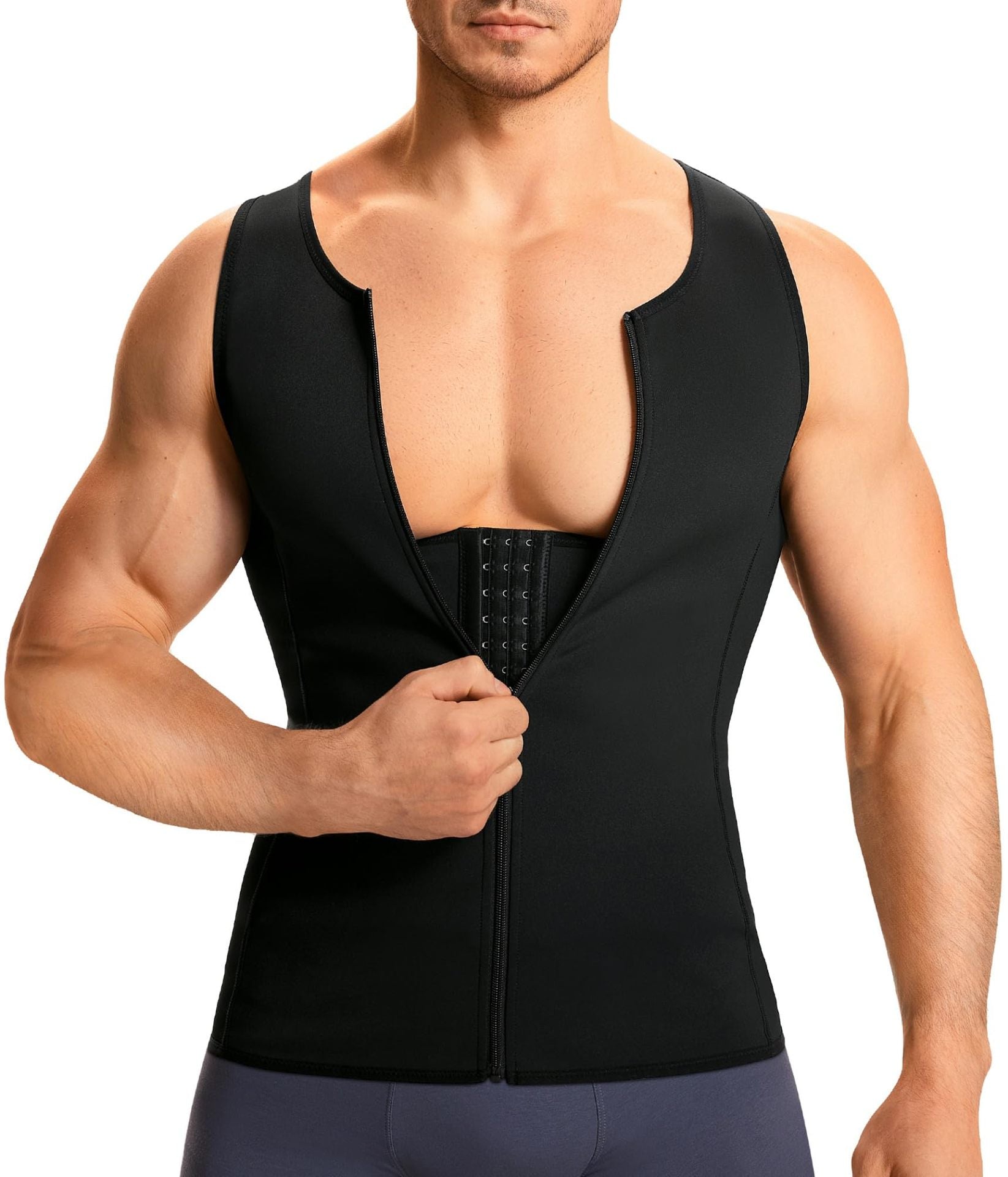
FIRM BODY SHAPER VEST |
X-FIRM ADJ HOOKS UNDERSHIRT |
|---|---|---|---|---|---|
| PRODUCT | 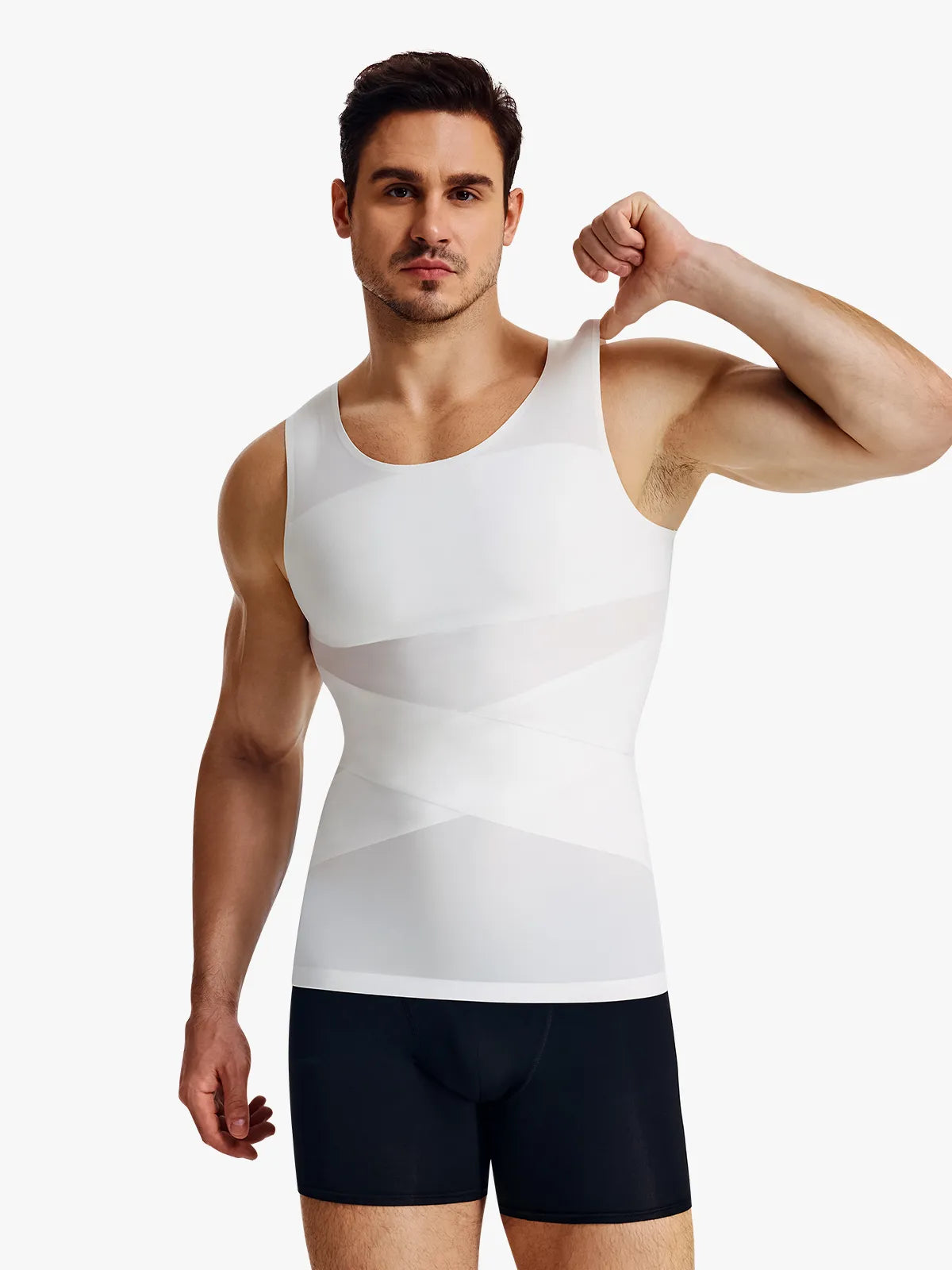 |
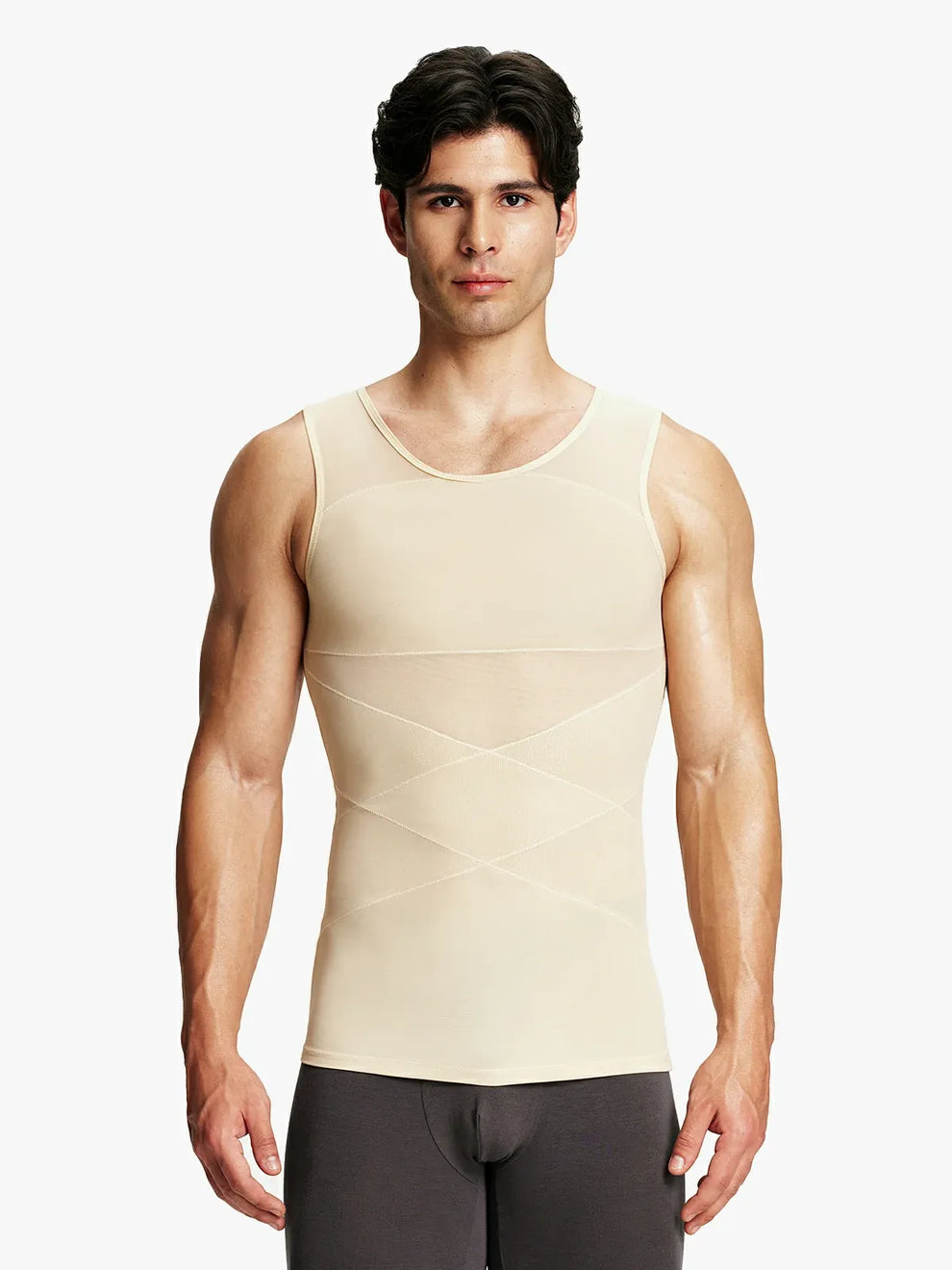 |
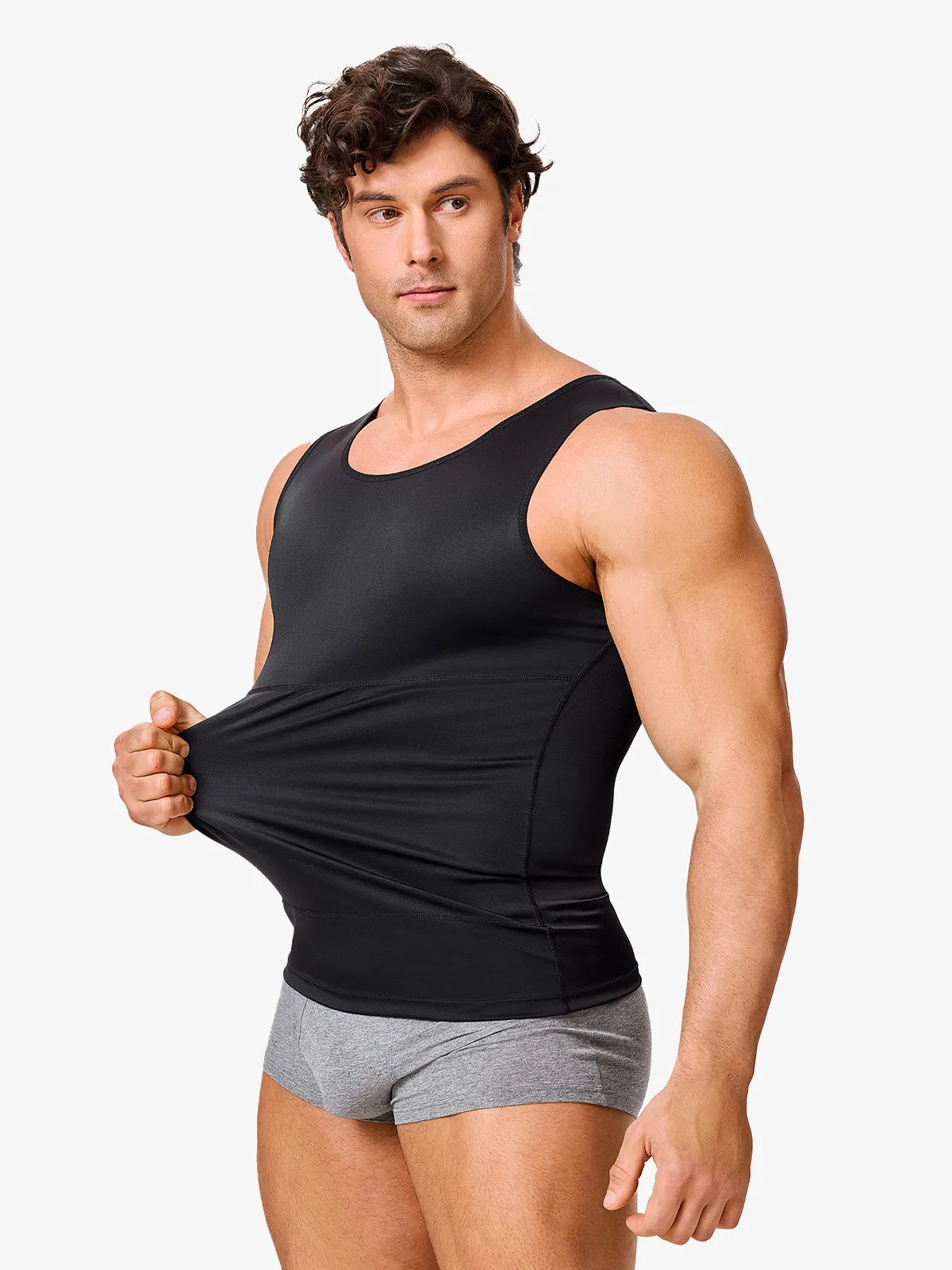 |
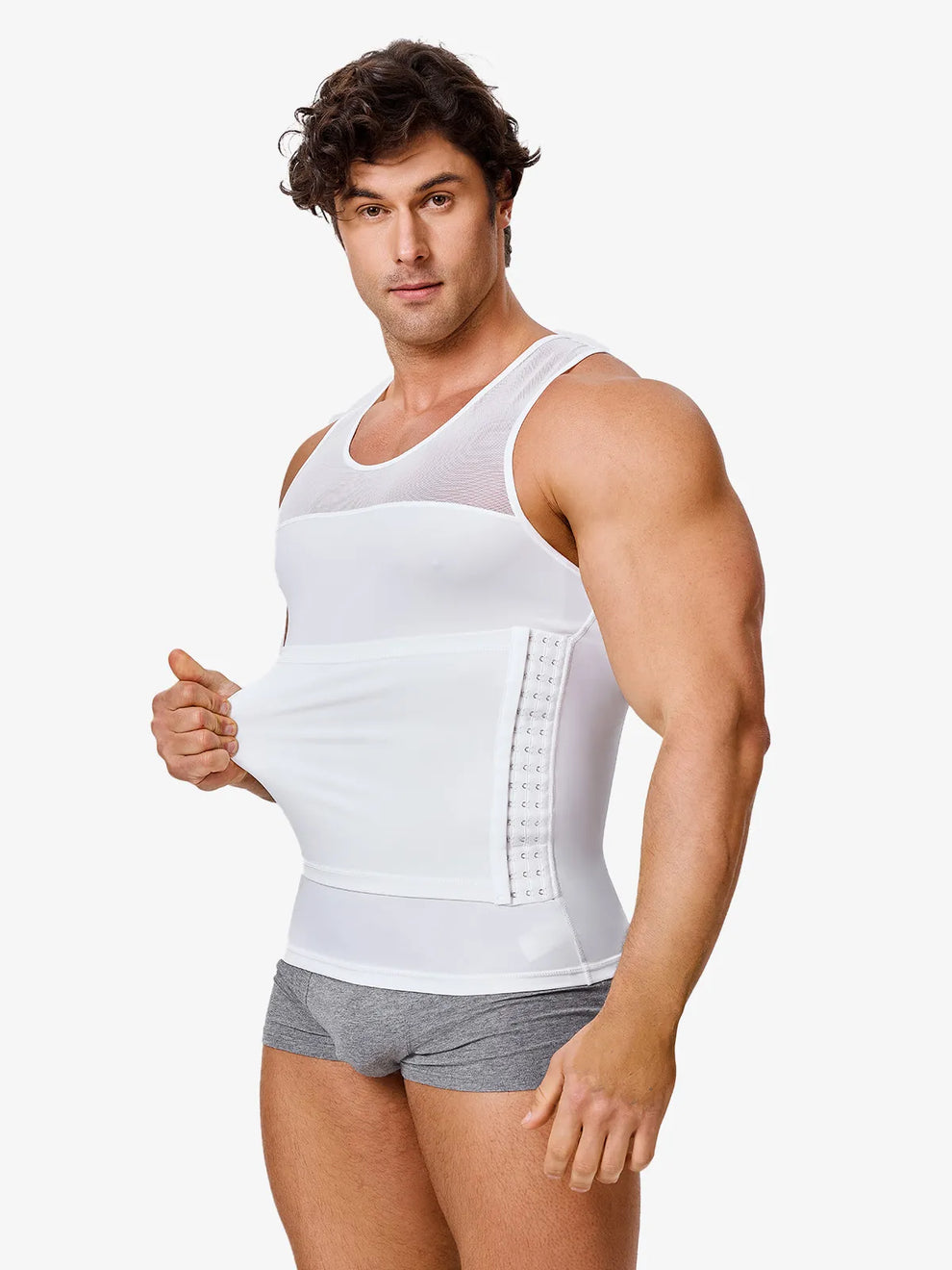 |
 |
| FEELS LIKE | A fitted cotton tee — sits against your skin without pulling inward. You'll forget you're wearing it by lunch. | A steady, even hold around your waist and sides. Posture subtly improves without trying. | A firm hug that smooths and supports. You know it's there, but you're not counting the minutes. | Your core feels locked in. Slouching becomes actively uncomfortable. Standing straight feels natural. | Maximum locked-in compression. The strongest shaping available — you feel it the moment it's on. |
| COMPRESSION LEVEL | ★☆☆☆☆ Light | ★★☆☆☆ Light-Medium | ★★★☆☆ Medium-Firm | ★★★★☆ Firm (Built-In Belt) | ★★★★★ X-Firm (Steel Bones) |
| BEST FOR | All-day desk work, first-time users, anyone who hates feeling squeezed | Everyday shaping, post-weight-loss contouring, gym sessions, most body types | Visible shaping under casual and work clothes, stronger smoothing without hardware | Stubborn belly, 100+ lbs weight loss, post-bariatric recovery, 12+ hour events | Maximum tummy control, formal events, posture correction, suits and tuxedos |
| WHY | 49% Nylon / 51% Spandex 4-way stretch seamless — second-skin feel, zero hardware, maximum invisibility | 75% Nylon / 25% Spandex open-knit mesh — breathable, light-medium compression for daily smoothing | 70% Nylon / 30% Spandex double-layer — firm elastic compression for stronger smoothing | 60% Nylon / 40% Spandex Mesh · Belt: 88% Nylon / 12% Spandex — adjustable belt for targeted control | 90% Polyester / 10% Spandex + steel bones + zipper + adjustable hooks — rigid mechanical compression |
| Shop Seamless Tank → | Shop Mesh Tank → | Shop Firm Undershirt → | Shop Body Shaper Vest → | Shop Adj Hooks Undershirt → |
What Men Actually Tell Us About Choosing Compression Levels
"Across customer support conversations, the same patterns emerge: most first-time buyers pick the wrong compression level — not because the product is bad, but because 'light, medium, high' doesn't mean much until you feel it. The most common pattern is buying high compression first, finding it too restrictive, then switching to medium — which ends up being the right level for daily wear. The second most common pattern is buying light compression on a larger frame and feeling no shaping effect at all. The 30-Pound Pattern explains both outcomes."
What to Avoid When Choosing Compression
This is the most common return reason. High compression feels restrictive after meals and during long seated periods. Start with medium — you can always go up later.
Light compression on a heavier build provides contact but no contouring. If your goal is visible waist and tummy shaping, medium or higher is the starting point.
A medium tank on a 130 lb frame feels closer to light. The same tank on a 180 lb frame feels closer to high. Your body weight shifts compression feel by roughly one full level for every ~30 lbs.
If you're looking for medical-grade compression or post-surgical recovery garments, this is not the right solution. Compression garments are designed for temporary visual smoothing during wear. For medical compression needs, consult a qualified physician.
WaistSculpt designs men's shapewear & compression for body smoothing and everyday wear. Independently reviewed.
Frequently Asked Questions About Compression Levels
Straight answers to what guys actually ask before choosing a compression level.
Choosing & Adjusting
Q: How do I know if I chose the wrong compression level?
Q: Will high compression feel uncomfortable at first?
Q: What's the best compression level for someone who's never worn shapewear?
Q: Does compression level relate to size?
Body Weight & Results
Q: Does my weight affect which compression level I should choose?
Q: Can I wear light compression and still get shaping results?
Q: How long does it take to get used to compression?
Unsure about your size? Check our Size Guide before ordering. Most returns come from sizing down — order your regular shirt size.
Continue Your Journey
Not sure which guide to read next? If you're still deciding which compression type is best for your body, start with our complete loose skin guide. If you need formal wear solutions, see our dress shirt guide. If you're a bigger guy, see our Big and Tall compression guide.

🎯 Best Compression Wear for Loose Skin After Weight Loss
Which compression type wins for loose skin — and why moderate beats max.

🤵 Best Compression for Loose Skin Under Dress Shirts & Formal Wear
Weddings, meetings, black-tie — what works under formal fabrics.

📏 Best Compression for Loose Skin for Big and Tall Men
Extended sizing up to 4XL — full-torso length, no roll-up.
What Compression Can — and Cannot — Do
Compression Can Help With
- Providing the right level of support based on your body weight and goal
- Improving clothing drape with visible shaping at medium and higher levels
- Correcting posture through firm core support at high compression levels
- Offering a range from invisible daily wear to maximum formal-event control
Compression Cannot
- Permanently tighten or restore skin elasticity
- Replace surgical or medical skin removal procedures
- Feel identical on all body types — weight and weight distribution change the experience
- Burn fat or reduce body weight while worn
Why We Wrote This
We wrote this because "light, medium, high" doesn't help anyone who's never worn compression before. We've processed enough returns and read enough customer messages to know exactly what happens when the level doesn't match the body. This guide is what we wish every first-time buyer could read before they click "add to cart."
Start With Medium If You're Unsure
Free shipping. Free returns. Most of our customers start with medium compression — enough shaping to see a difference, enough comfort to wear all day.
Explore Compression WearDiscreet packaging. Nobody knows what's inside.
Explore All Compression Guides
Browse the Loose Skin Smoothing Hub →WaistSculpt Fit Team | Updated June 2026
Compression garments are fitness and posture aids, not medical devices.
Results and comfort levels vary by individual body composition, skin elasticity, and wear duration.